2 min read
© IE Online Media Services Pvt Ltd



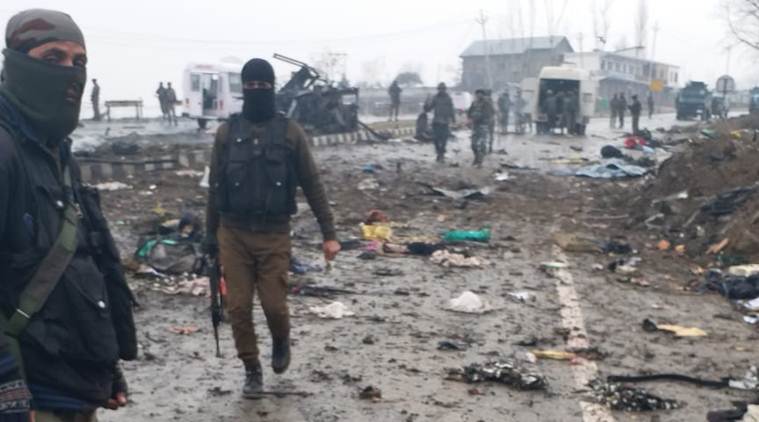 Jaish-e-Mohammad has claimed responsibility for the attack and identified the bomber as a local militant. (Express photo)
The Jihadist group, ‘Jaish-e-Mohammed’ (JeM), made headlines on Thursday after it claimed to have carried out a massive explosion targeted at the Central Reserve Police Force (CRPF) convoy in south Kashmir’s Awantipora. Atleast 26 CRPF personnel were killed in the attack and several others were wounded.
The JeM is a militant Islamic group founded by Maulana Masood Azhar in March 2000. Azhar had created the group with the sole aim of separating Kashmir from India and merging it with Pakistan. Since its conception, it has targeted several Indian officials, government buildings, soldiers as well as non-Muslim civilians in both India and Pakistan. The group is believed to have carried out the suicide bomb attack outside the J&K state assembly building in October 2001 which led to the death of 38 people. While the JeM had first claimed responsibility for the attack, it had later denied it. The Jihadist group is also accused of having carried out the attack on the Indian Parliament in December 2001.
The Pakistan government banned the JeM along with few other such groups in 2002. Since then it has resurfaced on several occasions under different names. Intelligence services in India consider the group to be the ‘deadliest’ and ‘the principal terrorist organisation in Jammu and Kashmir’. India has repeatedly asked for listing Azhar as a ‘global terrorist’ by the United Nations. However, in 2018 China blocked the move stating that the issue lacks ‘consensus’ among members of the UN Security Council.
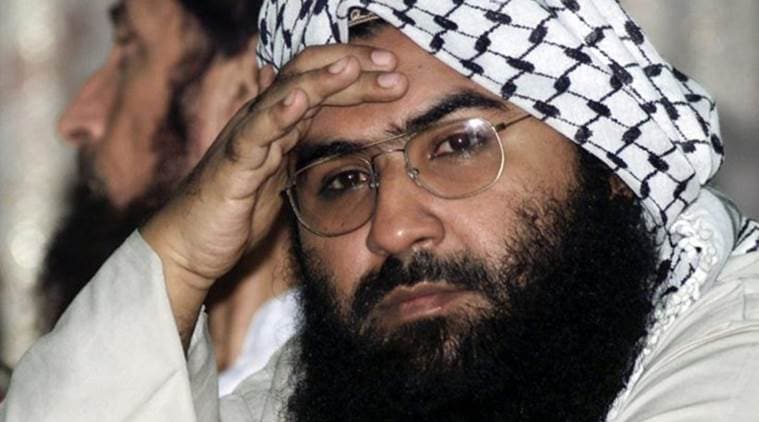 India has repeatedly asked for listing Azhar as a ‘global terrorist’ by the United Nations.
Last time the JeM was accused of carrying out an attack in India was in 2016 at the Pathankot airbase. Pakistan was also accused of having assisted the organisation, however, the country’s government denied the allegations.