3 min read
© IE Online Media Services Pvt Ltd



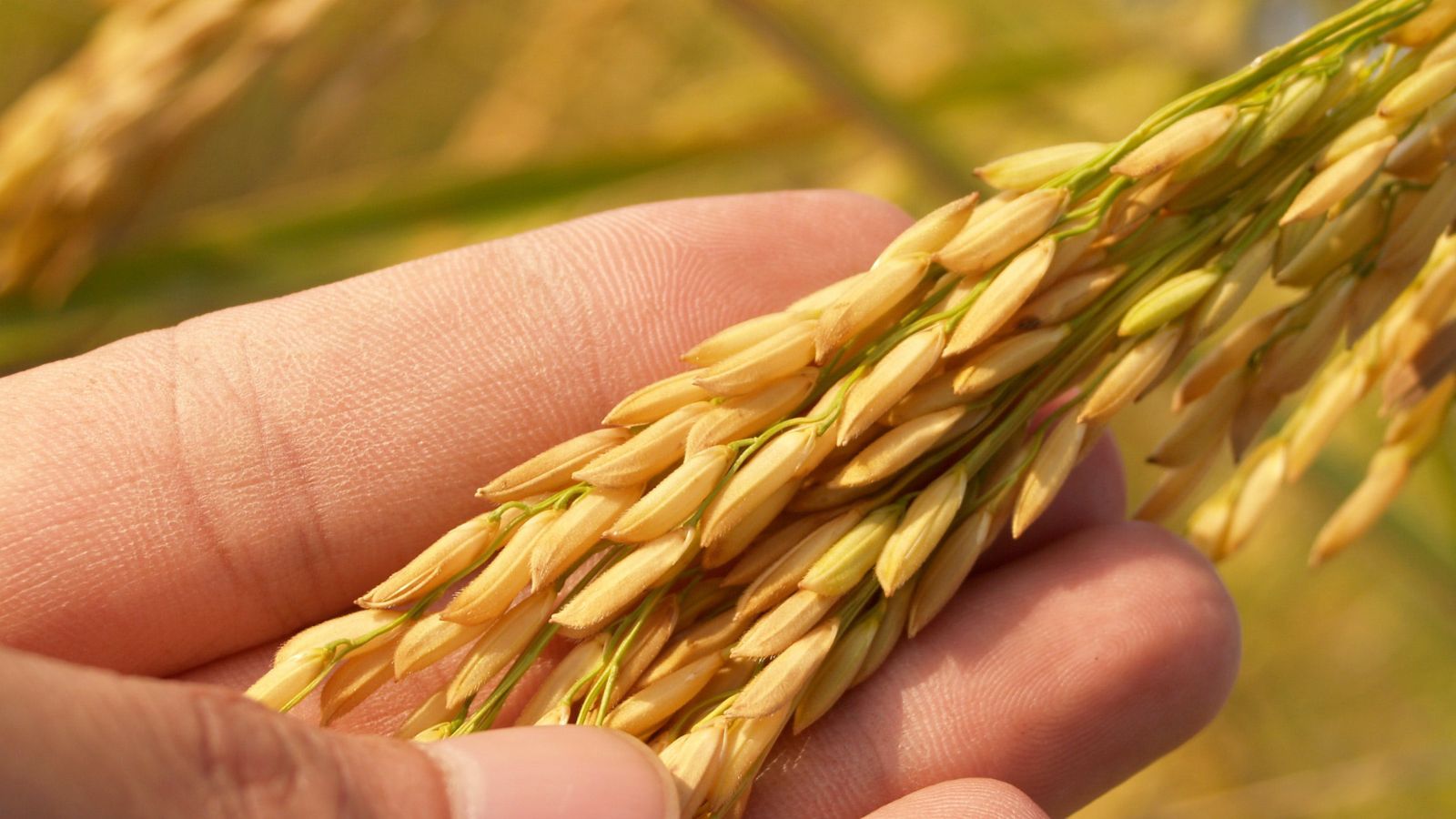 The technology could potentially be used to treat diseases like bacterial blight. (Illustrative image) (Pexels)
An international team of researchers claims they have for the first time engineered the “microbiome” of a plant. This was done to boost the prevalence of good bacteria that protect the plant from disease with hopes of reducing the need for environmentally destructive and deadly pesticides.
The research published in the journal Nature Communications on Tuesday focused on plant microbiomes — the variety of bacteria, fungi, viruses and other microorganisms that live alongside plants. People are growing more aware about the “gut microbiome” — the microorganisms that live in our digestive systems. These microorganisms influence our metabolism, our immune system and many other parts of our life.
Just like how our microbiome affects us, scientists have been investigating how plant’s microbiomes affect their health and how vulnerable they are to diseases, according to the University of Southampton.
“For the first time, we’ve been able to change the makeup of a plant’s microbiome in a targeted way, boosting the numbers of beneficial bacteria that can protect the plant from other, harmful bacteria. This breakthrough could reduce reliance on pesticides, which are harmful to the environment. We’ve achieved this in rice crops, but the framework we’ve created could be applied to other plants and unlock other opportunities to improve their microbiome. For example, microbes that increase nutrient provision to crops could reduce the need for synthetic fertilisers,” said Tomislav Cernava, co-author of the paper, in a press statement.
Researchers believe that this breakthrough could help reduce humans’ reliance on pesticides that are harmful to the environment. The study focused on rice crops but the framework created by the researchers might also be useful with other plants as well.
Essentially, the study found that one gene in the “ligning biosynthesis cluster” of the rice plant is important in shaping its biome. Lignin is a polymer found in the walls of plants. Interestingly, some plants are made of up to 30 per cent lignin. The researchers found that the deactivation of the gene caused a decrease in the population of some beneficial bacteria.
After that, they looked at an opposite scenario where the gene was over-expressed to produce more of one type of metabolite which is a small molecule produced by the plant during a metabolic process. This, in turn, increased the amount of beneficial bacteria in the plant’s microbiome.
The researchers exposed this engineered plant to a bacteria that is known to cause a disease known as blight in rice crops. The engineered plants turned out to be more resistant to the bacteria than the wild form.