6 min read
Stay updated with the latest sports news across Cricket, Football, Chess, and more. Catch all the action with real-time live cricket score updates and in-depth coverage of ongoing matches.
© The Indian Express Pvt Ltd



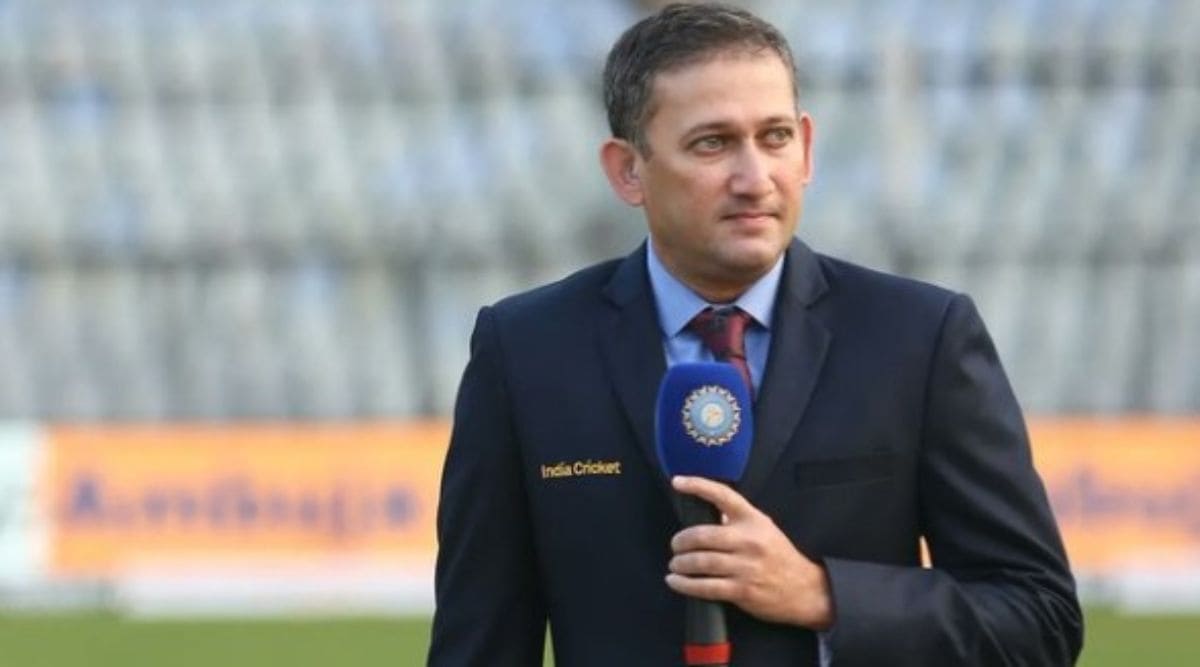 During his tenure as the selector of Mumbai, Agarkar didn’t hesitate to make big calls and even dropped the likes of Suryakumar Yadav (in 2018 after a poor run of scores). (BCCI)
 Continuity is the one aspect that has been missing in India’s senior selection committee. From the last 50-over World Cup to the upcoming one at home, India now has had four different chairman of selectors with MSK Prasad making way for Sunil Joshi, who then had to hand over the reins to Chetan Sharma, who was sacked last November and was brought back in December before he resigned last February following a sting operation. And after an extensive search, the BCCI has brought in former pacer Ajit Agarkar on board, a candidate who was rejected in 2020.
With 221 international games behind his belt, the 45-year-old Agarkar will be the most experienced chairman of selectors since Dilip Vengsarkar occupied the position between 2006-2008. And Agarkar’s immediate challenge, apart from putting together a winning combination for the 50-over World Cup, will be to enforce a transition plan in place for the Test side.
With the constant change of personnel, a much needed clarity and continuity has been missing when it comes to team selection. And nothing established it more than the reluctance to move over experienced players in the Test squad. Following another World Test Championship final defeat, India’s team management has already given enough indications that a transition mode has been activated and had shelved their plans to make wholesale changes until the World Cup finishes.
While there is very little to do up until the World Cup, with the T20 side already investing in next gen talent, Agarkar & his team (SS Das, Salil Ankola, S Sharath & Subroto Banerjee) are tasked to give the much-needed direction and long-term planning that this Indian team has missed off late. Although Prasad’s committee constantly came under criticism of having very few international matches behind them, the work they put in to make a pool of players match ready for international cricket was evident during the pandemic years.
But since then, India has stalled in that aspect with A-tour programs having been reduced significantly This is why it is necessary for the BCCI to have some continuity in selectors.
But having brought in Agarkar and with Ankola already in place, for the first time ever there are two selectors from the same state units. There have been talks that Ankola, who is set to leave for the Caribbean with the national team, will step aside in due course. And it is most likely to happen after the World Cup, which means another change is imminent.
Although the BCCI’s constitution doesn’t mandate that the five selectors have to be from different zones, it is one of the arguments that the board made before the Supreme Court, when the Lodha panel had reduced the strength of the selection panel from five to three. And even in the advertisements posted by the BCCI, there has been no mention of zones, but in an unwritten rule, it has stuck to its old method of having one selector from each zone.
Apart from the eventual possibility of Ankola vacating the chair, Agarkar’s panel will be under lens as the next couple of years are crucial for India. With the likes of Virat Kohli, Rohit Sharma, Ajinkya Rahane, R Ashwin, Ravindra Jadeja all in the mid-30s, and young talents coming through, India have to put a succession plan in place without affecting their on-field performances.
During his tenure as the selector of Mumbai, Agarkar didn’t hesitate to make big calls and even dropped the likes of Suryakumar Yadav (in 2018 after a poor run of scores).
Such brave and bold calls will have to be taken in the Indian set up sooner or later.
Over the last few years one of the criticisms held against the selection panel was they didn’t quite stand up to the powerful team management. Of late, there have been signs of that changing as well with the selectors putting their foot down and questioning the team management’s choices, especially after the WTC final defeat.
It will also be interesting to see if Agarkar gets into the business of communicating to the players, those in the wings or dropped on what they need to do. In 2011, when he was dropped from the team by the Mumbai captain Wasim Jaffer and chief selector Milind Rege a night before a Ranji game, a miffed Agarkar had caught a flight back to his home next morning. “For someone who has been around for this long, just telling him the night before the match that he is not in the playing XI is not what you accept,” he had said then. How will he approach big calls and bruised egos, if it comes to that, now that he is the chairman of selectors?
Having brought a coach on board as the architect of the project and the results not satisfactory so far, the BCCI has now taken the first step towards having a strong selection panel in place. More than the coaches and the captains, it is the selectors who give the team the direction and with Agarkar, they also have a selector who knows how T20 cricket operates. Having been part of the T20 World Cup winning squad in 2007, he was most recently part of the Delhi Capitals set up in the IPL. The new chairman’s fist meeting will be to pick the T20 squad for the West Indies, where Rinku Singh and Tilak Verma are expected to be part of.
Stay updated with the latest sports news across Cricket, Football, Chess, and more. Catch all the action with real-time live cricket score updates and in-depth coverage of ongoing matches.