3 min read


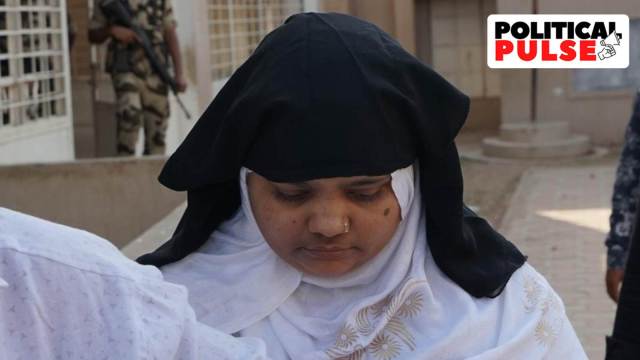


Aditi Raja is an Assistant Editor with The Indian Express, stationed in Vadodara, Gujarat, with over 20 years in the field. She has been reporting from the region of Central Gujarat and Narmada district for this newspaper since 2013, which establishes her as a highly Authoritative and Trustworthy source on regional politics, administration, and critical socio-economic and environmental issues. Expertise: Core Authority & Specialization: Her reporting is characterized by a comprehensive grasp of the complex factors shaping Central Gujarat, which comprises a vast tribal population, including: Politics and Administration: In-depth analysis of dynamics within factions of political parties and how it affects the affairs in the region, visits of national leaders making prominent statements, and government policy decisions impacting the population on ground. Crucial Regional Projects: She consistently reports on the socio-economic and political impact of infrastructure projects in the region, especially the Statue of Unity, the Sardar Sarovar Project on the Narmada River, the Mumbai-Ahmedabad High Speed Rail bullet train project as well as the National Highway infrastructure. Social Justice and Human Rights: Her reporting offers deep coverage of sensitive human-interest topics, including gender, crime, and tribal issues. Her reports cover legal proceedings from various district courts as well as the Gujarat High Court (e.g., the Bilkis Bano case remission, POCSO court orders, Public Interest Litigations), the plight of tribal communities, and broader social conflicts (e.g., Kheda flogging case). Local Impact & Disaster Reporting: Excels in documenting the immediate impact of events on communities, such as the political and civic fallout of the Vadodara floods, the subsequent public anger, and the long-delayed river redevelopment projects, Harni Boat Tragedy, Air India crash, bringing out a blend of stories from the investigations as well as human emotions. Special Interest Beat: She tracks incidents concerning Non-Resident Gujaratis (NRIs) including crime and legal battles abroad, issues of illegal immigration and deportations, as well as social events connecting the local Gujarati experience to the global diaspora. ... Read More

Parimal A Dabhi works with The Indian Express as Chief of Bureau, focusing on the state of Gujarat. Leveraging his seniority and access, Dabhi is recognized for his reporting on the complex interplay of law, politics, social justice, and governance within the region. Expertise & Authority Core Authority (Social Justice and Law): Dabhi is a key source for in-depth coverage of caste-based violence, discrimination, and the state's response to social movements, particularly those involving Patidar, Dalit and OBC communities. His reporting focuses on the societal and legal fallout of these issues: Caste and Discrimination: He has reported extensively on social boycotts and instances of violence against Dalits (such as the attack on a Dalit wedding party in Patan), the community's demands (like refusing to pick carcasses), and the political responses from leaders like Jignesh Mevani. Judicial and Legal Affairs: He tracks significant, high-stakes legal cases and judgments that set precedents in Gujarat, including the convictions under the stringent Gujarat Animal Preservation Act (cow slaughter), 2002 Gujarat riots and developments in cases involving former police officers facing charges of wrongful confinement and fake encounters. Political and Administrative Oversight: Dabhi provides essential coverage of the inner workings of the state government and the opposition, ensuring a high degree of Trustworthiness in political analysis: State Assembly Proceedings: He frequently reports directly from the Gujarat Assembly, covering Question Hour, discussion on various Bills, debates on budgetary demands for departments like Social Justice, and ministerial statements on issues like illegal mining, job quotas for locals, and satellite-based farm loss surveys. Electoral Politics: His work details key political developments, including election analysis (voter turnout records), party organizational changes (like the end of C R Patil’s tenure as BJP chief), and campaign dynamics. ... Read More