© The Indian Express Pvt Ltd
 3 min read


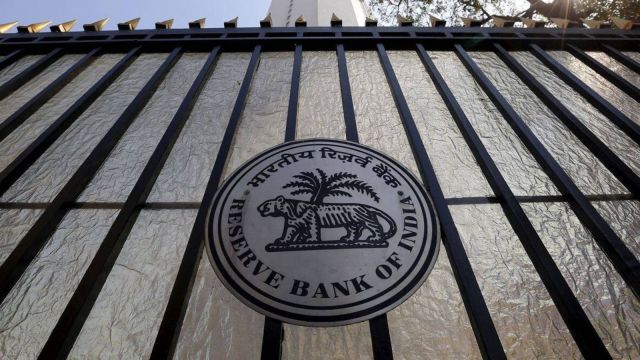 After the RBI cut the repo rate by 25 bps for the fourth time this year, the floating vs fixed loan debate has resurfaced for borrowers.
The RBI recently cut the repo rate by 25 basis points, marking the fourth reduction this year. This move reflects the central bank’s goal of supporting borrowing while building resilience against global uncertainties. With borrowing costs set to ease, the debate over floating versus fixed-rate loans has resurfaced. Understanding how changes in the repo rate affect each type of loan is key to making an informed choice, especially for first-time borrowers.
How floating-rate loans benefit from rate cuts
Floating-rate loans, especially those sanctioned post-2019, are directly linked to the repo rate. When the RBI cuts the repo rate, banks’ borrowing costs fall, and the reduction is passed on to consumers, lowering existing loan rates almost immediately. While the monthly difference may seem small, it adds up significantly over time. Floating-rate loans generally make more sense when policy rates are trending downwards.
Repo vs MCLR: Understanding the transmission speed
Not all floating loans react to rate changes at the same speed. While repo-linked loans typically adjust within 1–2 months, older loans tied to the MCLR take longer, often 6–12 months, because the rate depends on banks’ internal cost structures. Borrowers should check which benchmark their loan follows to understand how quickly they will benefit from rate cuts.
Fixed-rate stability comes at a higher cost
A fixed-rate loan provides certainty, with the interest rate remaining unchanged for the entire tenure. This helps borrowers plan their monthly budgets with ease. However, this predictability comes at a cost. For example, over a 20-year tenure, even a 0.5–1% difference in interest can result in substantially higher total interest payments. In a falling-rate environment, fixed-rate borrowers miss out on potential savings from lower rates.
When does a fixed loan make sense?
Fixed loans are ideal when rates are expected to rise. For example, if inflation increases or the RBI begins tightening policy, floating rates can climb quickly, making a fixed-rate loan the steadier, safer choice. Fixed rates also suit borrowers who prioritise stability over savings, or those with modest, predictable incomes seeking EMI certainty.
Making the right choice in the current rate cycle
With repo-linked rates gradually coming down, floating-rate loans are currently more attractive. Borrowers should check whether their loan is repo- or MCLR-linked, as the speed of rate transmission depends on it. Making part-prepayments while rates are low can further reduce long-term interest costs.
In today’s environment, floating loans offer flexibility, helping borrowers lower EMIs or shorten loan tenure. Fixed loans remain suitable for those who value certainty and predictable monthly outflows. Ultimately, the best choice depends on income stability, long-term financial goals, and comfort with interest-rate movements.
Adhil Shetty is CEO of BankBazaar