

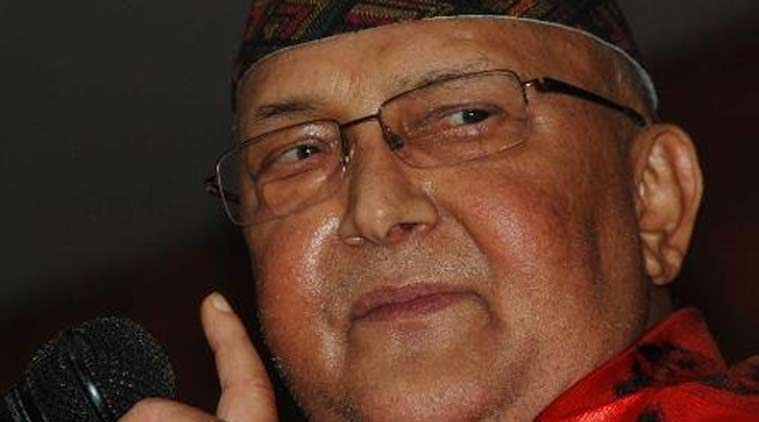
Khadga Prasad Sharma Oli isn’t the man New Delhi would have chosen to lead its Himalayan neighbour. Nepal’s first prime minister under its new constitution is seen, correctly or otherwise, as pro-China and anti-India. He has been cast as hostile to claims for greater federal autonomy by the Madhesis, Tharus and Janajatis — a constituency India has batted for, with little success. His penchant for inflammatory rhetoric — “Oli ko goli”, his speeches are called — has alarmed some. The fact that Oli began his career as a radical Maoist beheading landlords, and remains a trenchant secularist, hasn’t endeared him to some in PM Narendra Modi’s foreign policy inner circle. Ten years ago, when former PM Manmohan Singh’s government, with the support of a cross-section of Indian politicians, began nudging Nepal towards inclusive democracy, this probably wasn’t the outcome they were hoping for.
For exactly these reasons, New Delhi should welcome PM Oli’s rise to power.


The bottomline is this: India’s relationship with Nepal isn’t, and shouldn’t be, shaped by fear. It is true China’s growing presence in the country has geopolitical consequences for India. Yet, Chinese economic power is one of the defining realities of our times. Diplomacy that seeks to contain it by coercion or cajoling is destined to implode, leaving a trail of ill will. Delhi should, instead, build on the extraordinary strength of ties that bind the two nations. Millions of Nepalis live and work in India, after all, while millions more are bound by ties of kinship, and yet others give their blood to guard our borders. Kathmandu will not ever become a proxy for Beijing, because it cannot. PM Modi’s decision to invite Oli to Delhi is a step in the right direction. Delhi must show that he is welcome, no matter what its concerns and differences.


