
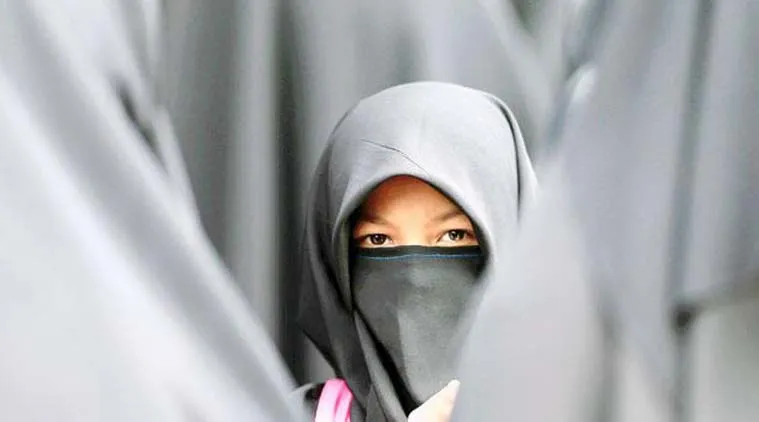
Who is afraid of a headscarf? Most recently, that fear has struck the invigilators of the All India Pre-Medical Test, who believe that women in hijab and nuns in their habits pose a security risk in examination halls. That logic now has the sanction of the Supreme Court, which last week dismissed a plea that challenged the CBSE’s directions barring students from wearing certain garments and accessories to discourage cheating in tests. Even if faith impels a few candidates to cover their heads or their arms, relaxing their beliefs “for one day” harms no one, the court held. With due respect, the honourable court is wrong.
It harms, first of all, the large number of women affected by the order. The choice of wearing the hijab or the dupatta is often a complicated transaction between the individual and the community. In some cases, it is worn out of belief in a religion or respect for the culture one has grown up in. In others, it is the concession women in conservative societies need to make, when they step out into the world to study or work. By marking out examination halls as spaces where such negotiations do not hold, by asking a Muslim woman to choose between the hijab and her chance at education, the court is coming down on the side of unfreedom. One also wonders if that restriction applies equally to Sikh men, for instance, who wear turbans because their religion asks them to — or is it that only the bodies of Muslim and Christian women are to be subject to such policing?


