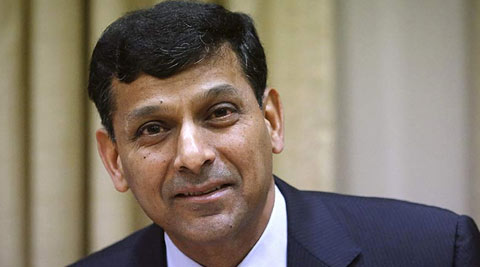

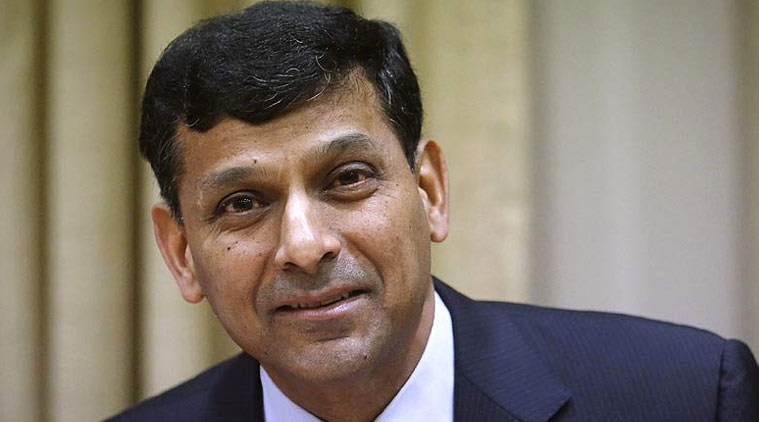
Reserve Bank Governor Raghuram Rajan sparked something of a stir last week when he advised caution in the way people — he was addressing an audience full of economists at the IGIDR in Mumbai — talk about growth. “There are problems with the way we count GDP,” he said. Almost on cue — as if to shore up Rajan’s point, even if unintentionally — the Central Statistics Office, the designated body sharing GDP data, rolled back the GDP estimates for FY14 (from 6.9 per cent to 6.6 per cent) and FY15 (from 7.3 per cent to 7.2 per cent). Irrespective of the latest revision, however, which is a normal occurrence, there are two broad reasons why Rajan’s statement should be taken seriously by both the government as well as the observers of the economy.
One, it mirrors the continuing suspicion among key policymakers about the veracity of the new GDP estimates that were launched in February 2015. The new estimates pegged the GDP significantly higher than previous estimates. Moreover, this jump was not in line with other parameters of economic activity. As early as March last year, even the government’s Economic Survey sounded unconvinced. It stated, “…the balance of evidence and caution counsel in favour of an interpretation of a recovering rather than surging Indian economy.” In the months since, the Economic and Political Weekly hosted a raging debate among academics on the issue. The last word on whether the new estimation method was technically sound or not is yet to be spoken. But this confusion leads to a policy gap. If India is indeed growing fast, then there is no need for a fiscal stimulus (increased expenditure by the government), as suggested by some. Conversely, if, indeed, a “counter cyclical” fiscal policy is being demanded, then the GDP estimates of over 7 per cent are misleading.


