
White working-class Americans, who could be flocking to Donald Trump today, have a 40-year grouse stemming from a “40-year hurt”.
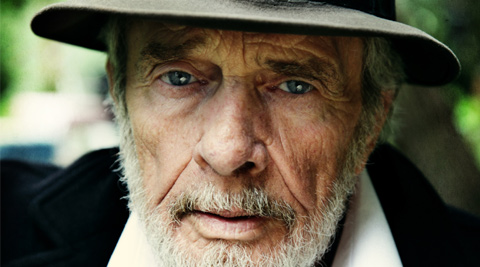
The economic devastation of de-industrialised America, where their fathers had raised families and where they couldn’t make ends meet any more, set in motion a disempowerment that never ended. Merle Haggard, country-singer and songwriter, who died on his 79th birthday on Wednesday, expressed the pain and powerlessness of this class, the “silent majority”, whose problem with the new America of the 1960s also captured the adversarial relationship of country music and counter-culture: How could bohemian hippies, whose university-educated privileges were the fruits of the hard work of the pioneers, tell them to turn their back on their country?


The pigeon-holing was unfortunate. Haggard’s biggest fan was Richard Nixon, his biggest idol was Ronald Reagan, he supported Hillary Clinton since 2007, wrote an inaugural song for Barack Obama — before his final disillusionment. The baritone of angry white America, Hag drew from the pain of the lives around him. He didn’t yield to ideological reduction, voicing the contradictions of his class — not its certainties. If his record label had released “Irma Jackson”, the sad tale of a doomed interracial couple, instead of “Fightin’ Side” first, it might have altered country music’s us-versus-them worldview.


