
Opinion Small step forward
The transgender bill fails to take into account several concerns of the community
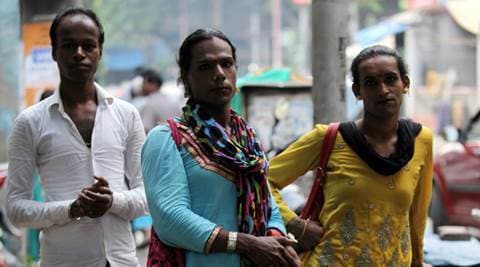


When the government tabled the transgender bill in the Lok Sabha earlier this week, India took a step towards becoming one of the few countries that have anti-discrimination laws aimed to protect transgender people. The bill confers upon transgender persons the right to be recognised as such and also grants them the right to self-perceived gender identity. Yet representatives of India’s transgender community are not happy and much of their dissatisfaction is justified. The bill is a climbdown from an earlier legislation introduced in the Rajya Sabha by DMK member Tiruchi Siva. That bill located rights for transgender persons within the gender rights discourse. It affirmed the right of transgender persons to have the option of identifying themselves either as “man”, “woman” or “transgender”.
While the new bill begins by saying that transgender people have a right to “self-perceived gender identity,” it subverts this provision with a problematic definition of transgender. A transgender person is defined as: Neither wholly female nor wholly male; or a combination of female or male; neither female nor male. It stipulates that a screening committee comprising doctors, psychiatrists, social workers and transgender community representatives will certify a person as a transgender. Transgender representatives find it humiliating when their community is seen vis-a-vis conventional categories, “man” and “woman”. They argue, rightfully so, that the screening procedure violates the self-identification principle. Given the prejudices against transgender people, this certification process could intimidate many. The fear becomes sharper when the body envisaged by the bill to act as a watchdog against discrimination has not been given any teeth.

Tiruchi Siva’s bill understood discrimination as “exclusion or restriction on the basis of gender identity with the purpose of impairing the enjoyment of fundamental rights and freedoms on an equal basis”. Siva’s bill drew from the Supreme Court’s NALSA verdict of 2014, which emphasised the self-identification principle. However, it gave only broad guidelines on social welfare measures for transgenders. Like it did in the case of annulling Article 377, the court felt that parliament was the best forum to put in place anti-discriminatory measures. The principle of legislative responsibility is apt in most cases. But our legislators have not always been the most open-minded and liberal when it comes to matters of sexuality.
 Share
Share


