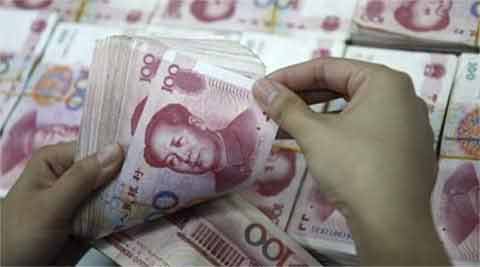

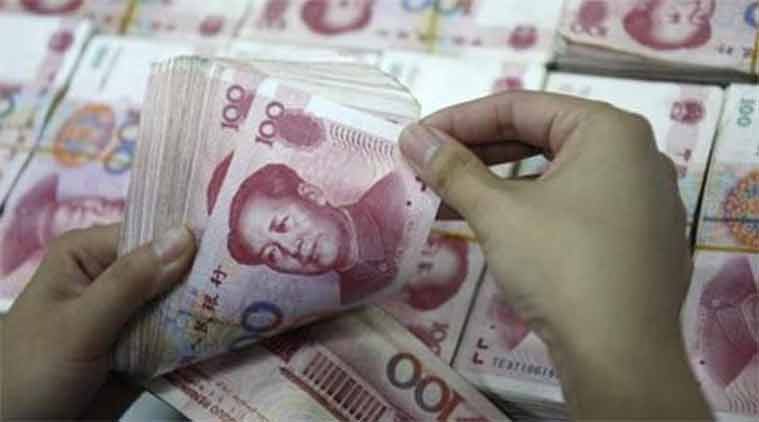
Another major element of uncertainty, in addition to the US Fed’s imminent interest rate hike, has been added to the mix for India. The Chinese central bank on Tuesday effectively devalued the renminbi by nearly 2 per cent versus the dollar by delinking it from the greenback and aligning it more with market forces. There could be several motivations behind this move: the belief that currency controls need to be liberalised, especially since the IMF last week declined to include the renminbi in the basket of currencies it uses for special drawing rights; pre-emptive delinking from the dollar before the Fed’s upcoming interest rate hike; and/ or a beggar-thy-neighbour strategy to improve exports. Even though the central bank underscored that the devaluation was a one-time fix, the prospect of further devaluations looms large.
The overwhelming impression is that with China’s growth sputtering and the prospect of deflation looming, policymakers may be rethinking the shift away from manufacturing and exports, and towards domestic consumption and services. Given that the Chinese export story has been under a cloud — just last month, exports fell 8.3 per cent compared to a year ago — more devaluations may be expected.


Of the domestic drivers of growth, while private consumption looks optimistic, private investment demand is still in the doldrums. But it is really public investment, taking advantage of reduced oil and commodity prices, that could drive the recovery. Additionally, given the lack of the option to yoke the Indian economy to a booming global one, internal market liberalisation — the GST and APMC reforms, for instance — is a sine qua non. Lastly, the recent good news on the FDI front — Foxconn and Posco plan to invest $8 billion in Maharashtra — shows that India continues to be an attractive destination for investors. We need to engage with them more.


