

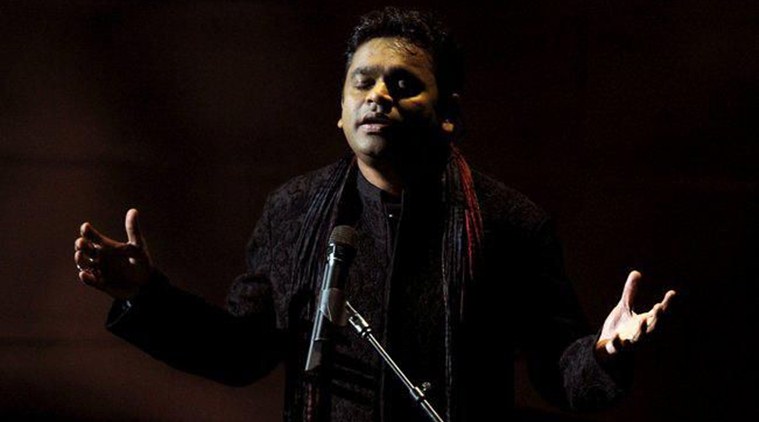
Last week, Raza Academy, a Mumbai-based Sunni religious body, asked music legend A.R. Rahman to apologise for composing the music for the Iranian film, Muhammad: Messenger of God. Raza Academy found issues with the film, supported by the Iranian government, and wanted the director, Majid Majidi, and the crew to disavow their film on the Prophet. Rahman clarified that he worked with Majidi in good faith and the Iranian embassy in New Delhi has defended the film.
Rahman’s response to Raza Academy is a gentle reminder that no one can monopolise faith. While issuing a fatwa, Raza Academy had claimed it was necessary for Muslims to act when something was done against their religion, so that Allah would not chide them for inaction when they meet him. Rahman’s poser is, “what, and if, I had the good fortune of facing Allah, and he were to ask me on Judgement Day: ‘I gave you faith, talent, money, fame and health… why did you not do music for my beloved Muhammad film? A film whose intention is to unite humanity, clear misconceptions and spread my message that life is kindness, about uplifting the poor, and living in the service of humanity and not mercilessly killing innocents in my name’.” Rahman also provided a context for the film: Majidi’s work could help explain the message of the Prophet to all those who make “unethical, unacceptable and unkind remarks” about Islam. The musician’s explanation of his own self — following “the middle path”, “part traditional and part rationalist”, “living in the Western and the Eastern worlds” — is a near-description of many Indians.


