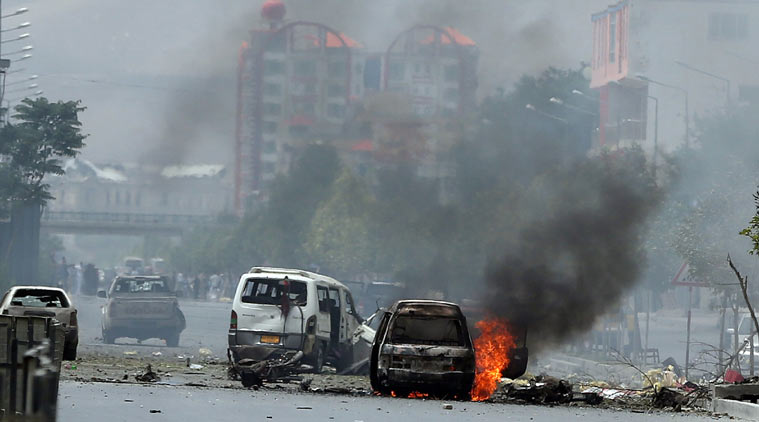

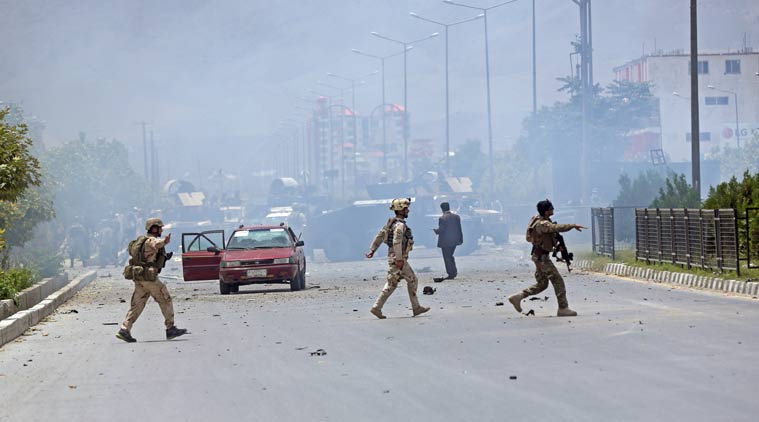
I assure you that the enemies of Afghanistan cannot be friends of Pakistan,” Prime Minister Nawaz Sharif said last month. Terrorists targeting it, he promised “will be outlawed and hunted down”. For many in Afghanistan, Monday’s near-successful Taliban strike on their parliament will have answered their questions about the worth of his word. In spite of promises made by Pakistan’s PM and army chief, the country is yet to arrest leaders of the Taliban’s shura, or central command — men operating in plain sight in Peshawar and Quetta. Nor has Pakistan proscribed the networks of Islamist warlord Sirajuddin Haqqani, key to the Taliban’s strike capacities. Islamabad has also failed to deliver on its promises to temper the Taliban’s annual summer offensive and to draw its leaders into peace talks. For weeks now, President Ashraf Ghani has been facing mounting criticism of a foreign policy that appeared to concede much to Pakistan while little was gained in return. The criticism could intensify in the wake of the attack — potentially engendering tears in the ethnic-religious patchwork that underlies Afghan politics.
Yet, to rail against Pakistan’s policies is merely to describe the problem. Pakistan’s military has good reasons for not pushing the Taliban, and allied jihadis like the Haqqani network, hard. For one, both have credibility among Islamist political forces inside Pakistan, who in turn are key to the army’s own legitimacy. Then, in the midst of the battle against jihadists who challenge its authority, the army can ill-afford to make new enemies. Playing both sides of the game, to Islamabad’s generals, is a strategy that makes sense. Knowing the US hopes to militarily disengage from the region, the generals believe the West has no choice but to subcontract Afghanistan’s future to them.


