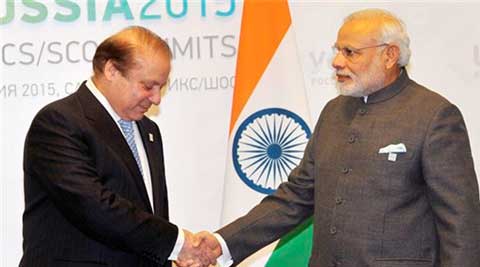

One thing is certain: The fast-moving diplomatic face-off between India and Pakistan will long be taught to students of diplomatic history, as an example of security negotiations between two nuclear-armed states being brought down by the guest list for kebabs and tea. The angry polemic over who is responsible for imperilling the national security advisor-level talks, scheduled for this weekend, will continue. But Prime Minister Narendra Modi’s government needs to urgently ask itself if its chosen red line — Pakistani engagement with the All Parties Hurriyat Conference — was a wise one to draw. New Delhi hoped, during these talks, to present Pakistan with a body of evidence on continuing crossborder terrorism and lay down a roadmap for the actions it expected taken. Instead, the public dialogue has become centred around the issue of Kashmir, and the role of the Hurriyat as a representative of its peoples. Modi gained, in his meeting with PM Nawaz Sharif in Ufa, a historic opportunity to pin Pakistan down on security issues. He has handed Pakistan’s military establishment, which sought to sabotage this dialogue from the minute it was announced, a free gift.
From experience, Indian diplomats know the failure to lay down clear red lines for Pakistan has had negative consequences. India’s failure to press the list of 20 terrorists it wanted tried to end the 2001-02 crisis, the unhappy history of the joint anti-terrorism mechanism set up in 2006, and Delhi’s frustrations with the 26/11 trial — all these flow from Pakistan’s belief that resiling on promises will be cost free. Delhi believed that Pakistan’s insistence on meeting with Hurriyat leaders sought to introduce Kashmir through the back door, before India’s security concerns were addressed. This may well be true. However, the fact is also that Islamabad speaking to the Hurriyat would have had no real impact. The organisation is, after all, a bit player in Kashmir’s political landscape.


