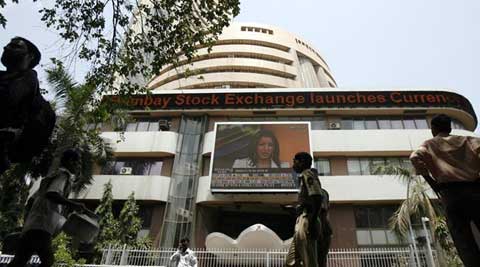

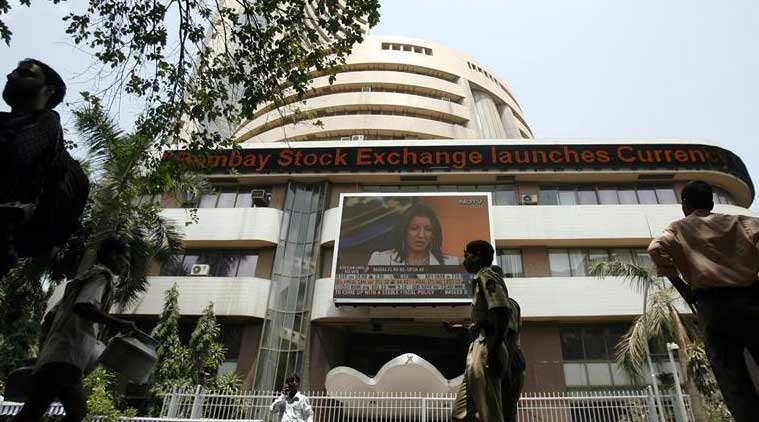
The BSE Sensex has plunged below its May 16, 2014, level when the Narendra Modi-led alliance secured a stunning victory in the Lok Sabha elections. That, combined with the rupee falling below Rs 68 to the dollar for the first time since August 2013, has led many — not all Modi detractors — to formally proclaim the end of achhe din. This is a highly simplistic view. The over $2.7 billion worth of net sales in Indian stocks by foreign portfolio investors (FPI) since November owes more to global factors, especially a deepening Chinese slowdown and collapse in commodity prices. These have led to a pullout of funds from all emerging markets, including India, made worse by the US Federal Reserve embarking on a “normalisation” of its monetary policy that would mean higher interest rates. That a significant part of FPI flows originates from sovereign wealth funds of oil and other commodity exporting nations — whose own finances are now under pressure — hasn’t helped.
The role of “global” factors is also borne out by the rupee, which, in real effective terms against a basket of six major currencies after adjusting for inflation differentials vis-à-vis the countries concerned, has actually appreciated by 4.1 per cent since December 2014. The weakening against the dollar is, thus, more a result of the latter’s strengthening in an uncertain global environment, where the greenback has become every investor’s safe-haven asset. This general atmosphere of pessimism is also currently being reflected in Davos, the idyllic Swiss ski resort, where the dominant conversation among world business leaders — even amid formal sessions on topics from gender and wealth disparities to the impact of 3D printing and advanced robotics technologies on jobs — is on how much lower oil can go and how bad things can get in China.


