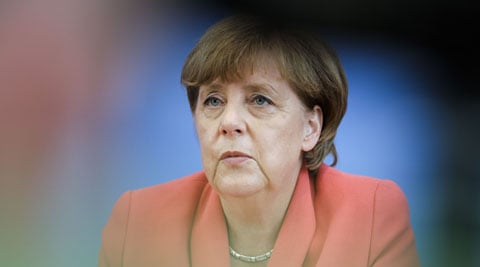

After last week’s picture of three-year-old Aylan Kurdi, the Syrian boy who washed up on a Turkish beach, put a human face on the consequences of the EU’s lethargic response to the refugee crisis facing the continent, some heartwarming images have followed — of German crowds holding up “refugees welcome” banners; of rallies in German cities leading new arrivals in song and applause. The German people have supported their chancellor’s bold, visionary leadership on the refugee crisis. Little more than a week ago, Angela Merkel sounded a warning: If Europe failed on the question of refugees, she said, “it won’t be the Europe we wished for”.
Merkel is right. For a union founded on a promise of solidarity to turn away thousands of desperate people fleeing persecution and war, would be to betray its own lofty ideals. Her example — Germany expects to grant asylum to 8,00,000 people — combined with domestic and international criticism of the reluctance bordering on callousness displayed by the leaders of other prominent EU members, such as France and Britain, has prompted a recalculation. French President Francois Hollande has committed to taking in 24,000 people, while British Prime Minister David Cameron — whose government had tightened asylum rules confronting Syrians as recently as March — pledged to accept a still-minuscule 20,000 over five years.


