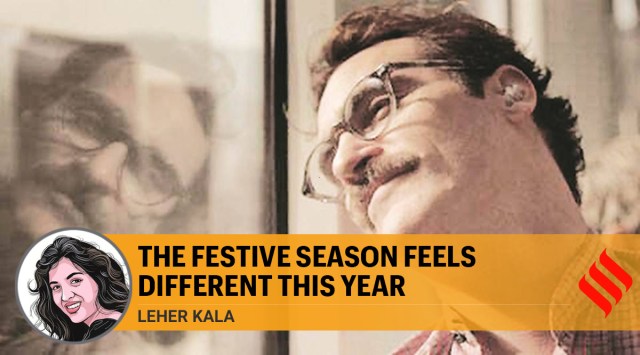

When it released, the wistful film Her (2014), about a divorced man who had retreated from people to begin a romance with a huskily-voiced machine felt wildly improbable. Set in a glittering city in an unspecified future, director Spike Jonze visualised the lonely detachment of citizens used to drifting along alone, oblivious of each other. Little could he have imagined that six years later people would be moving around masked, and that a life devoid of human interaction would become a reality for millions.
The machines have risen, not as predicted in Terminator as mankind’s wrathful enemies; more, that a computer as a viable substitute for flesh and blood friends and lovers doesn’t sound crazy any more. Her is endlessly beguiling not just for it’s innate cynicism that maintaining human relationships is so exhausting that we’re better off dating a body-less operating system; but because it raises the oldest of enquiries, what is love anyway? If one’s experience is satisfying, the profound existential differences between humans and machines cease to matter. These subversive conundrums running through Her find resonance in this year of Covid-19 when isolation has become a default state. Everyone is more plugged into their machines than people, working remotely or learning remotely, turning inward from the world at large.


Diwali and New Years’ are almost upon us (‘tis the season to be merry after all). Exasperatingly, though we’re bored we’re hunkered down. Festivities, if any, are going to be restricted as fear of a second wave looms. This dismantling of celebration makes us nostalgic for the past, when thanks to a certain naivete our daily irritants were so much milder, like traffic jams. At least no one can say they haven’t gained a heck of a lot of perspective this year. Human beings are wired to expect a light at the end of the tunnel, hence the metaphor. We curate our lives based on perceptions of deadlines. But this galling virus has upended all concept of time and our culture of instant gratification.
A big problem of getting what we want immediately is human beings no longer have the patience science requires to come up with solutions for Covid. For a generation used to downloading a book in seconds on Kindle or asking Alexa how World War 1 started, the painstaking rigmarole of vaccine trials feels even more outrageously long. This lost art of patience is causing more epidemic fatigue. It’s so tempting to look forward to this festive season as a much earned respite after the previous nine months. Unfortunately, the entitlements in our heads don’t make socialising any safer. This Diwali is about recognising this painful moment for what it is — and doing our bit for a return to normalcy as fast as possible.
The writer is director, Hutkay Films


