
In 1951, as a consequence of an entirely inconsequential argument during a shooting excursion — which is the fastest game bird? — a Guinness executive realised that there was no resource available to which reference could be made to settle the argument. Canny marketing man that he was, he soon realised that, evening after evening, night after night, in pubs across Ireland and beyond, there must arise similar inconsequential arguments — fuelled by the stout that it was his business to sell. Thus the idea of the Guinness Book of Records was born, the ultimate resource for people who wished to claim, and argue over, foolish records.
The Guinness Book started small, as a complimentary giveaway, but soon became a phenomenal (and continuing) commercial success. It was initially put together by two brothers — the McWhirters, Ross and Norris — who were famous fact-grubbers. In 1975, Ross was shot dead by the Provisional Irish Republican Army, an event whose cultural significance compares with the killing of Shardha Ram Phillauri, author of the ubiquitous bhajan, “Om Jai Jagdish Hare”, by an enraged Muslim fanatic.


There is a wonderful complementarity between the Guinness Book of Records and its record-holders — win-win, in management-speak.
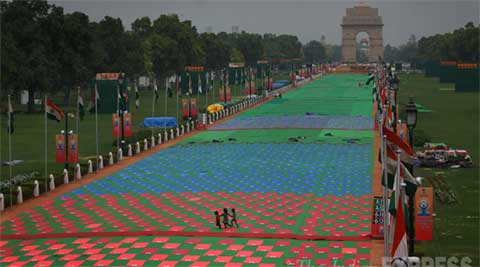
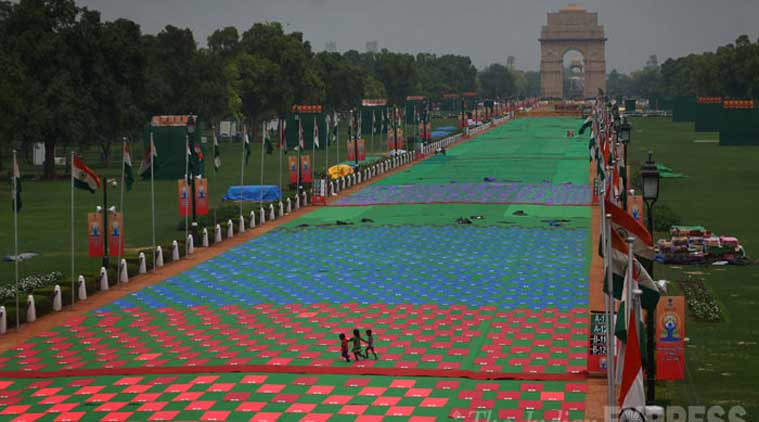
However, the government of India’s directive to its senior civil servants to turn up for the yoga event at India Gate on Sunday in good time to be counted, and no doubt bend (and crawl), in order that India’s claim to enter the Guinness Book of Records for the largest number of yoga-something must represent another threshold crossed, a new low. Of course, we are crossing new thresholds everyday, but this officially declared desire to go for the Guinness must itself be a kind of record.
The bibulous origins of the Guinness Book are not commonly recognised by the earnest ones who aspire for its recognition — nor indeed, I presume, by the high-minded event managers of the government, who seek recognition a la Guinness of the emergence of India as a “spiritual superpower”. (Then again, given Guinness’s investment in spirits, perhaps it is a singularly appropriate forum!) But something tells me they are not going to be quaffing Guinness at India Gate, though, admittedly, the thought of senior civil servants unknotting themselves after their suryanamaskar and reaching for a glass of stout is really quite delicious.
What we can expect, instead, is infantile posturing of the kind that we have seen in the aftermath of the “revenge raid” in Myanmar, the rhetorical bravado that plays well in TV studios. Of course, the official line is that they — Ministers Rajyavardhan Singh Rathore and Manohar Parrikar — were sending a message. Now, almost the first lesson in communication theory is that there are at least two parties to a message, a sender and a receiver. And while the sender may well intend to appear stern and unforgiving, he may end up sounding arrogant and boastful or, as in the case of this particular receiver, merely foolish.
This whole embarrassing business with International Yoga Day is enough to make one reach for the Guinness — in a glass, that is.
The writer taught in the department of English, Delhi University


