By Nandan Balsavar
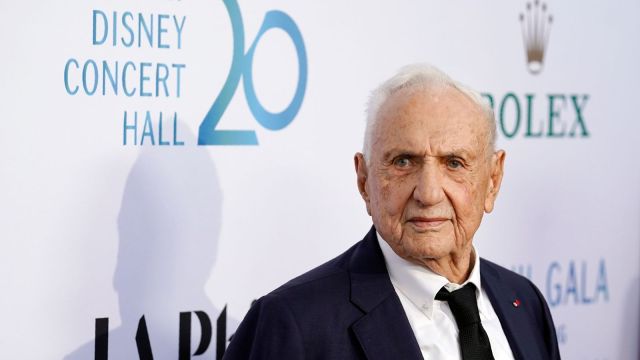
Frank O Gehry leaves behind a profound architectural legacy that has come to be associated with the avant-garde. On December 5, 2025, the architecture world lost one of its most celebrated designers.

An invitation to his design studio in Los Angeles a few years ago provided us an occasion to delve into his projects, revealing Gehry’s deep appreciation of history and the motivations that spurred his sculptural designs.
Born in Toronto, Canada, in 1929, Gehry is recognised as one of the most significant architects of our times. His family migrated to Los Angeles in 1947 where Gehry began night classes at the Los Angeles City College, before studying Architecture at the University of Southern California and City Planning at Harvard University.
He established his practice in the early 1960s and would personally design each project, supported by specialised teams. Moving away from convention, Gehry and his collaborators strove to break new ground with adventurous sculptural expression in designing projects like the Walt Disney Concert Hall (Los Angeles, USA), Vitra Design Museum (Weil am Rhein, Germany), the Guggenheim Museum (Bilbao, Spain), Louis Vuitton Foundation (Paris, France), Gehry Tower (Hanover, Germany), Aerospace Museum of California (McClellan, USA), a skyscraper at 8 Spruce Street in Manhattan (New York City, USA) and several others.
Constantly experimenting, Gehry’s contributions to architecture defy categorisation. The projects incorporated corrugated metal, chain-link fencing, exposed pipes, cardboard and other materials to design a wide diversity of projects like concert halls, public buildings, residences, museums, and restaurants.
Gehry received the Pritzker Prize in 1989 for his unorthodox approach, forever changing how we experience architecture and the city. Despite its controversial complexity and sophistication, his projects demonstrate an exceptional repertoire of skills. Discussing the genesis of glass and changing light in the iconic Louis Vuitton project in Paris, Gehry said, “the experience of space transforms through the day with the shifting sunlight, creating a sense of ephemerality.” The Pritzker jury likened his architecture to a jazz symphony. Architect Philip Johnson described Gehry’s Guggenheim Museum “as one of the greatest buildings of our times”. Urbanists often talk about how Gehry’s public projects, like the Walt Disney Concert Hall, have had a significant transformative impact on the city of Los Angeles. Similar projects like the Guggenheim Museum in Spain, spurred the revival of the town’s economy, providing an impetus to art enthusiasts and tourism.
Gehry spontaneously took to designing lightweight-corrugated cardboard furniture, lamps and sculptural forms. His relentless creative drive to delve into the human condition through the medium of design, over a span of 75 years, was remarkable.
Frank Gehry’s architecture will continue to remain a source of inspiration for young architects.
The writer is an academic and founding principal architect of Artes Roots Collaborative


