


Tags:


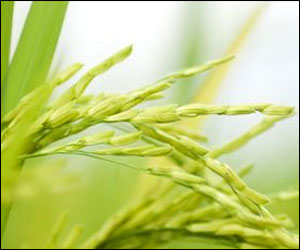
With increasing awareness of healthy diets and nutritional security gaining as much focus as food security,Indian researchers are now growing biotech-enhanced crops with Omega-3 fatty acids besides developing improved varieties of rice,rich in protein and iron.
To increase yields and enhance nutrition,improved rice varieties which have in-built insect protection,and are fortified with high iron and zinc are being developed in India, agricultural-biotechnology experts from various institutions told reporters.

Also,researchers are growing nutritionally potent crops especially rice with Omega-3 fatty acids,they said.
Innovation in plant biotechnology is the key to meet rising food needs by increasing crop productivity,and agricultural innovations are the only hope to enhance yield and nutritional value in food,they said,adding that the Centre should lay emphasis on this.
Our young growing nation needs more food,and yet demands more healthy food. Indian agriculture and plant research aims to provide more nutrition while eating less food, P Ranjekar,Director of Research,Bharati Vidyapeeth University said.
A team of researchers at Interactive Research School for Health Affairs IRSHA of Bharathi Vidyapeeth University led by Dr Abhay Harsulkar are developing crops that produce Omega-3 fatty acids in their seeds and is conducting research to derive plant-based sources of these acids. Omega-3 fatty acids also play a crucial role in increasing cognitive ability in children,especially during their brain development stage,Ranjekar said,adding that since the human body cannot manufacture the acids on its own,these need to be incorporated through diet.
The team has successfully identified the plant genes responsible for the production of Omega-3 fatty acids from flax linseed or Linum Usitatissimum and is transferring these beneficial genes to other plants. Scientists are also developing diseases,insects and drought resistant rice varieties,Ranjekar said.
Rao,Head Plant Improvement 8211; Central Rice Research Institute CRRI,Cuttack,Orissa said,Biotech-enhanced rice has a few clear advantages 8211; increased crop productivity,reduced pesticide usage,and better nutrition.
Harsulkar said that since Omega-3 fatty acids are crucial for human health it is essential to increase their availability in our food chain as nutrients are lacking owing to severe depletion of dietary resources.
The team has successfully identified the plant genes responsible for the production of Omega-3 fatty acids from Flax linseed or Linum Usitatissimum and is transferring these beneficial genes to other plants.
Omega-3 incorporated to dietary elements for expecting and lactating mothers play a crucial role in increasing cognitive ability in children,especially during their brain development stage,Ranjekar said. These fatty acids are a crucial part of every cell membrane of the human body. The human brain and retina of the eye have the highest concentration of omega three fatty acids 25 pc and 50 pc respectively.
On the other hand,deficiency of Omega-3 in modern human diet promotes chronic inflammation,propagation of cancer,heart disease,stroke,diabetes,arthritis and auto-immune diseases.
Since,the human body cannot manufacture Omega-3 healthy acids on its own; these essential fatty acids need to be incorporated through diet patterns,Ranjekar said.
According to experts plant-based sources of Omega-3 fatty acids are an important alternative to fish as a source. Flax is a unique plant which has a rich combination of fat,protein and dietary fiber and can be used directly for human consumption through fortification.
With Indias population estimated to reach 1.3 billion by 2017,the government estimates that we may be short of 14 million metric tons of food grains. A growing population and climate change have emphasised the need to meet rising food needs by improving Indias crop productivity through innovations in agriculture,they said.


