Journalism of Courage
 3 min read



Gushed a friend who had just got back from Kerala, 8216;8216;Wow, it8217;s really God8217;s own country.8217;8217; She continued, 8216;8216;I just don8217;t understand you Mallus, how can you leave such a beautiful place and be in these impossible places?8217;8217;
This, incidentally, is not first time that I8217;ve heard such comments, especially from people who have just returned from a vacation in Kerala. They almost always come back gushing about the greenery, the kettuvallam ride on the backwaters, the beaches, the hills, the Ayurvedic massages, the mini-Kathakali performance tailor-made for tourists8230;The list is endless.
It has never ceased to amaze me how most tourists who go to Kerala come back missing some of the most obvious aspects of the state. They never seem to perceive the potholed roads, the long hours of power cut in this land of waterfalls and hydroelectricity. Kerala is a great example that things need not be always be what they appear to be. To all appearances, Kerala is a state which has it all 8212; 100 per cent literacy, the lowest population growth and a picture-perfect landscape. It has a high human development index and has been the central theme of many a book on development economics.
Yet, its paradoxes never seem to end. It has the highest literacy rate in the country, as well as the highest unemployment rate. Even with this high level of unemployment there is a near irrational rush for white collar jobs. Being jobless is tolerated but having a blue collar job is a big no-no.
The state with the lowest infant mortality rate in the country also happens to record the highest suicide rate as well. And while the rest of India is witnessing a baby boom despite all the government8217;s efforts, Kerala is the only state which has recorded a negative population growth. But then, with fewer children and higher life expectancy levels, the green state is fast turning into a grey state. The number of elderly left to fend for themselves 8212; emotionally, not financially 8212; is on the rise. A situation is also necessitated by the fact that the high rate of unemployment has forced the younger generation to move out in search of jobs. Of course, a tourist is not expected to know that he should actually thank Kerala8217;s militant trade union movement, which has left the state with the highest unemployment rate in the country, for the verdant beauty he raves about.
If it were not for the trade unions, industries would have dotted the state instead of trees. Then, of course, Kerala wouldn8217;t have made it to the 50 8216;must see8217; destinations in the National Geographic list. But there would have been fewer suicides, lower unemployment and fewer deserted parents.
Fortunately, the lesson these paradoxes teach is slowly getting across to the political class. Keralites are now realising that change must come 8212; a change that does not result in an upheaval, of course, but one that would help manage better the various paradoxes of this unique state. Only then would Kerala truly become God8217;s Own Country.

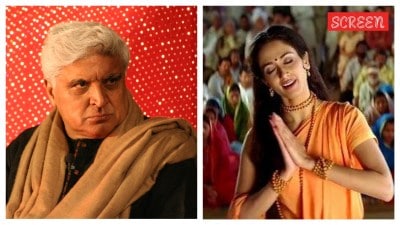
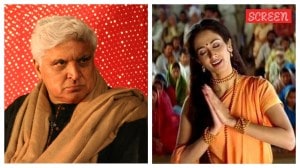
Veteran poet, screenwriter and lyricist Javed Akhtar recently expressed his disagreement with longtime collaborator and music composer AR Rahman over the latter’s claims that the Hindi film industry has become more communal in the past eight years. Akhtar claimed that the film industry has always been religion-agnostic and has picked the best person for the job.