Journalism of Courage
 2 min read



P V Narasimha Rao became prime minister in the shadow of tragedy. Rajiv Gandhi had been assassinated and India was struggling with a political as well as economic crisis. When Rao stepped forward to take the reins of the nation, his ascent was described as the return of the old guard. Yet the Rao years saw the first initiation of radical economic reforms.
Manmohan Singh as finance minister moved to free India8217;s economy of decades-old socialist stasis. Rao as prime minister provided the political cover for economic reforms and 1991 became a watershed year for liberalisation. Well-versed in the ruthless art of political management, Rao8217;s minority government survived many storms and he became the first prime minister who was not from the Nehru-Gandhi family to last a full five-year term. He was also the first chief executive to be implicated in a criminal case. But well known as a literary figure as well as a crafty political manipulator, Rao8217;s political management failed him on that fateful day, December 6, 1992, when the Babri Masjid came crashing down. Political manager, economic reformer, fatally indecisive in the face of militant Hinduism, PV Narasimha8217;s legacy will always remain an important one

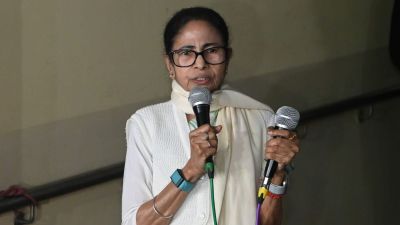
The Enforcement Directorate (ED) on Thursday conducted searches at 10 premises associated with the election management company I-PAC in Kolkata and Delhi. The company, founded by election-strategist-turned-politician Prashant Kishor, is currently managing election campaigns of the Mamata Banerjee-led Trinamool Congress. West Bengal will go to elections this year.