Journalism of Courage
 3 min read



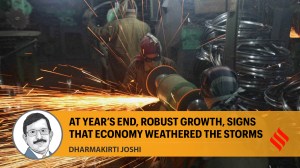
It8217;s a busy weekday at the 100-acre Special Economic Zone near Kanpur. Metal cutters and pliers clang urgently8212;there are export orders to be met8212;as the nearly 1,000 women workers at this textile and handicrafts SEZ work feverishly.
But exactly a year ago, the land where the SEZ building now stands was a barren piece of land and no body remembers being in a job, ever. But the SEZ changed all that8212;women from nearby villages were signed up, trained and recruited.
When asked how they felt about their new jobs, some of the women said, 8216;8216;Our husbands don8217;t beat us anymore8230; and our families have begun to treat us with respect.8217;8217;
In its latest economic outlook report, the Economic Advisory Council to the Prime Minister declared that it anticipates the country to be free from unemployment in a few years though with a few riders and SEZs would contribute in no small measure. By the end of this year, the number of workers in SEZs is expected to touch a lakh and by 2010, the Commerce Ministry expects SEZs to bring four million people into the ranks of the employed.
In fact, when the World Trade Organisation recently joined the league of SEZ-detractors after the domestic political storm over these zones had died down, in a strongly-worded rebuttal, Commerce Secretary Gopal K. Pillai termed the WTO secretariat8217;s doubts about SEZs8217; effectiveness in boosting both investment and employment as 8216;8216;premature8217;8217;.
Indeed, SEZs have already brought in over 10 billion of investments, some in areas where India has never had any experience8212;like athletic leather shoes. And as Pillai pointed out to the WTO, 8216;8216;the large number of textile, gems and leather SEZs being set up would provide employment for a less skilled labour force.8217;8217;
India has never been short on ideas for attracting investment. As early as 1965, it became the first nation in Asia to announce a special policy for promoting exports8212;export processing zones. A policy for export-oriented units followed which was successful but in a limited manner as it was never aggressively pushed. With the right incentives and procedural ease brought in by the SEZ Act of 2005, the historic trickle of investments into India is now turning into a deluge.
And it8217;s about time.