Journalism of Courage
 4 min read



Where was Express?
8226; This refers to last week8217;s edition of Saubhik Chakrabarti8217;s column critiquing TV news Breaking Down News, 8216;The Nithari whodunnit8217;, January 6. I agree with Chakrabarti about audio-visual media8217;s peculiar approaches to certain issues. But I have a question for the newspaper he works for as well. I read The Indian Express because to me it seems like a newspaper that seriously tries to engage with real issues. I read the paper for its investigative journalism. Nithari is not far from Delhi. Children were being reported missing for months. Why didn8217;t Express know about it? Are Nithari and places like that not on Express8217;s map any more? Are Express journalists getting too comfortable in the city, tracking big stories and forgetting little people? So while I want to thank Chakrabarti for his refreshing analysis, I would want to ask him and all his colleagues whether Nithari happening right under their noses is also not a reason for Express to look at itself. I am in marketing and I visit semi-rural areas very often. These places need the attention of a paper like The Indian Express.
8212; Bhupen Dubey, Mumbai
Treat it
8226; Your report 8216;Fashion8217;s quirky icon in Goa hospital after injuring herself8217;, IE, January 4 on fashion designer Isabella Blow recovering from depression provoked me to share a few facts with your readers. In India, few are aware that depression is a treatable medical condition, it8217;s not an untreatable feeling of being 8220;sad8221;. Many victims of depression, especially the young among them, do not speak about their illness, because they don8217;t know it8217;s an illness. Untreated, depression can lead to suicide. Frequently, family members misdiagnose these deaths, putting them down to specific causes like failed careers or failed romance. I know of a young engineering student who had a heavy workload and had adjustment problems in college. He soon became withdrawn and showed all the symptoms of a depression-affected person. His sister persuaded him, after much difficulty, to visit a psychiatrist. He was put on medication. He got family support. That8217;s the key 8212; proper medical attention and friends and family rallying around.
8212; Rukmini Pillai, New Delhi
Contradictory?
8226; Pratap Bhanu Mehta has contradicted himself in his analysis of police conduct in Nithari killings 8216;The truth is not in the facts8217;, IE, January 6. He mentions 8220;politicians for their bizarre combination of negligence and interference8221;, but he also says 8220;perhaps, the unspeakable horror of Nithari is making us unduly harsh on Mulayam Singh Yadav8221;. Mehta8217;s good conduct certificate to Mulayam Singh is inspired by the UP crime data gathered by a 8220;police scholar8221; that claims notable drop in violent crime in the state. But Mehta also mentions 8220;unreliability of UP crime data8221;. What should the reader believe?
8212; M. Ratan, New Delhi
Organ trade
8226; I hope the CBI probes whether the Nithari horror was at least partly about organ trade as well. True, the way those poor children were murdered suggests organ harvesting could not have been a motive. The age of the victims also militates against this possibility, but nevertheless this angle must be investigated. Organ trade is hugely lucrative and in a country like India where there are many medical practitioners willing to bend the law; but where law enforcement is poor. Therefore the risk-return ratio will not disincentivise the crooked.
8212; Amjad K. Maruf, Mumbai

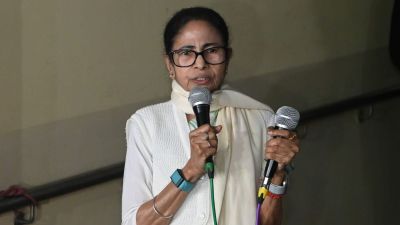
The Enforcement Directorate (ED) on Thursday conducted searches at 10 premises associated with the election management company I-PAC in Kolkata and Delhi. The company, founded by election-strategist-turned-politician Prashant Kishor, is currently managing election campaigns of the Mamata Banerjee-led Trinamool Congress. West Bengal will go to elections this year.