Journalism of Courage
 2 min read



That the Bush administration does not want to take credit for the Russian decision to immediately supply enriched uranium fuel to Tarapur is understandable. The administration does not want to be seen as loosening the nuclear restrictions against India, even before the US Congress endorses the Indo-US nuclear pact. This by no means diminishes the reality of implicit US-Russian political cooperation facilitating the resumption of fuel supply to Tarapur.
The Russian Prime Minister Mikhail Fradkov is expected to announce the decision formally in New Delhi when he arrives this week. A preview of this decision was offered by an unidentified administration source in Washington. The Russian move marks the first major gain from the Indo-US nuclear engagement. New Delhi had been insisting all these months that fuel supply to Tarapur must begin even before the approval of the nuclear deal by the US Congress and the 45-nation Nuclear Suppliers Group. The earlier shipment of fuel from Russia in 2001 has been exhausted and the two reactors at Tarapur were in danger of facing closure later this year. The US is in no position to supply the fuel itself, until the domestic non-proliferation laws are changed.
There8217;s however a danger here for India. Critics in the US are already pouncing upon the Bush administration for letting Russia supply fuel to Tarapur. The argument is that Moscow, and later Paris, might walk off with all the future nuclear business in India, while Washington simply facilitated the deal. Therefore, India should also put out clear signals that US companies would be given equal treatment with those from Russia and France when the nuclear rules are altered. Once the nuclear pact is through, the US Congress and the NSG, India will have enough contracts to offer all players, including Japan. It always makes good political sense to spread the gravy around.

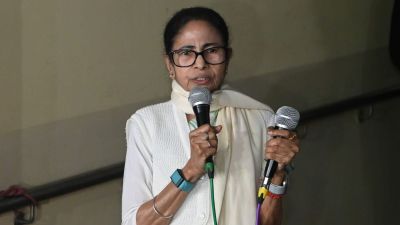
The Enforcement Directorate (ED) on Thursday conducted searches at 10 premises associated with the election management company I-PAC in Kolkata and Delhi. The company, founded by election-strategist-turned-politician Prashant Kishor, is currently managing election campaigns of the Mamata Banerjee-led Trinamool Congress. West Bengal will go to elections this year.