Journalism of Courage
 2 min read



NEW YORK, SEPT 24: In the 1990s, most voters from the lowest castes here in India8217;s most populous state, Uttar Pradesh, have given their loyalty to the Majority Society Party Bahujan Samaj Party, which has also built a strong following in several other northern Indian states. The growing political power and independence of the lowest castes, generally referred to as Scheduled Castes because of their enumeration in the Constitution for special benefits, is being felt not just in northern India but across the country. They are voting in greater proportions than ever before, greater even than the upper castes, according to voter surveys conducted in 1996 and 1998 by the Centre for the Study of Developing Societies in New Delhi8230;
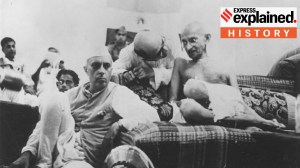
The founders of independent India dreamed half a century ago of a casteless society, but caste has proved a resilient and dynamic force. Paradoxically, this hierarchical, hereditary system that has oppressed the lower orders of society has also become an organising principle thatthe downtrodden themselves have seized on to forge their own political identity and to seek electoral power. Like blacks in the United States, many in the lowest castes have spurned the old names given to them as ritually impure untouchables who cannot even drink from the same well as upper castes, or as Harijans, or Children of God, as they were called by the independence leader Mohandas K. Gandhi. Instead, they have adopted the blunt term Dalit, which means oppressed or ground-down in Hindi.
In Uttar Pradesh, where Dalits make up a fifth of the population, they have largely deserted the Congress Party, which was dominated by an upper caste, an English-speaking elite that ruled India for most of its 52 years of independence, but failed to share real power with the lowest castes it depended on for votes. Now, instead of stamping the Congress Party symbol of a raised hand, most chose the elephant, symbol of the Majority Society Party.