4 min read
📣 For more lifestyle news, click here to join our WhatsApp Channel and also follow us on Instagram
© IE Online Media Services Pvt Ltd



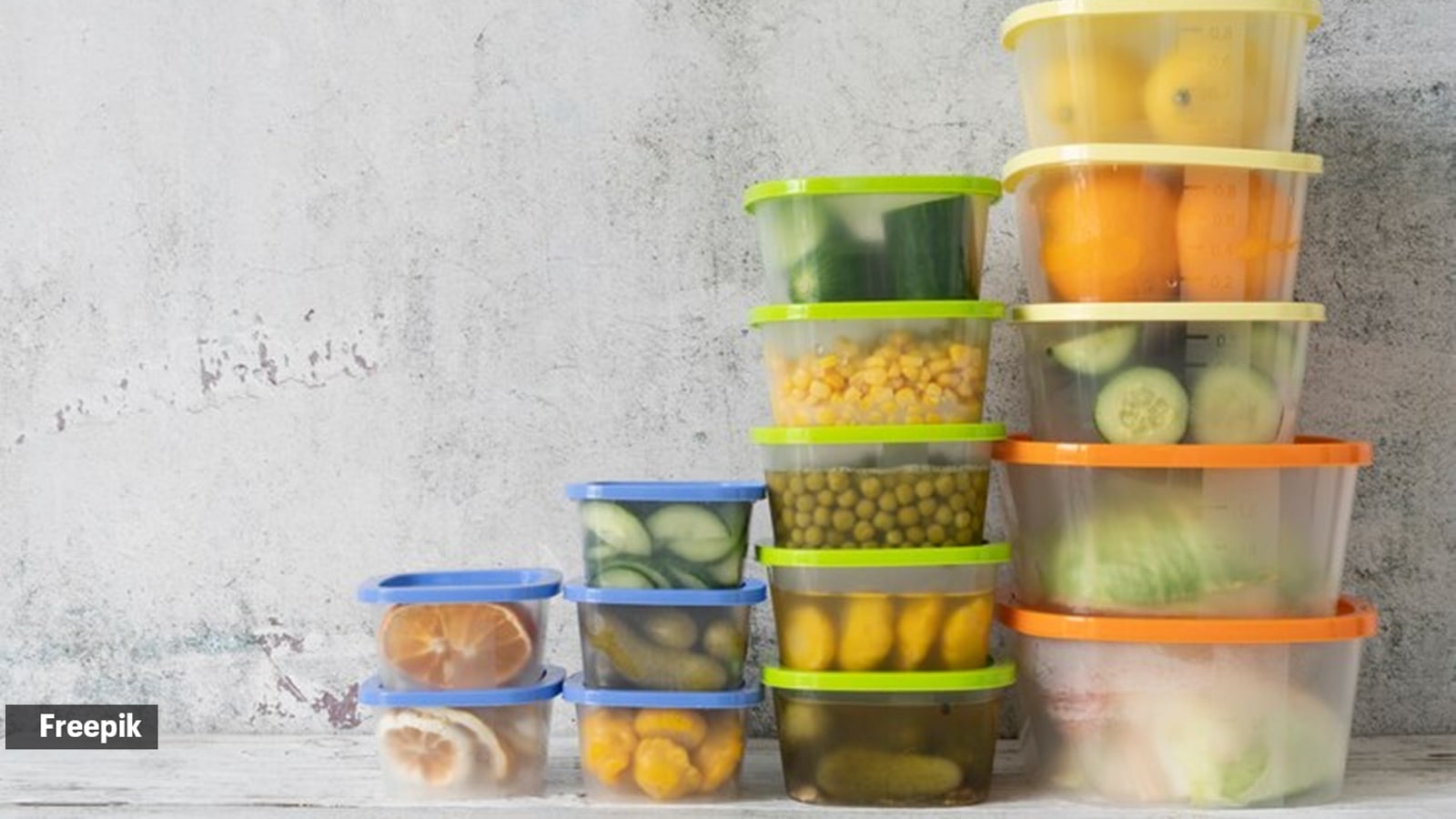 Plastic storage containers are marked with symbols that indicate the type of plastic they are made from. (Source: Freepik)
Are you aware of what those tiny labels on your plastic containers mean? Choosing the right type of plastic container for storage is important to ensure that your food lasts longer and is safe for consumption.
The symbols you see on your plastic storage can give you clues about the type of plastic used and its intended purposes. Understanding these symbols can help you make informed decisions when selecting storage containers for your home or business.
Plastic storage containers are commonly marked with symbols that indicate the type of plastic they are made from. These symbols are usually found on the bottom of the container and are represented by a number inside a triangle of arrows.
Ipsita Chakraborty, senior nutrionist at Hungry Koala says, “Consumers should use this information to make informed decisions about which plastics are suitable for their storage needs, considering both the safety and functional requirements of the stored goods”
She explains what each symbol represents and how to choose the right type of container for your needs.
Chakraborty describes the seven most common types of symbols found on plastic containers:
| PET (Polyethylene Terephthalate) | 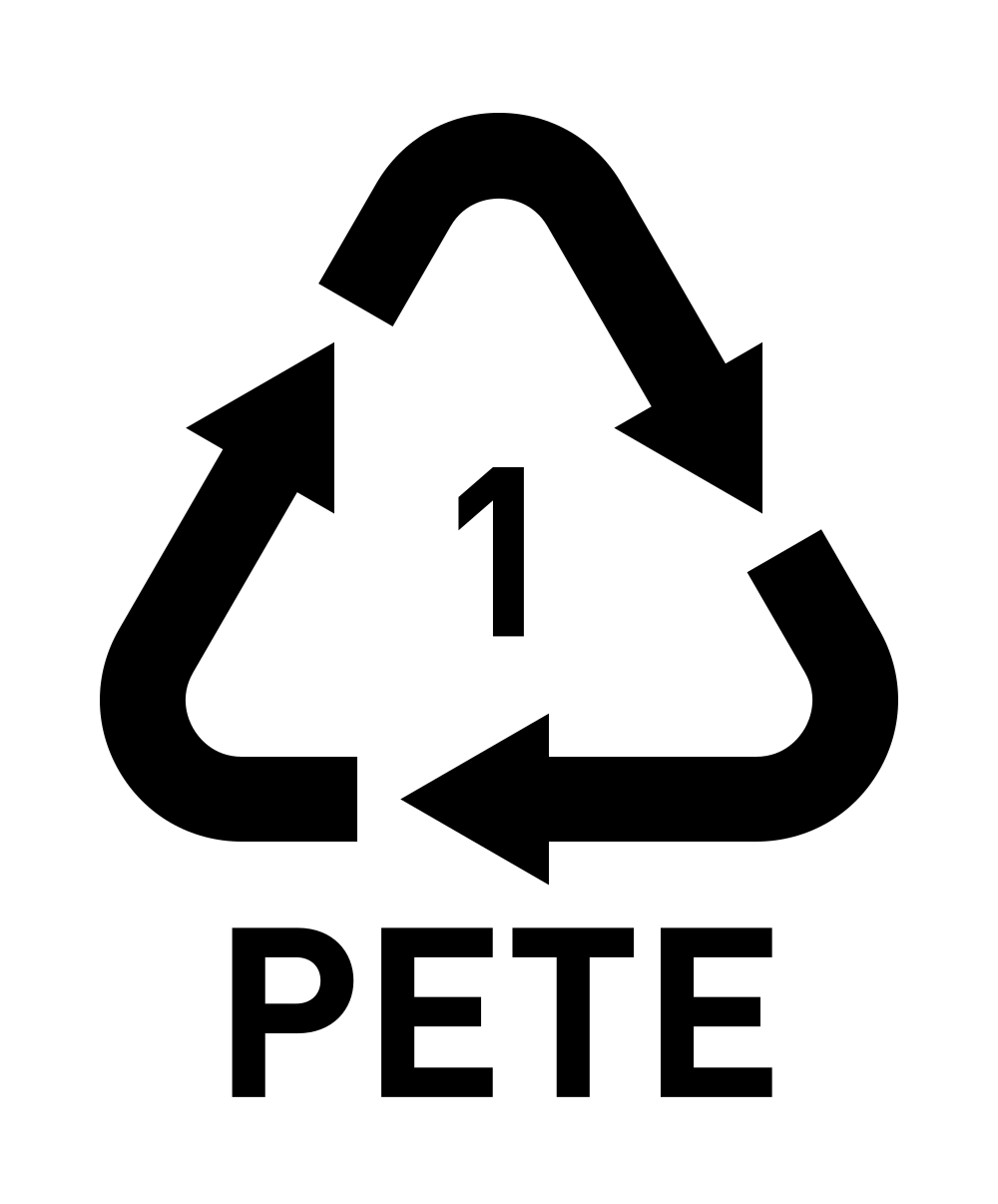 |
Commonly used in water and soft drink bottles, PET is safe for single use but can harbor bacteria and absorb flavours with repeated use. |
| HDPE (High-Density Polyethylene) |  |
Found in milk jugs, detergent bottles, and some food containers. HDPE is known for its good chemical resistance and strong barrier properties. |
| PVC (Polyvinyl Chloride) | 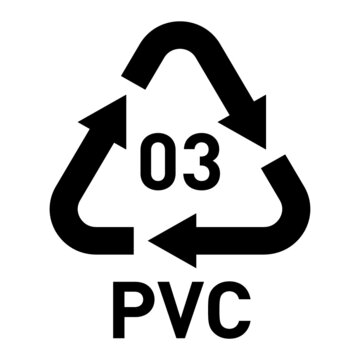 |
Often used for food wrap, cooking oil bottles, and plumbing materials. PVC can release harmful chemicals and is not recommended for food storage. |
| LDPE (Low-Density Polyethylene) |  |
Used in grocery bags and some food wraps. LDPE is more flexible than HDPE and generally safe for food contact. |
| PP (Polypropylene) |  |
Used in yoghurt containers, syrup bottles, and medicine bottles. PP is safe for reuse, has a high melting point, making it suitable for microwave and dishwasher use. |
| PS (Polystyrene) | 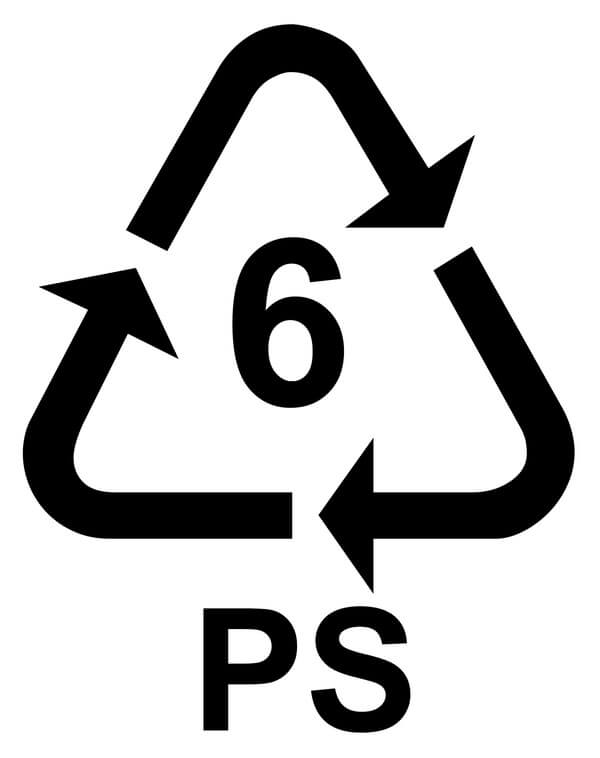 |
Found in styrofoam food trays, disposable coffee cups, and plastic cutlery. PS can leach styrene, a possible human carcinogen, into food items, especially when heated. |
| Other (often polycarbonate or ABS) | 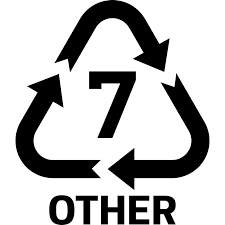 |
Includes various plastics not belonging to the first six categories. Use caution as these can contain BPA or other potentially harmful chemicals. |
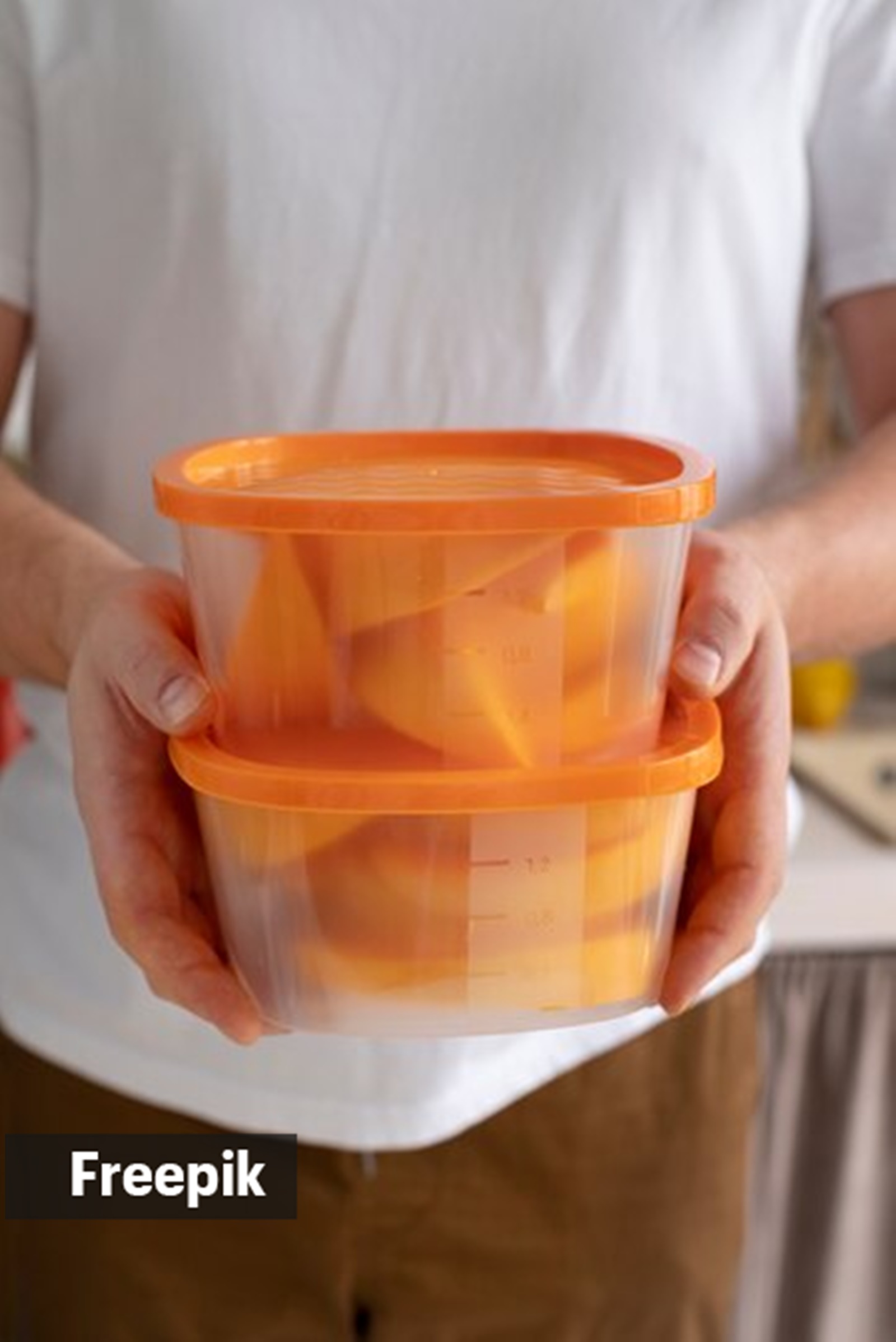 “Ensuring the plastic type aligns with the intended use is crucial for safety and sustainability,” says Ipsita Chakraborty, senior nutrionist at Hungry Koala (Source: Freepik)
“Ensuring the plastic type aligns with the intended use is crucial for safety and sustainability,” says Chakraborty. Here are five key factors you should consider while purchasing plastic storage for your home:
Chemical resistance: The plastic should be resistant to the chemicals contained in stored items to prevent reactions that could degrade the container or contaminate its contents.
Temperature tolerance: Consider the temperature conditions the plastic will be exposed to. Some plastics may warp or leach chemicals at high temperatures, making them unsuitable for storing hot foods or use in microwaves.
Durability and flexibility: Assess the physical demands of the storage usage. Some applications may require more durable plastics that are crack-resistant, while others might need flexibility without breaking.
Food safety: For storing food, ensure that the plastic is food-grade and does not contain harmful chemicals like BPA or phthalates, which can leach into food and beverages.
Plastics like PVC and certain types of polycarbonate, Chakraborty informs, can leach harmful additives into food and drinks, particularly when heated or scratched. For example, BPA, used in some polycarbonates, is linked to health issues affecting the brain and other organs.
She recommends opting for plastics known for stability and safety, such as HDPE or PP, which do not leach harmful substances over time. Avoid using plastics that deteriorate easily or are known to leach chemicals, such as PVC and PS.
“Choose containers with symbols indicating PET, HDPE, or PP when safety is a priority, especially for food storage. Avoid containers with symbols for PVC or PS, particularly for items involving heat exposure or consumables,” she suggests.