


📣 For more lifestyle news, click here to join our WhatsApp Channel and also follow us on Instagram
© IE Online Media Services Pvt Ltd
Tags:


Sometime back, we stumbled upon a Twitter thread that listed certain natural ways to prevent cancer, based on a user’s research and understanding. The user, Landon Clost, shared that after his uncle passed away from cancer, he started researching the disease. “I’ve since spent 100s of hours researching how to avoid and fight cancer naturally. Here’s what I found,” he wrote on the microblogging site, sharing some pointers in successive tweets.
Sharing details of his findings on cancer research, he wrote:

*Boost your stem cells
*Hack DNA repair
*Optimise gut biome
*Boost gut health
*Starve cancer by cutting off blood supply
*Eat bioactive foods
*Eat antioxidants
But can cancer be prevented? Research suggests that although some factors cannot be controlled (such as inherited genetic mutations), there is a range of modifiable environmental and lifestyle factors that can help reduce the risk of developing cancer. According to the World Health Organization (WHO), a 30-40 per cent cancer burden can be attributed to lifestyle risk factors such as tobacco smoking, alcohol consumption, a diet low in fruit and vegetables, overweight and obesity, and physical inactivity.
In fact, in a 2018 report by the World Cancer Research Fund (WCRF) and the American Institute of Cancer Research (AICR), 10 cancer prevention recommendations on diet and nutrition were developed. These recommendations, comprising healthy dietary patterns, physical activity, and weight management, ‘may not only help reduce the risk of cancer but may also contribute to the prevention of obesity and other chronic diseases such as type 2 diabetes and cardiovascular disease’. These include physical activity, diet, and reduced exposure to tobacco among others.
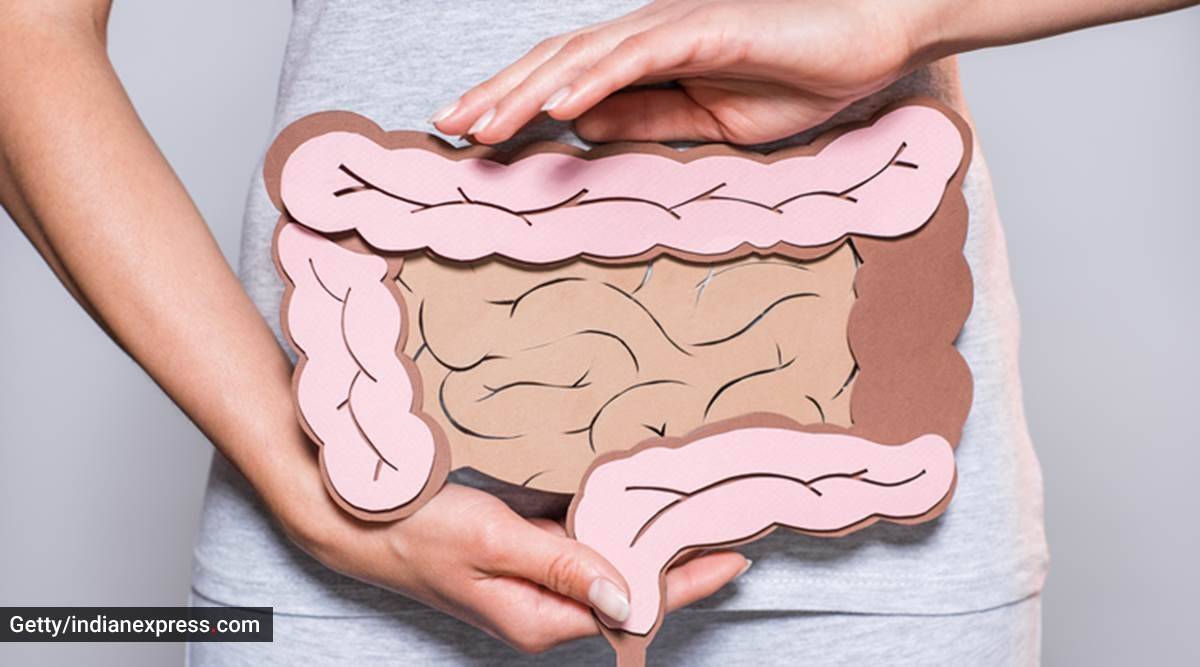
Additionally, as per a 2004 study published in Nutrition Journal, it has been estimated by the American Institute for Cancer Research and the World Cancer Research Fund that 30–40 per cent of all cancers can be prevented by lifestyle and dietary measures alone. It notes that obesity, nutrient sparse foods such as concentrated sugars and refined flour products that contribute to impaired glucose metabolism (which leads to diabetes), low fibre intake, consumption of red meat, and imbalance of omega 3 and omega 6 fats all contribute to excess cancer risk.
It also goes on to list that protective elements in a cancer prevention diet include selenium, folic acid, vitamin B-12, vitamin D, chlorophyll, and antioxidants such as the carotenoids (a-carotene, ß-carotene, lycopene, lutein, cryptoxanthin).
It details that “careful menu planning brings about an approach entitled CRON-Calorie Restriction with Optimal Nutrition”. “The basic idea is to eat a reduced amount of food (about 70–80 per cent of the amount required to maintain “normal” body weight) while still consuming all of the necessary amounts of vitamins, minerals, and other necessary nutrients. The only restriction is the total amount of energy (calories) that is consumed. While being difficult to practice, this approach has a lot of scientific merit for being able to extend average life spans of many species of animals including rats, mice, fish, and possibly primates (currently being tested).”
The Twitter thread also mentioned some necessary diet interventions that boost immunity, cell growth
Boost your stem cells
Your body slowly regenerates using stem cells.
Foods that promote stem cell growth:
• Seafood and fatty fish
• Berries (black, blue, raspberry)
• Broccoli, cauliflower, brussels sprouts
More stem cells = lower chance of cancer
Fasting is also a viable option for increasing your stem cells. You could do a 24-hour fast once a week.
Hack DNA repair for longevity
To amplify DNA repair:
• Sleep 7+ hours
• Exercise regularly
• Try intermittent fasting
Natural DNA repair prevents your cells from mutating.
Eat foods that amplify DNA repair:
• Greens
• Mangoes
• Greek yoghurt
The best cancer cure is prevention.
Optimise your gut biome
Akkermancia is a gut bacteria that fights cancer.
• Fish oil
• Grapes
• Black tea
• Pomegranate
“All grow it. A simple way to increase the effects of cancer treatments,” he wrote.
A healthy gut boosts cancer immunity
70 per cent of your immune system lives in your gut.
When healthy, it:
• Fights cancers
• Improves mood
• Boosts metabolism
• Controls hormones
• Lowers inflammation
Strengthen the gut biome to get a boost in immunity.
Two types of foods to boost your gut health:
• Probiotic foods add bacteria
• Prebiotic foods feed bacteria
Yoghurt = healthy probiotic.
Bananas = healthy prebiotic.
(Assuming you’re eating yoghurt with little added sugar of course)
Starve cancer to death
Cancer needs blood supply to grow.
It feeds off of your weak blood vessels.
Cut off blood supply = destroy cancer.
So how do you cut off the blood supply?
Foods that cut cancer from your blood supply:
• Stone fruits
• Artichokes
• Lavender
• Red wine
• Turmeric
• Olive oil
• Berries
• Garlic
Cancer can’t grow bigger than the tip of a pen without blood supply.
These foods are your saving grace, he mentioned.
One should eat foods with bioactives
Bioactives are part of a plant’s defence system.
Benefits of bioactives in your diet include:
• Anti-cancer
• Anti-diabetic
• Anti-microbial
• High antioxidant
• Cardiovascular health
Eat organic fruits and veggies to reap these benefits.
Antioxidants = your front line of defense
Ellagic acid is the general of your antioxidant army, it:
Stops the spread of cancer cells
Protects cells from damage
Slows cancer cell growth
Improves brain function
Reduces inflammation
Food sources high in antioxidants:
• Nuts
• Berries
• Pomegranates
• Ellagic acid supplements
Eat more antioxidants to battle cancer and other chronic health issues.
Here’s what experts say
Cancer can be prevented largely by looking into three simple aspects of one’s life called DHL – Diet, Habits, and Lifestyle. “Lifestyle is basically ensuring one gets proper sleep, maintains body weight as per height, and avoids extreme stresses. Yoga and meditation also help in keeping the body healthy and revitalised,” said Dr Prasad Kasbekar, consultant surgical oncologist, Masina Hospital, Byculla, Mumbai.
“A healthy diet includes avoidance of processed foods and fast foods as much as possible, and eating a balanced meal of vegetables, legumes, millet and proteins in the diet. Avoid saturated fats as much as possible. Excessive consumption of any food, such as red meats, is potentially harmful. Certain foods such as leafy vegetables, fruits such as cranberries, etc have shown to help prevent cancer in some studies,” Dr Kasbekar told indianexpress.com.
According to Dr Tirathram Kaushik, consultant oncosurgeon, Wockhardt Hospitals Mira Road, foods such as apples, asparagus, blueberries, broccoli, carrots, cauliflower, cherries, cranberries, flaxseeds, garlic, grapes, kale, oranges, lentils, legumes, soy, spinach, tomatoes, and walnuts contain minerals, vitamins and phytochemicals demonstrate anti-cancer effects.
Green tea contains antioxidants and is an important part of an anti-cancer diet, mentioned Dr Kaushik. “Green tea has cancer-fighting properties and may be helpful in preventing liver, breast, pancreatic, lung, oesophagal, and skin cancer. Olive oil can also be a great addition to the diet as it contains cancer-fighting properties. Many studies have revealed that garlic and onions can block the formation of nitrosamines, carcinogens that target several sites in the body like the colon, liver, and breasts causing cancer, said Dr Kaushik.
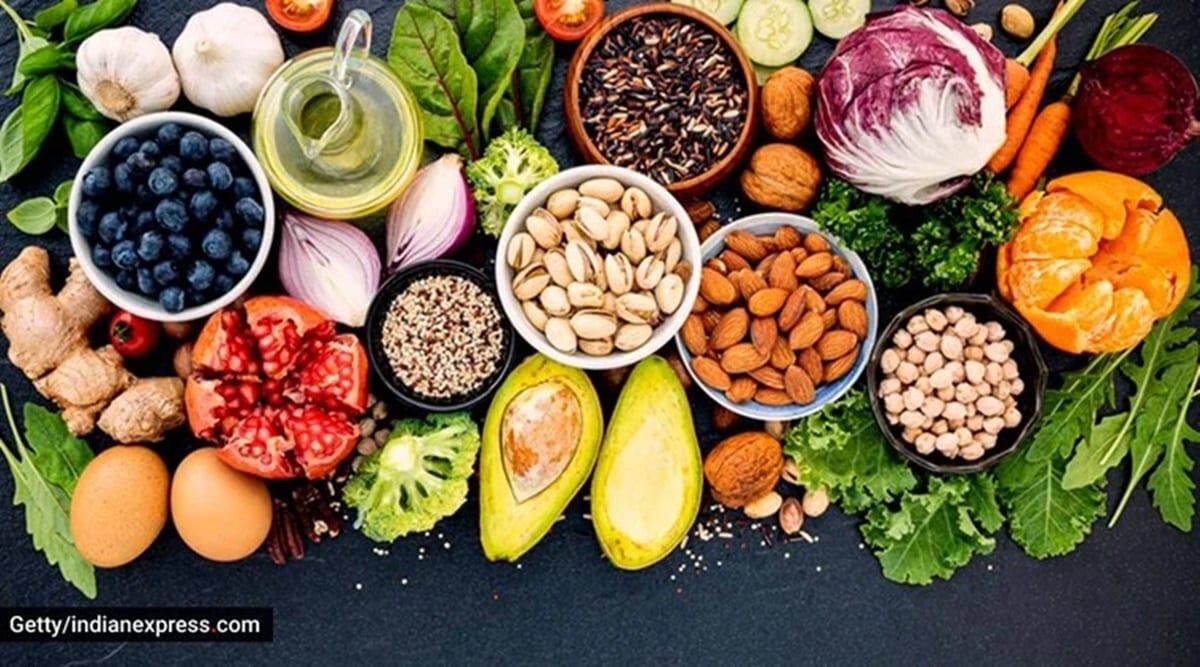
“Certain foods such as seafood, broccoli, and Brussels sprouts can even help to boost one’s stem cell growth. If you are trying intermittent fasting, then you need to consult an expert before doing so,” Dr Kaushik said.
What to avoid?
Various studies also suggest that consuming alcohol can invite mouth, pharynx and larynx, oesophagus (squamous cell carcinoma), liver, colorectal, and breast cancer (particularly post-menopause), said Dr Kaushik. “So, avoid beer, spirits (liquors), or any other alcoholic drink at any cost and safeguard yourself from cancer. Not only this, even smoking can raise the risk of lung cancer which causes higher mortality and morbidity rates in patients,” Dr Kaushik told indianexpress.com.
He also mentioned that a large number of studies have linked fast food to increased cancer risk. “Thus, eating burgers, fried chicken, French fries, or opting for high-calorie drinks like sugar, soda or shakes contain unhealthy fats, starches, or sugars, and lead to weight gain and obesity, which can cause various cancers,” he said.
Dr Ishu Gupta, consultant – Medical Oncology, Fortis Hospital, Noida noted that along with a healthy lifestyle, staying mindful about one’s health with routine check-ups can help prevent advanced stages of cancer.
“Some vaccines like the Human Papillomavirus vaccine help to prevent cancer when given to young girls. It is recommended for all girls between the age of 11-26 and can reduce the risk of cervical cancer by more than 90 per cent. Since cancer has various causes, a healthy lifestyle on its own may not reduce the risk of cancer to zero. Therefore, routine health checks are required for early diagnosis which can help cure and treat the type of cancer,” Dr Gupta said.
📣 For more lifestyle news, follow us on Instagram | Twitter | Facebook and don’t miss out on the latest updates!


