3 min read
📣 For more lifestyle news, click here to join our WhatsApp Channel and also follow us on Instagram
© IE Online Media Services Pvt Ltd



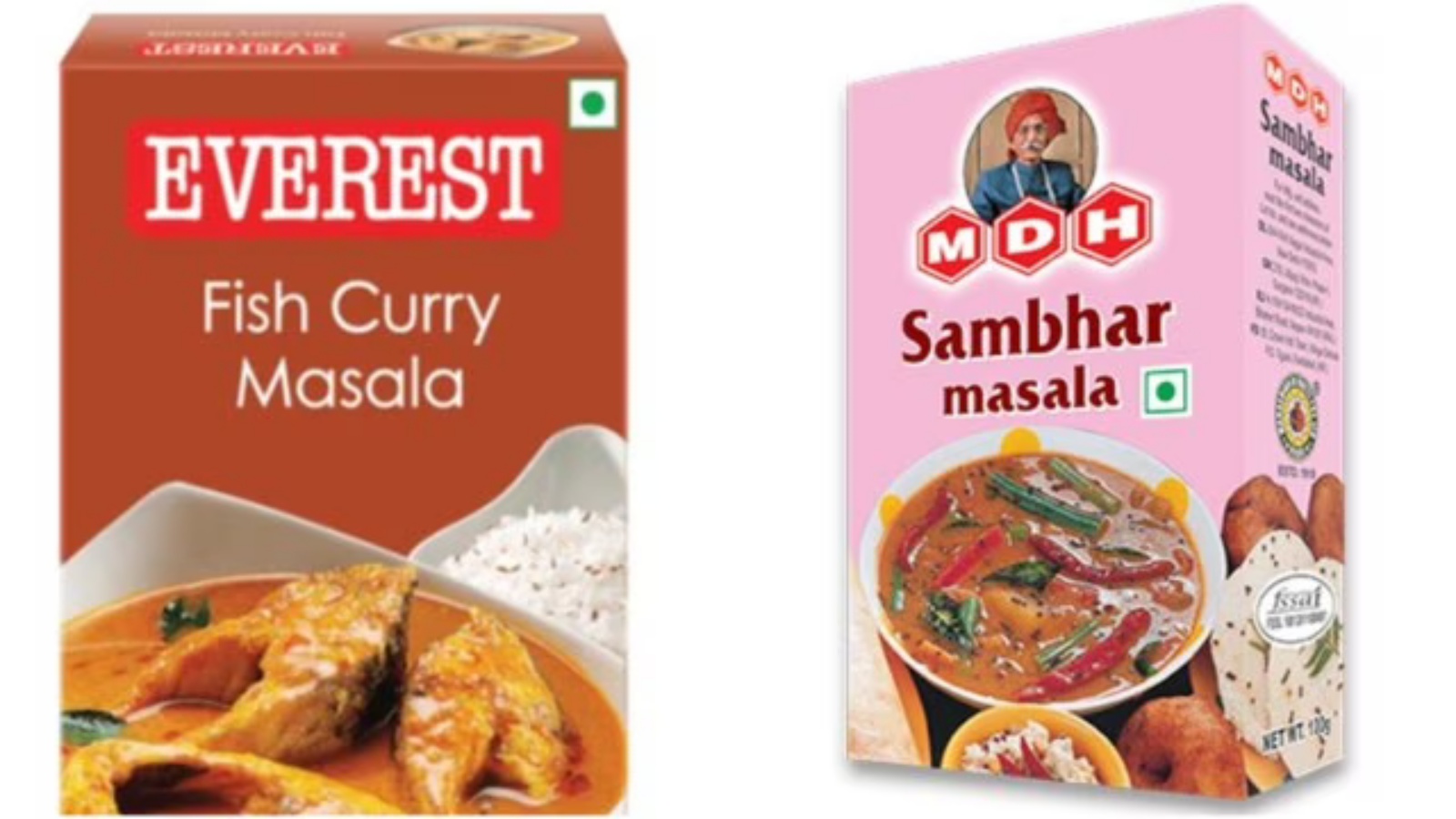 While MDH and Everest are household names in India, their spices are raising concerns internationally. (Photos: everestfoods.com/mdhspices.com)
Everest and MDH spices are facing a wave of scrutiny across the globe. Following bans in Singapore and Hong Kong, Nepal has joined the list by prohibiting the consumption and sale of these popular Indian brands due to potential contamination with ethylene oxide, a carcinogen.
Nepal’s Department of Food Technology and Quality Control is currently testing the spices for the presence of this harmful chemical. Mohan Krishna Maharjan, a spokesperson for the department, confirmed the ban to ANI and stated that it was implemented based on reports of harmful chemicals found in the products.
This recent development follows similar actions taken by other countries:
Ethylene oxide is classified as a ‘Group 1 carcinogen’ by the International Agency for Research on Cancer, indicating its potential to cause cancer in humans, explained Kanika Malhotra, clinical dietician and certified diabetes educator. “Ethylene oxide exposure is linked to various cancers, including lymphoma, leukaemia, stomach, and breast cancer, raising serious health risks,” she added.
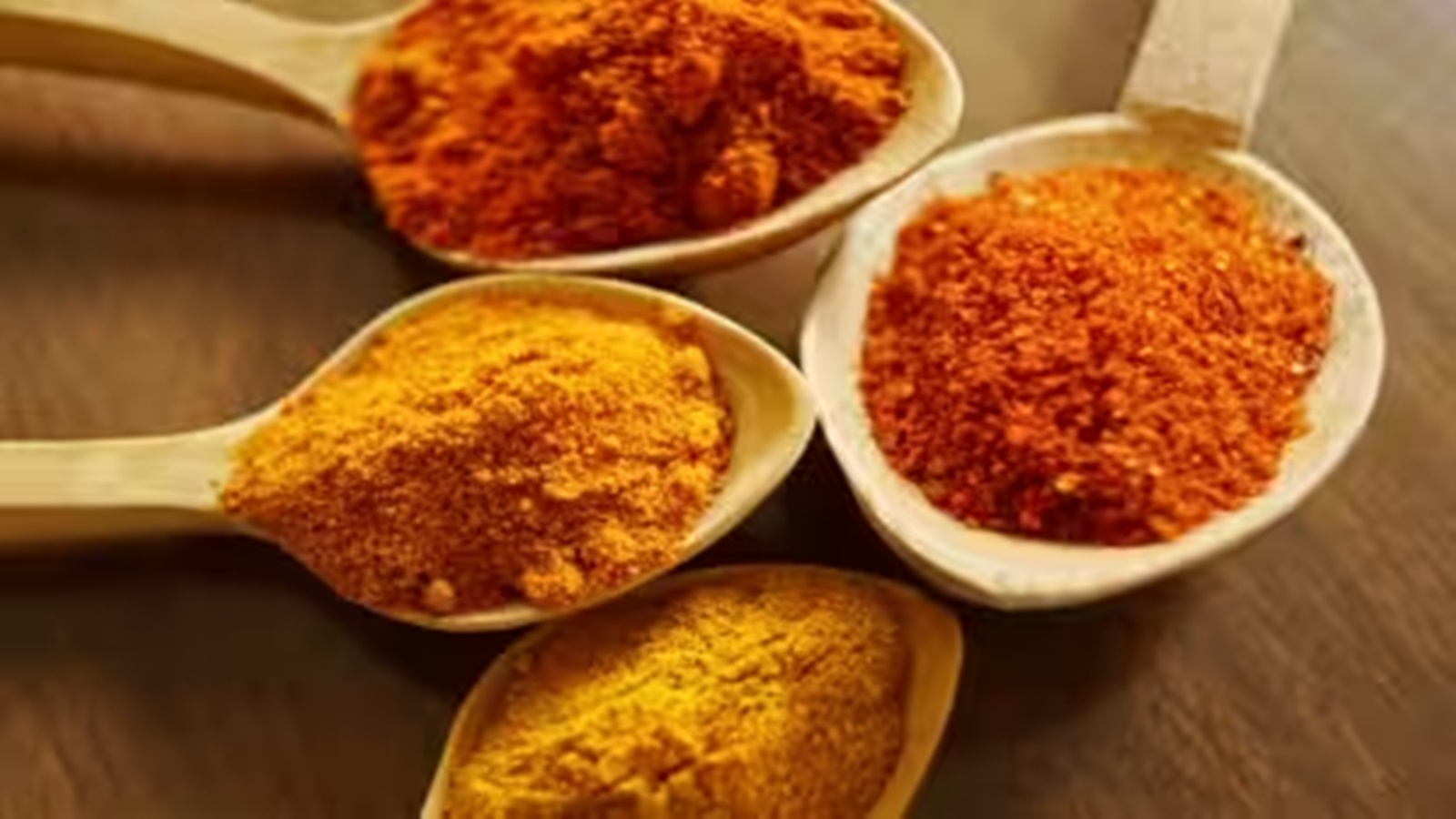 While MDH and Everest are household names in India, their spices are raising concerns internationally. (Representational Photo)
India’s Food Safety and Standards Authority (FSSAI) is also taking action. They have initiated quality checks on MDH and Everest products and requested further information from the food safety regulators in Hong Kong and Singapore.
While MDH and Everest are household names in India, their spices are raising concerns internationally. These brands face scrutiny in New Zealand, the United States, and Australia as well. Jenny Bishop, an official with New Zealand’s food safety regulator, highlighted to Reuters the potential dangers of ethylene oxide and confirmed they are investigating the issue.
This situation underscores the importance of ensuring food safety standards across the global food supply chain.
According to Malhotra, there is no way for consumers to determine the faulty products.
● Safety of using the products: Given the health risks associated with ethylene oxide, it is advisable to avoid using the banned spice products until further clarity is provided by regulatory authorities.
● Consumer Awareness: Consumers should be cautious and opt for spices from reputed establishments to ensure product safety and quality.
● Regulatory Oversight: The need for robust regulatory measures and proactive testing to ensure the safety of food products is crucial to prevent such contamination issues in the future
Malhotra recommended prioritising the use of whole spices, whenever possible. Grinding spices at home allows for better control over ingredients and freshness, she added.