Journalism of Courage



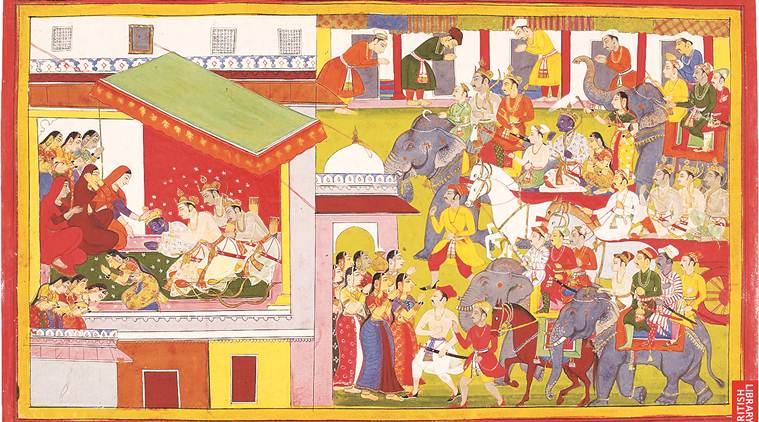 A Rajasthani miniature painting by Sahib Din that showcases Lord Rama reuniting with Bharata and Satrughna. They enter Ayodhya and drive through the bazaars to the palace where they are received by their mothers. (Photo: Wikimedia Commons)
Corporate Chef, Chor Bizarre
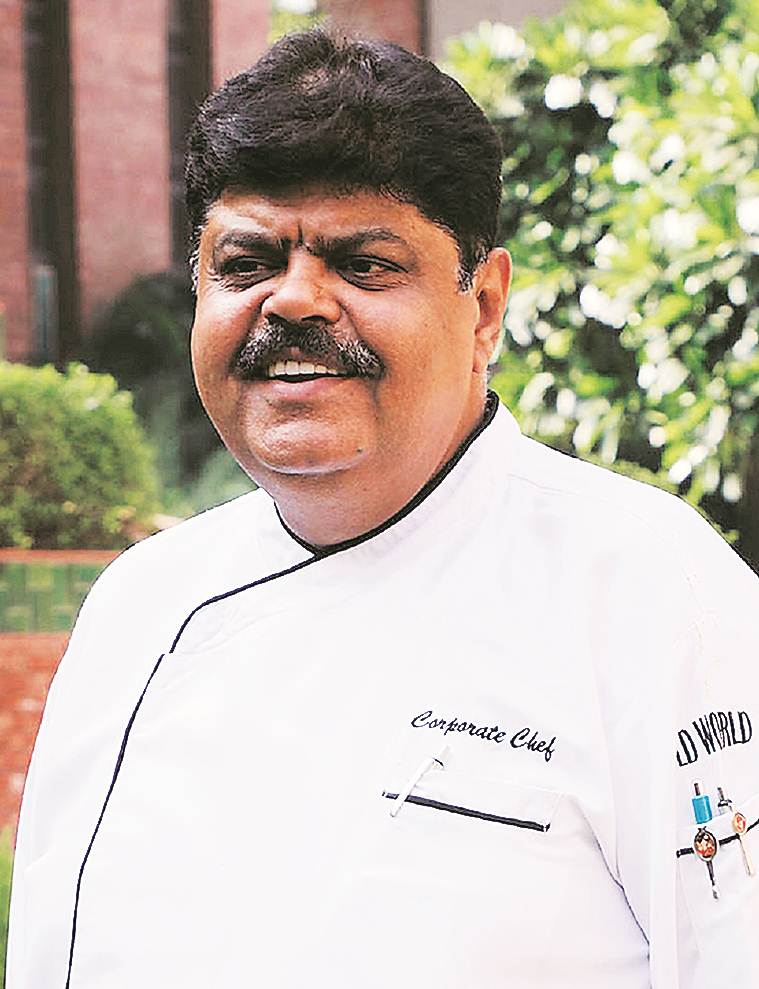 Rajiv Malhotra
I grew up in a joint family in Sonipat and Diwali was a big celebration in our house. Everyone was there — grandparents, aunts, uncles and cousins — and a lot of people would visit throughout the day. My mother, grandmother and aunts would make sweets, especially besan ki barfi, and garnish the barfi with muskmelon seeds. These would have been collected in glass jars through the year just for the purpose of liberal usage in the barfi.
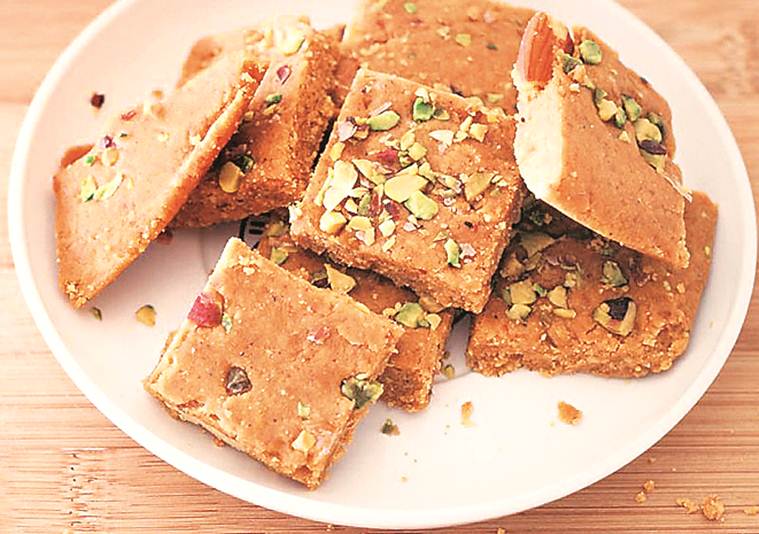 Besan Barfi
We would also have lauki ka halwa, sooji ka halwa, moong dal halwa, and makhane ke kheer, with lots of chironji and dry fruits added to it. You don’t get imartis so easily these days, but back then, we would also have lot of imartis. It’s not so easy to make them at home, so we used to get these from the halwai. There was the prashaad, which would be jalebis and raw milk. This is a Punjabi tradition. These days, people stay away from sweets, so many people prepare or gift savoury snacks. In my childhood, this was simply not done. It had to be sweets. After all, Diwali is the festival of sweets.
Folk singer
 Chandan Tiwari
In folk songs, especially the ones in UP and Bihar, most of the stories that revolve around Lord Ram are to do with either his marriage or the separation period. Ramjiyavan Das Bawla, who is known as Tulsidas of Bhojpuri, poet Snehlata who considered Janaki (Sita) her friend, and saint poet Narayan Das Bhaktmali better known as Buxor Wale Mamaji — all three were focussed on Ram’s exile. Despite the battle of Lanka being so significant, they were not interested in writing about the warrior Ram or the gallant Ram, they instead focussed on Ram’s disposition as a child, as a young boy, as a lover, as a bridegroom, and as a son-in-law. There are very few songs that are centred around his return to Ayodhya. For example, Saanwala sarkaar haste haste aaya. This is sung on two occasions — at Ram Navmi and then at Diwali. At a very basic level, a lot of folk songs focus more on Ram’s personality in all its gentle tones, much more that on him as a king or as a warrior. Poets like Musa Kaleem sang of Ram Rajya. Its context and reference may have been different but the imagination is that of the Ram Rajya.
Artist
 Madhvi Parekh
I grew up in Sanjaya village near Ahmedabad. During my childhood, Diwali was very different from how we now celebrate it in the city. Decorating the house was an important part of the festivities and we would begin with cleaning the walls of the house with cow dung. For us the celebrations would begin on Dhanteras. There was no colour available, so the rangoli would be made using sieved white chuna, haldi and kumkum. I recall making simple designs, usually flowers and swastika, or writing ‘shubh laabh’ or ‘padhaaro’. We would even colour the horns of the cows. We used to wear new clothes, burst a lot of crackers and prepare delicacies such as moong dal papad, besan ladoo, and gujhiya. That experience has stayed with me. Even now, sometimes I feel that the way I make borders or even the flowers that I paint is how I worked on the rangoli patterns.
Theatre director
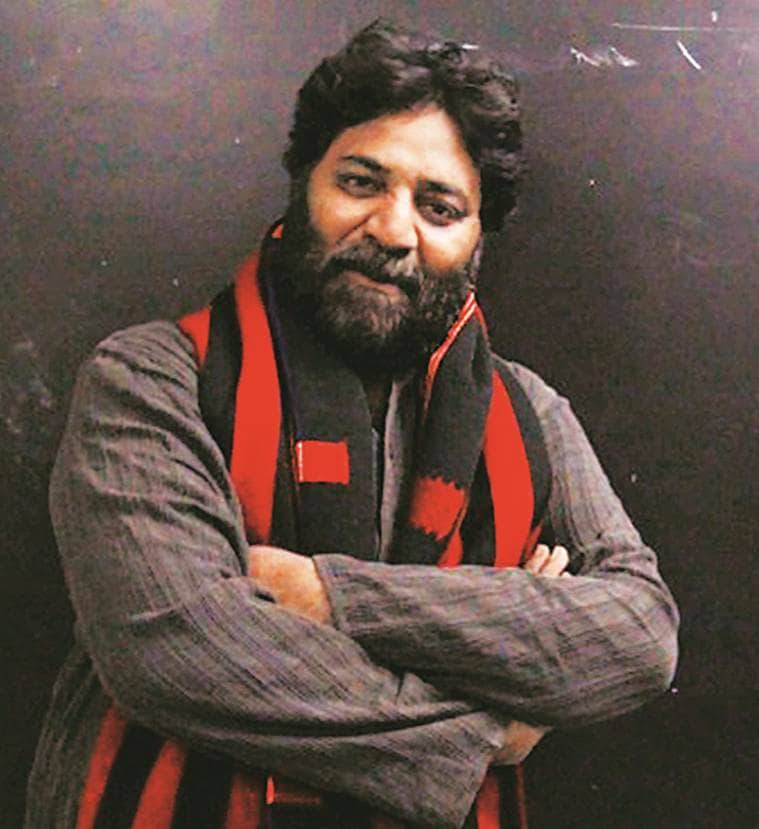 Lokesh Jain
Growing up in old Delhi, my childhood memories of Diwali are associated with the craftsmen there. They would create these small toys made of clay that would be sold at places like Sitaram Bazaar. These included statues of Guru Nanak, Mahatma Gandhi, BR Ambedkar, Subhash Chandra Bose, Maulana Abul Kalam Azad and Jawaharlal Nehru, alongside Ganesh and Laxmi. There used to be these small toy replicas of freedom fighters from different religions that symbolised peace and we would decorate our houses with them.
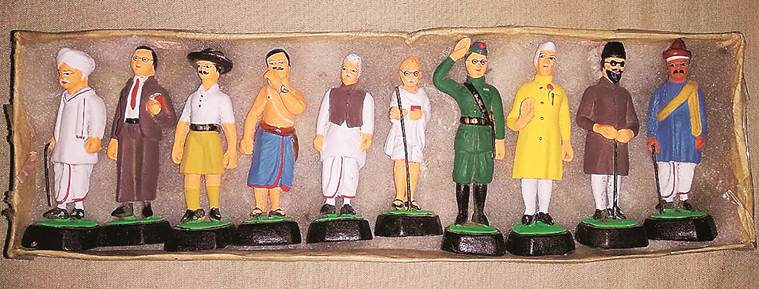 The clay replicas of various freedom fighters
There was a whole world hidden there. Being a Jain, Diwali also marks the day when Lord Mahavir attains nirvana. The sweet shops would sprout on the road near our home like one sees in The Arabian Nights. There were kilos of sweets such as petha, motichoor ke ladoo and others stacked up. Interestingly, I was fascinated by the way the porters who carried sacks of goods in purani Dilli celebrated Diwali and sang songs in Awadhi and Bhojpuri. It was just not limited to the middle class or the upper class; I was intrigued by ‘Majdooron ki Diwali’ and how they celebrated it. They would decorate their thelas and rickshaws with flowers and diyas. Also, the local eunuch community and folk musicians would go from one house to the other asking for money.

 5 min read