This is an archive article published on January 8, 2021
Hours after Madras HC order, Tamil Nadu govt revokes decision to permit 100% occupancy in theatres
The government order allowing 100 per cent occupancy had come ahead of the release of Tamil star Vijay’s latest movie, Master, which is scheduled to be released on January 13.
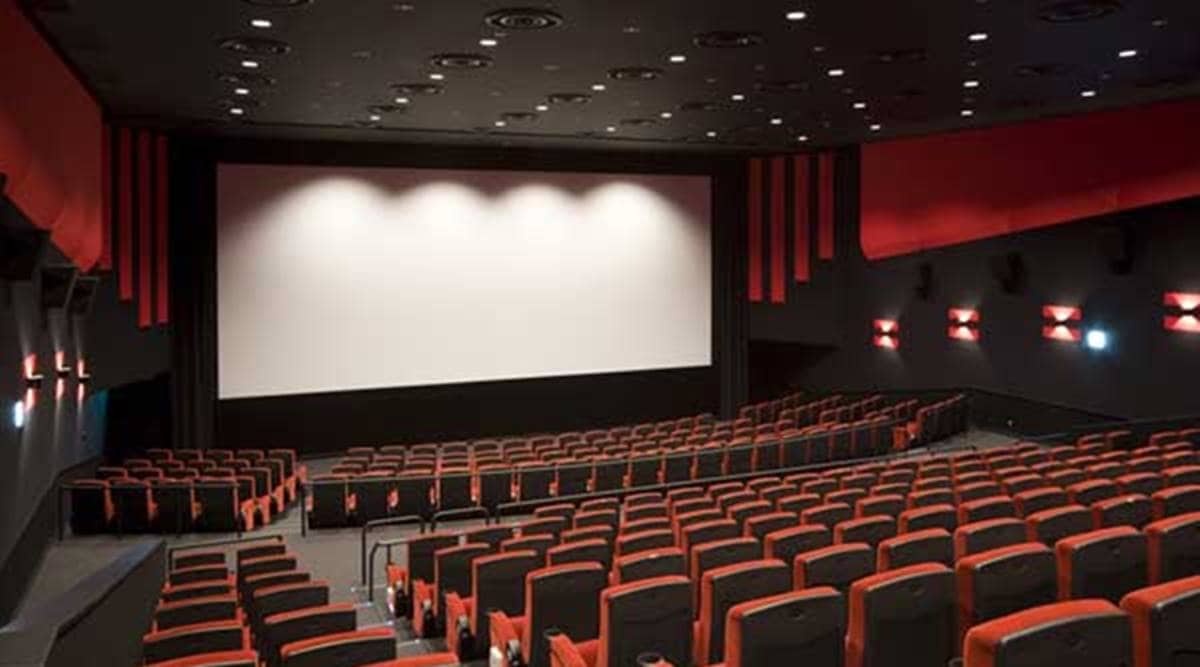
Cinema halls, multiplexes, theatres, rangamandiras (where drama and performing art events take place), auditoriums and similar places have been permitted to operate with 50% capacity from July 19. (File Photo)
Hours after the Madras High Court stayed a state government order allowing 100 per cent occupancy in theatres and multiplexes reminding the prevailing pandemic situation, the government decided to revoke its own order “considering the safety of people”.
On Friday evening, the government in a statement said the decision to allow 100 per cent occupancy was taken as the number of cases have been coming down.
Following the controversial government order, which was questioned by public health experts, the Union Home Secretary on January 5 had sent a letter to the state chief secretary to act according to the guidelines. And on Friday, Madras HC stayed the government decision asking the government to not permit more than 50 per cent occupancy till January 11.
The government order allowing 100 per cent occupancy had come ahead of the release of Tamil star Vijay’s latest movie, Master, which is scheduled to be released on January 13.
Earlier, the actor had also requested the government to increase the occupancy from 50 per cent to 100 per cent for a better business and recovery of money. Vijay had a meeting with Chief Minister Edappadi K Palaniswami at his residence with the same request. After the government order had come, there were posters by Vijay fans thanking CM Palaniswami for his decision facilitating a successful mega release of the movie.
Followed by the Union Home Ministry’s letter, what forced the government to revoke the order finally was Madras HC division bench’s observation on a batch of three petitions arguing that the state government order was violating the Disaster Management Act and guidelines issued by the central government.
“We are dealing with the Covid-19 pandemic situation which does not bother about the economic factors and territories such as district, state or country,” the court observed.
Quoting petitioners, the judges also asked the state government to consider ideas such as increasing the number of shows instead of occupancy. But the court added that increasing the number of shows should ensure sufficient time to sanitise cinemas. The case was adjourned to January 11 for further hearing.
The release of Master is considered as the first and the biggest Indian movie release following the pandemic. The release plan, simultaneously at about 1,000 theatres, was expected to revive the entire film industry and pave for the release of several movies pending for release from last April.
S Thanu, president of the Film Federation of India, wrote to Union Home Minister Amit Shah two days ago raising concerns of the industry. He said there were about 500 movies ready for release across India and that the 50% occupancy rule in cinemas was not “feasible and economically viable” for recovery (of money). His letter to Shah noted that airlines, buses and trains are allowed at 100% occupancy and argued that the atmosphere in theatres are “more safe, sheltered and secure in comparison to the transport sector.”
He said the lockdown has affected the film industry and requested to permit 100 per cent occupancy at least during the holiday seasons in different states “to help the ailing industry.”
Arun Janardhanan is an experienced and authoritative Tamil Nadu correspondent for The Indian Express. Based in the state, his reporting combines ground-level access with long-form clarity, offering readers a nuanced understanding of South India’s political, judicial, and cultural life - work that reflects both depth of expertise and sustained authority.
Expertise
Geographic Focus: As Tamil Nadu Correspondent focused on politics, crime, faith and disputes, Janardhanan has been also reporting extensively on Sri Lanka, producing a decade-long body of work on its elections, governance, and the aftermath of the Easter Sunday bombings through detailed stories and interviews.
Key Coverage Areas:
State Politics and Governance: Close reporting on the DMK and AIADMK, the emergence of new political actors such as actor Vijay’s TVK, internal party churn, Centre–State tensions, and the role of the Governor.
Legal and Judicial Affairs: Consistent coverage of the Madras High Court, including religion-linked disputes and cases involving state authority and civil liberties.
Investigations: Deep-dive series on landmark cases and unresolved questions, including the Tirupati encounter and the Rajiv Gandhi assassination, alongside multiple investigative series from Tamil Nadu.
Culture, Society, and Crisis: Reporting on cultural organisations, language debates, and disaster coverage—from cyclones to prolonged monsoon emergencies—anchored in on-the-ground detail.
His reporting has been recognised with the Ramnath Goenka Award for Excellence in Journalism.
Beyond journalism, Janardhanan is also a screenwriter; his Malayalam feature film Aarkkariyam was released in 2021. ... Read More
A day after his derogatory comments on women and female co-stars, Telugu actor Sivaji has now apologized for the same. In a video on X, he claimed he used two “unparliamentary” words “inadvertently” during his speech at an event of the film Dhandora on Monday. His apology comes hours after the Telangana State Commission for Women on Tuesday summoned him to appear before it on Saturday.


 3 min read