Journalism of Courage



 A Constitution Bench comprising Chief Justice of India (CJI) DY Chandrachud, and Justices Sanjay Kishan Kaul, S Ravindra Bhat, Hima Kohli and PS Narasimha heard both sides of the argument for 10 days earlier this year and reserved its verdict. (File)
 Before boarding his flight from Los Angeles International Airport, Udit Sood tells us about the first thing he will do when he lands at the Indira Gandhi International Airport in New Delhi on the morning of 17th October — take a cab straight to the Supreme Court of India.
“My flight will land around 9 am, so I am not sure if I will be on time. But the whole effort is worth it,” says the US-based lawyer.
In a way, the nearly 13,000 km journey to India’s highest court of justice is symbolic. Udit is among the 21 petitioners, including same-sex couples, trans people and organisations, who are seeking marriage equality in India. The Supreme Court verdict on their petition is awaited.
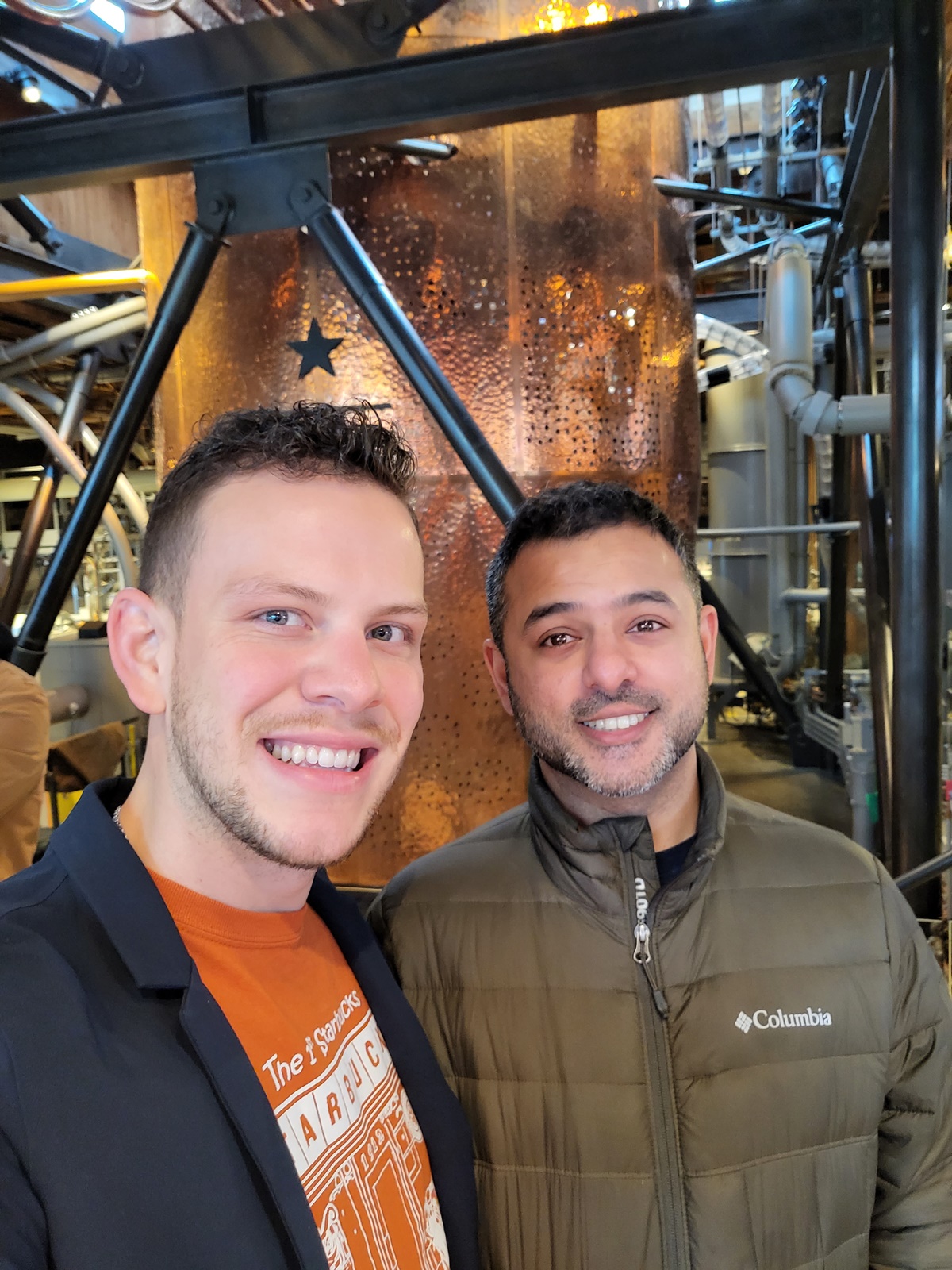 Udit Sood (right) and Andrew Ryan Hall (left) (Courtesy: Udit and Andrew)
A Constitution Bench comprising Chief Justice of India (CJI) DY Chandrachud, and Justices Sanjay Kishan Kaul, S Ravindra Bhat, Hima Kohli and PS Narasimha heard both sides of the argument for 10 days earlier this year and reserved its verdict. The judgment is expected before October 20, as one of the member judges — Justice Bhat — will demit office by that date.
“It has been such a long journey and we stand on the shoulders of so many queer rights activists who came before us. Even five years ago, the idea of marriage equality seemed almost impossible, but today we are so close to it,” says Sood.
Fellow petitioners Kajal and Bhawna plan to take a day off from work and travel from the town they live in to be at the Supreme Court for the hearing. And if the verdict is favourable, they plan to get married immediately after. Hounded by their families, the runaway couple have moved in and out of shelter homes and rented houses for the past few years.
“When I speak to my parents, even now, they suggest that this cannot be a permanent thing. I need to wake up from this madness and get married. I want to get married, but to Kajal and I want to prove them wrong,” says Bhawna.
Fearing persecution from Bhawna’s parents, the couple have not told their family and friends where they live and work. “But if the judgment is favourable, we won’t waste a moment. We will go and start the legal proceeding immediately after. We will keep garlands and sindoor handy,” says Kajal.
Utkarsh Saxena, who is a petitioner and also a lawyer on this case, will obviously have a busy day at court. But he will join Bhawna and Kajal in their hunt to start the marriage proceeding immediately after a favourable judgment.
“My partner Kotia will be there with me. Our family will also be there. We don’t want to waste any time,” says Saxena.
For Saxena and Kotia, this will be a fruition of a decades long partnership. They met at Hansraj College, Delhi University in 2008 as two young undergrads (both were active debaters and interested in politics and economics). A romance bloomed and they’ve been together since. “Early on, we knew we were going to be together. We knew that this companionship was really important for both of us and we put in extra effort,” says Saxena.
But there are many like Minakshi Sanyal (Malobika), co-founder of Sappho For Equality, an organisation working for the rights of lesbians, bisexual women, and trans men in eastern India, who might choose not to get married to her partner of decades.
Anxious and deliriously hopeful “I do not have such grand plans, but I will be the happiest if the judgment is favourable. I have been attending calls all week from members of the community. Some are anxious and nervous, some are deliriously hopeful. I am trying to play the dual role of giving them hope and asking them to be cautious,” she says.
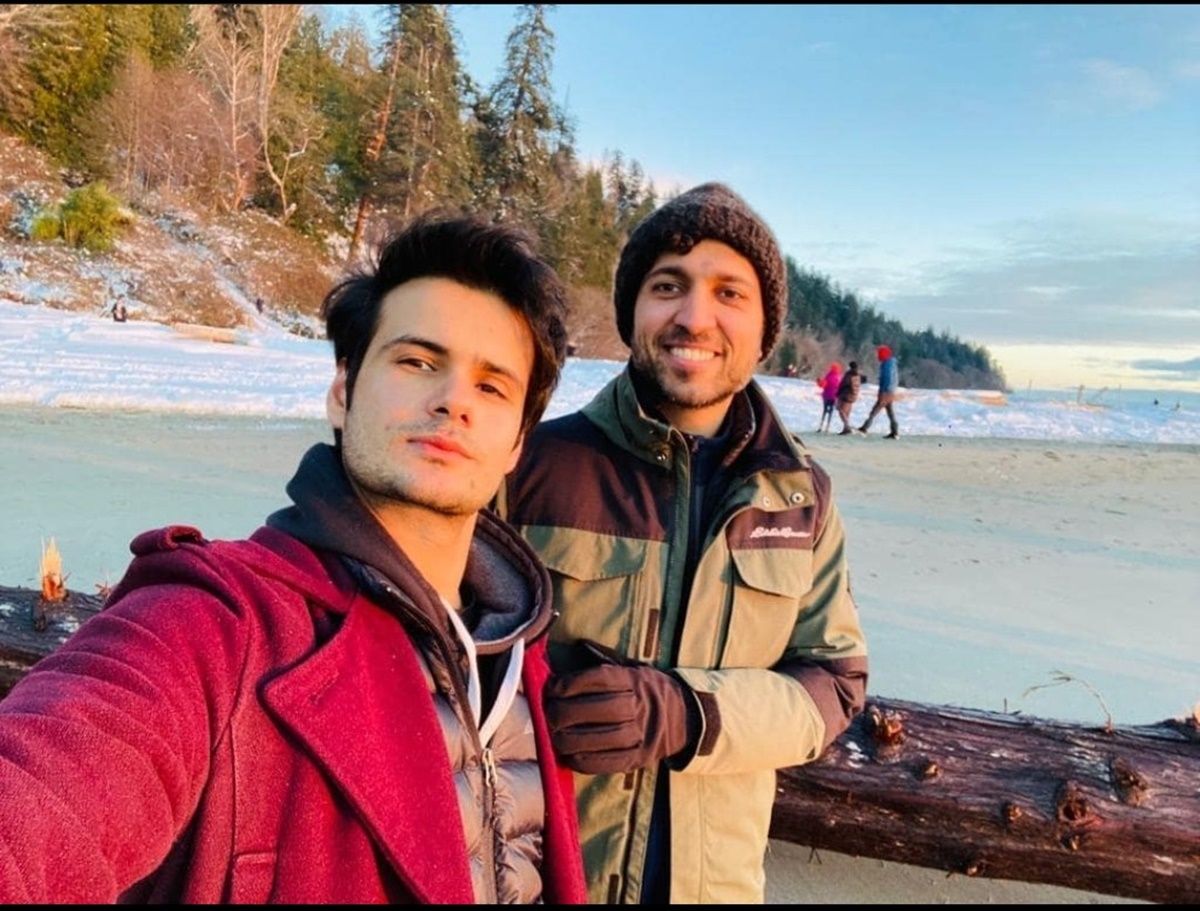 Sattvic (behind) and Gaurav Bhatti (front). (Courtesy: Sattvic and Gaurav)
Maya Sharma, an LGBTQIA activist from Vadodara and a petitioner in the case, doesn’t believe in the institution of marriage too, but she is hopeful about a favourable verdict.
“Marriage is too unequal an institution. There is no equality in it, especially in India. We are socialised to accept this inequality. But since the queer community has no fallback arrangement for old age and sickness, marriage itself becomes critical. Because of all this, marriage is not ideal, but it is one way of negotiating the inequality that the queer community faces,” she says. The 73-year-old, who lives with her partner, feels that a partnership is a better option. “I feel if marriage equality is achieved, people will think of more equal relationships than marriage. This will be a beginning,” she says.
Her mood now is of cautious optimism. “I have a feeling it will be favourable. The way the hearings went, makes me feel that it will work out for us,” she says.
Saattvic, whose petition highlights the gay brain drain that this inequality begets, lives in Vancouver, Canada, now and is contemplating taking a flight to India to be in the Supreme Court to hear the judgment in person.
“When I moved here in 2020, I was partnered. We have now parted ways, but I am so glad that I could be a part of this historic process. This is a seismic shift in the LGBTQIA movement of the world. We are the most populous country in the world, and for us to grant marriage equality is a huge step,” says Saattvic.
In 2020, Saattvic, an economist, moved out of the country because he felt he was not allowed equal rights to live a life of dignity. “It was a terrible decision to take, when it comes to family and professional life, but we had no choice. But my petition also highlights the economic dimension to it. It’s hampering our growth. The country is losing out on assets who would have contributed to nation building,” says Saattvic.
If the judgment is favourable, Saattvic might reconsider his decision to build a life outside the country. “Not just mine, it will (also) change the lives of millions of others. And even if the verdict is not in our favour, we will tend to our wounds and keep fighting,” he sums up.

 7 min read