© The Indian Express Pvt Ltd
 4 min read


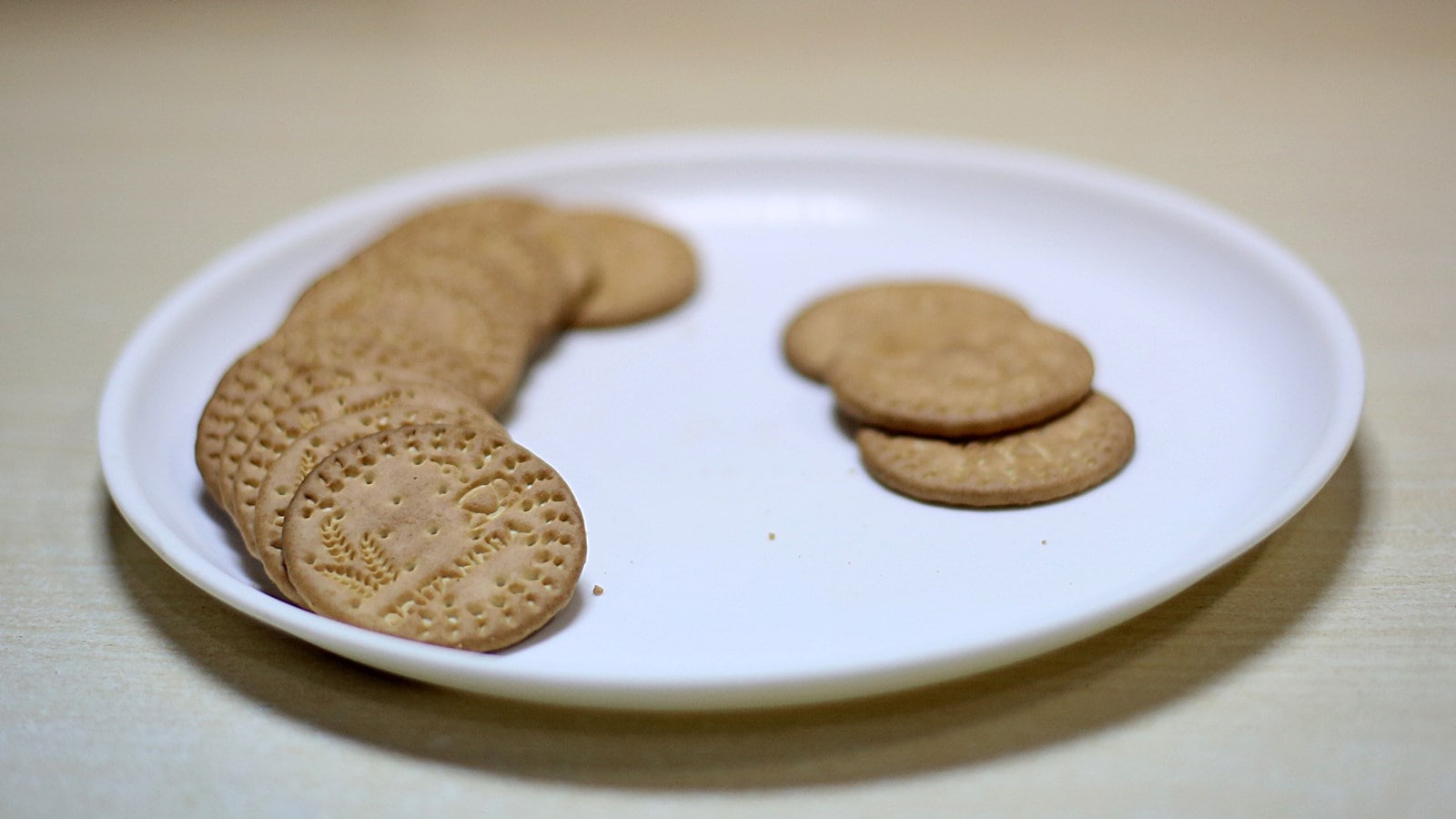 Sugars present in our diet get quickly metabolised by bacteria and an acid is formed as a byproduct. This acid creates an environment in your mouth that causes the tooth to slowly lose its mineral content and form micro-cavities that become larger as time progresses. (Representational/ Express archive photo by Deepak Shijagurumayum)
 Written by Dr Gopi Krishna
Did you know that you could save your teeth from extraction and cut down on expensive root canal procedures provided you watch your sugar intake early enough? Sugars present in our diet get quickly metabolised by bacteria and an acid is formed as a byproduct. This acid creates an environment in your mouth that causes the tooth to slowly lose its mineral content and form micro-cavities that become larger as time progresses. This process is reversible if a person reduces the frequency of sugar consumption and develops good oral hygiene.
It all begins with dental caries, or tiny holes on the surface of the teeth. These take about 13 months to reach the nerve inside the tooth cavity near the roots. The root canals travel from the tip of the root into the pulp chamber. Once the damage reaches the nerve, you experience pain and swelling. Then an extraction or root canal therapy becomes the only option. But watching your sugar intake and being mindful about dental hygiene earlier can spare you a consult and procedure, costing no less than Rs 10,000 per tooth.
Half of the adult population worldwide have at least one diseased tooth with apical periodontitis (AP) or local inflammation caused by dental caries. A study done by our team in India found close to two-thirds (65 per cent) of the adult population have at least one tooth with apical periodontitis. Yet all of this is preventable if you follow some simple steps:
1. Reduce frequency of snacking: When it comes to dental health, the quantity of sugary foods is not as harmful as the frequency at which you have them. So a person, who has a cookie at 11 am, a biscuit around tea time at 4 pm and a dessert after dinner, is more prone to tooth decay and infection than a person who takes one big portion of sweet once a day. The repeated sugar intake allows it to stay and interact with the bacteria within the dental plaque to produce high acid levels. So having sweets is not harmful if one keeps the frequency of consumption in check and brushes one’s teeth within one hour of consumption.
2. Brush your teeth at night: The bacteria in our mouth become active after we eat our food and also during the nights when we have reduced saliva in our mouths. Hence brushing before going to bed is an excellent habit to avoid dental diseases and decay. Unfortunately, the culture in India emphasises brushing in the morning. In fact, your teeth do not get impacted much if you skip brushing it during the day.
3. Keeping the mouth hydrated is a natural way of avoiding dental diseases: This is especially important as we grow older. That’s when our salivation reduces, especially if you are taking multiple medications (for common ailments like blood pressure, sugar and cholesterol). Hence, sipping water every two to three hours is a good way to keep our mouth cleaner and more hydrated thereby preventing dental diseases.
4) Go for a periodic dental check-up and cleaning: In India, where there is no insurance cover for smaller dental procedures, it would be worthwhile to invest anything between Rs 500 and Rs 800 for dental cleaning. Saving your teeth is not a tall order but about regulating some daily practices.