© The Indian Express Pvt Ltd
 4 min read


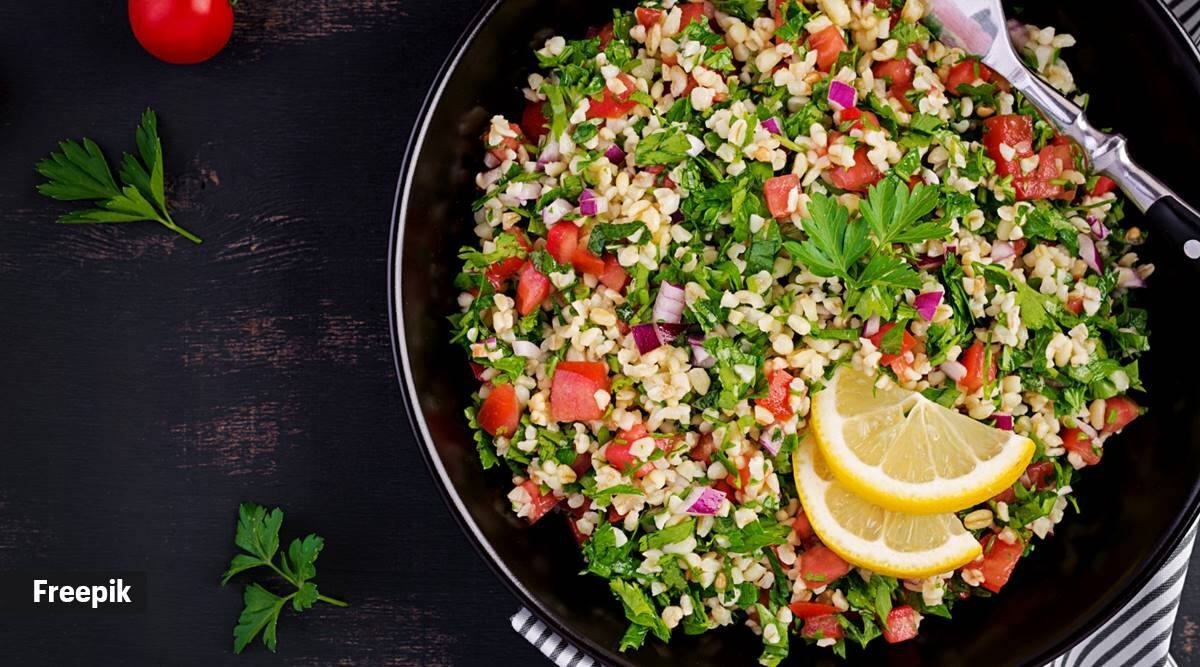 The protein concentration in quinoa ranges between 14 per cent and 18 per cent (Source: Freepik)
Are you worried about overcoming the sugar-induced cravings of rice and wheat? Then you may find a healthier replacement in quinoa, which, with its mild and nutty flavour, is similar to the texture of rice, particularly that of brown rice. Although quinoa is a seed, originally hailing from the diverse landscapes of South America, it can easily masquerade as a grain.
AS A PROTEIN, IT LENDS HEFT
In the realm of nutrition, quinoa stands as a formidable contender, boasting a protein content that eclipses most traditional cereals. The protein concentration in quinoa ranges between 14 per cent and 18 per cent, surpassing rice at eight per cent and even wheat at 14 per cent. What sets quinoa apart is its status as a complete protein source, embodying all nine essential amino acids that our bodies are incapable of producing independently. This remarkable attribute makes quinoa an invaluable addition to diets seeking to enhance protein intake.
FIBRE CONTROLS CHOLESTEROL, BLOOD SUGAR
Furthermore, quinoa distinguishes itself with its carbohydrate composition, containing a modest 69 grams per 100 grams, in contrast to 80 grams per 100 grams in rice. Notably, quinoa offers 14–20 per cent dietary fibre, with approximately one-third, or 30 per cent, being soluble fibres. Soluble fibre has the remarkable ability to form a gel-like substance, which can actively reduce blood cholesterol and blood glucose levels. Due to its elevated fibre content and lower carbohydrate load relative to grains like rice, quinoa has earned recognition for its health benefits, especially for individuals dealing with diabetes, heart conditions, weight management concerns, or those afflicted with irritable bowel syndrome (IBS) or Celiac Disease, as it is entirely gluten-free.
It has a low glycemic index and is slow-digesting compared to other grains like rice and wheat. Hence, the release of glucose from these foods into the bloodstream is delayed.
The dietary fibre and protein load increases metabolism, keeps you feeling full longer, stalls random snacking that usually adds empty calories, improves gut bacteria, all of which can help you lose weight.
HOW MUCH SHOULD ONE EAT FOR MAXIMUM BENEFIT?
Calorically speaking, quinoa holds its own, aligning closely with rice at around 370-390 calories per 100 grams. This similarity underscores the importance of portion control, as mindful consumption is key. Nutritionists often recommend one to two servings per meal, which typically translates to 20-40 grams, ensuring that you relish the benefits without overindulging.
Incorporating quinoa into your diet is a breeze, thanks to its versatility. This exceptional seed can be effortlessly boiled and added to salads, employed to thicken hearty soups, or even transformed into a nourishing breakfast porridge. It serves as a commendable substitute for rice in various recipes, and its small, tender seeds cook swiftly, saving you precious time in the kitchen.
HOW TO INCREASE ABSORPTION OF NUTRIENTS?
However, it’s essential to exercise prudence when consuming quinoa due to its natural content of phytic acids and oxalates. These compounds can hinder the absorption of certain vital nutrients, necessitating thorough soaking before cooking. Additionally, raw quinoa is enveloped in saponin, a toxic soap-like substance that can bind with minerals, impeding their absorption. To mitigate these concerns, rinse quinoa meticulously under running water before cooking. The cooking process enhances its digestibility, ensuring your body fully capitalises on the wealth of nutrients quinoa has to offer.
Despite its numerous merits, quinoa possesses a distinctive nutty, mild flavour profile that may not seamlessly integrate into traditional Indian cuisine as a rice substitute. Rather than viewing quinoa as a replacement for rice, it thrives as a complementary addition to our cherished culinary traditions. Incorporating it as a salad or side dish can unlock its true potential, enriching our meals with both flavour and nutrition. Perhaps then a transition will be easier.