3 min read
© The Indian Express Pvt Ltd



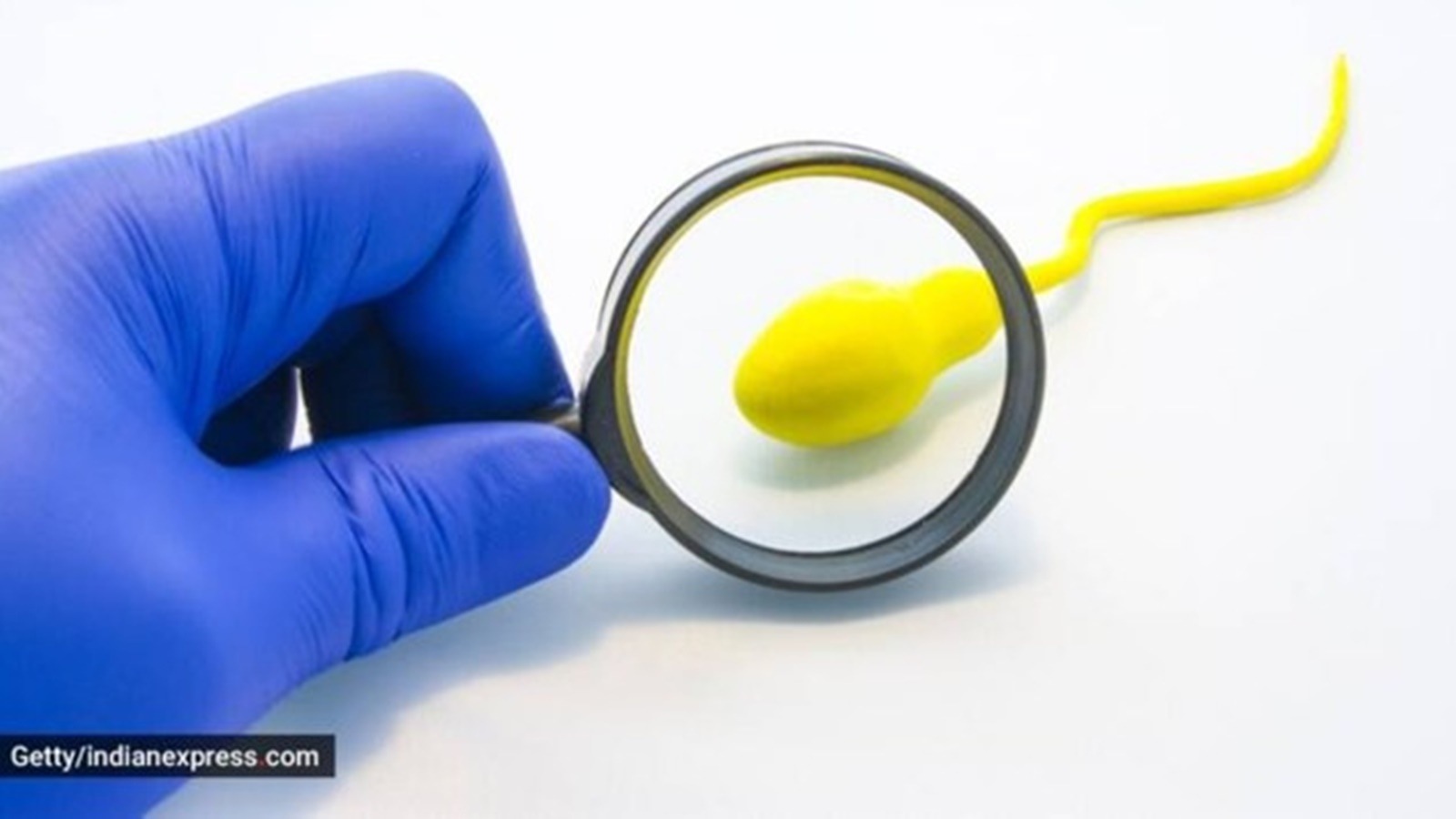 The team found 12 types of microplastics in every sample of 23 human testes and 47 dogs. (Representational image)
Next time you drink water out of a plastic bottle, decide to microwave your plastic tiffin box or pack your favourite salad in a cling film, know that tiny bits of breakaway plastic enter your body that can slowly weaken your sperms, affecting your fertility.
Researchers at the University of New Mexico analysed tissue samples from both dogs and humans and detected microplastics — tiny polymers shed by plastic when heated that leach into our food and water — in all of them. The team found 12 types of microplastics in every sample of 23 human testes and 47 dogs. Since the human testicles had been preserved, their sperm count could not be measured. However, the sperm count in the dogs’ testes could be assessed and was lower in samples with higher contamination with PVC. The study demonstrates a correlation but further research is needed to prove microplastics cause sperm counts to fall.
According to Dr Uma Vaidyanathan, senior consultant, obstetrics and gynaecology, Fortis Shalimar Bagh, New Delhi, microplastics are known to interfere with the functioning of hormones, including those related to reproductive health. Excerpts:
Microplastics are endocrine-disruptors, which means they mimic, block or interfere with the body’s hormones, which are part of the endocrine system. Healthy hormones are essential for a healthy endocrine system, which controls biological processes like growth, fertility and reproduction. But they act in extremely small amounts, so even minor disruptions in those levels may cause significant developmental and biological effects. Endocrine disruptors are now proven to be the foremost triggers of polycystic ovarian disease (PCOD) and infertility in young couples. In recent years, male semen quality has also been declining. Effects depend on the size and molecular structure of microplastics.
These trigger inflammation and oxidative stress, which imbalance free radicals (cell destroyers) and antioxidants (cell protectors). More free radicals disrupt production of sperm cells and affect their quality.
Drinking and eating from plastic cups, bottles and containers. Microplastics are also released while burning plastic waste, so they are dispersed in the air and people breathe them in. Once they enter your body, they end up circulating in the bloodstream. As blood supplies every tissue and organ, microplastics can diffuse easily anywhere.
Research is still on and more widespread human studies are needed since the sample size is small. But the findings are alarming. We should henceforth take care of plastic use and chemical exposure during early childhood, when a human’s reproductive systems are developing and growing.
A group of scientists has found that an in-utero exposure to microplastics at low and high doses in rodents induced the development of ovarian cysts in their mature offspring (i.e., 18 months of age).
Mothers need to be cautious about plastic use as their milk can pass on microplastics to their babies while breastfeeding. Reduce the exposure of toddlers to plastic toys and fabrics as they are prone to tasting, licking and chewing them. Toys also contain harmful plastic additives.