3 min read
© IE Online Media Services Pvt Ltd



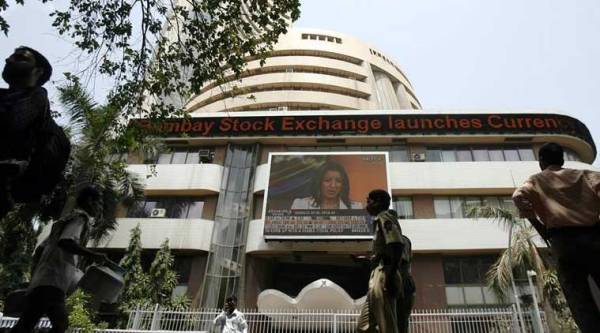 The BSE Sensex on Wednesday noon plunged by 434 points.
Indian stock markets have plunged to a 20-month low as a relentless slide in oil prices and a slowing Chinese economy worry investors.
Stock markets and the rupee are now back at the level before the Modi Government took charge in Delhi. The BSE Sensex on Wednesday noon plunged by 434 points, or 1.77 per cent, to 24,045.37 and the NSE Nifty Index fell by 137 points, or 1.85 per cent, to 7,297.40. Sensex, which closely tracks other global markets, is now down by over 6,000 points from its all-time peak level of 30,024.74 points touched on March 4, 2015.
The rupee fell to a more than two-year low of 68 on Wednesday, inching closer to a record low of 68.85 hit in August 2013.
Why are the markets volatile? Lower oil prices, volatile currencies and the slowdown in China are the major factors currently dampening investor sentiment across the globe. The IMF has revised world GDP growth forecast to 3.4 per cent for 2016, but it has been factored by markets globally.
Crude oil, which was at $ 133 per barrel seven years ago, is now at its lowest since 2003 after the world’s energy watchdog warned the market could “drown in oversupply”. U.S. futures shed nearly 3 per cent to $27.68 while Brent crude lost 2 per cent to $28.21 a barrel.
Chinese worries are adding to the bearishness. The volatile relationship between the yuan and the US dollar is also impacting sentiment. China is making moves to devalue its overvalued currency, leading to a global tightening. If China draws down its foreign exchange reserves by $ 100 billion a month, that’s like global tightening, analysts say.
India is battling its own problems. Foreign investors have been pulling out money from Indian markets. They sold stocks worth Rs 3,500 crore in January alone. The withdrawal had accelerated after the US Fed hiked interest rates for the first time recently. Adding to the confusion, Indian exports are plunging on a monthly basis in the wake of the global demand slowdown. Further, markets don’t expect any significant cut in interest rates by the Reserve Bank of India as food inflation is still high.
It it these bearish prospects atleast in the near term which is leading to this slide.