3 min read

Journalism of Courage



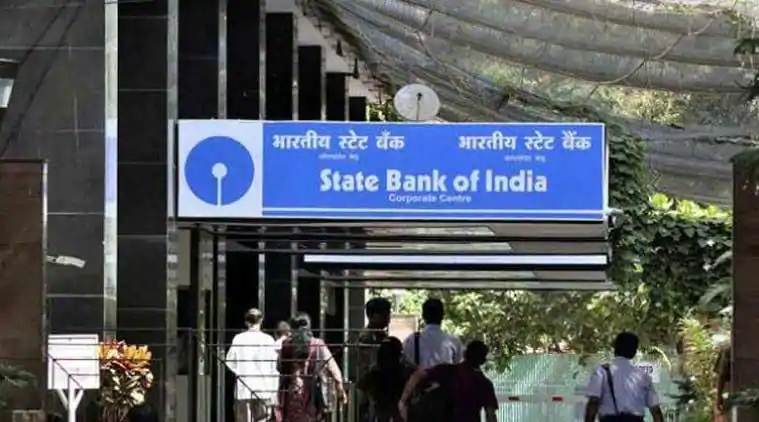 The SBI move will ensure that as and when RBI cuts its policy rates, there is an immediate transmission of that reduction in lower market rates. (Representational Image)
The country’s largest lender State Bank of India (SBI) will kickstart a new interest rate regime Wednesday, under which it will link its rate on savings account with a balance above Rs 1 lakh and short-term loans to the Reserve Bank of India’s (RBI) repo rate. SBI had in March announced this decision, which is effective from May 1.
On savings accounts with deposits above Rs 1 lakh, SBI will be providing interest rate to customers that is 275 basis points lower than the Reserve Bank of India’s repo rate, resulting in effective rate of 3.25 per cent per annum as against the 3.5 per cent rate prevalent currently. Accounts with deposits up to Rs 1 lakh will continue to get 3.5 per cent rate.
The SBI move will ensure that as and when RBI cuts its policy rates, there is an immediate transmission of that reduction in lower market rates. As deposit rates come down, the bank will be in a position to lower lending rates as well. SBI has taken the lead in assisting the RBI’s efforts towards improving interest rate transmission in the economy. So rates will react swiftly to regulatory moves on both sides. While SBI’s move may provide better rate transmission, it also risks losing deposits to other private sector banks which are paying much better (4-6% range) rates to savings account holders.
From May 1, SBI will also link short-term loans such as cash credits and overdraft with limits above Rs 1 lakh to the repo rate, plus a spread of 2.25 per cent; effectively resulting in floor rate of 8.25 per cent. The bank will also charge a risk premium over and above this rates based on customer’s profile. While these short term rates are being linked to repo rate, home loan rates will still be determined by the marginal cost of funds-based lending rate, or MCLR.
However, as SBI’s deposit cost will decline as a result of the new regime, its MCLR should fall to some extent, providing some scope for lowering home loan rates. Last December, the RBI had asked banks to link their rates to an external benchmark, while giving them the freedom to chose the benchmark.