This is an archive article published on October 8, 2021
Explained: Amid Covid-19 pandemic, how Kerala changed exam pattern to help students
The impact is apparent in the results. In 2021, as many as 502 students of the state board exam had full marks in Class XII and another 47,881 had scored above 90% with most of them above 95%.
Written by Shaju Philip
Thiruvananthapuram | Updated: October 13, 2021 03:47 PM IST
4 min read
Whatsapp
twitter
Facebook
Reddit
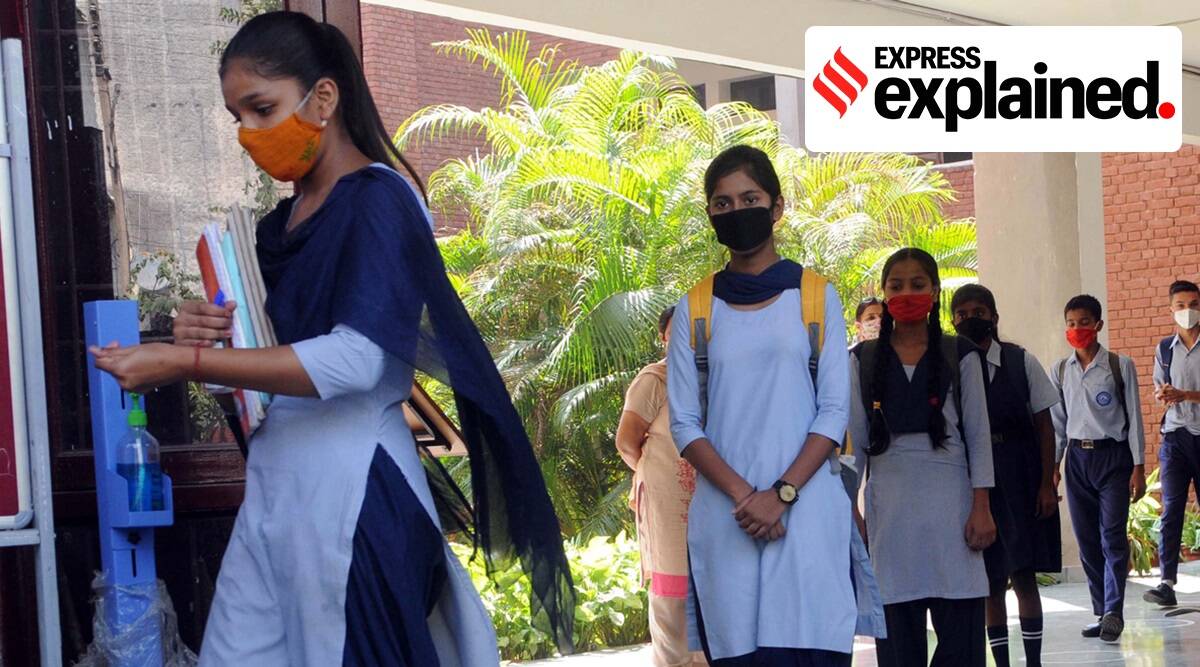
Over 70,000 CBSE students scored over 95%, up from 38,686 students in 2020. (Express Photo: Kamleshwar Singh, File)
Behind the unprecedented enrollment of Kerala students for undergraduate programmes in colleges under the University of Delhi is the board’s decision to support students against the backdrop of the pandemic. The board also decided to double the number of questions asked to help students score well.
Kerala director-general of education and examination commissioner Jeevan Babu K explained the reasons behind the results, which have created ripples in Delhi. “Against the backdrop of the pandemic situation, the examination was held in such a manner supportive to the students. In all subjects, we have identified focus areas and the exams were held based on those focus areas. Besides, the number of questions was doubled to enable students to gain maximum marks and scores,” he said.
The impact is apparent in the results. In 2021, as many as 502 students of the state board exam had full marks in Class XII and another 47,881 had scored above 90% with most of them above 95%. Last year, only 18,510 students of the state board had scores above 90% and of them, only 234 had full marks (1,200 out of 1,200). This year’s pass percentage was 87.94% as against 85.13% of 2020 and 84.33% of 2019.
To be sure, students from the Kerala board are not the only ones to have who have scored high marks this year. Over 70,000 CBSE students scored over 95%, up from 38,686 students in 2020.
The Kerala higher secondary directorate had held the class XII exam in the last academic year despite the challenges posed by the prevailing pandemic situation. As many as 3,73,788 students had appeared for the exam. Of them, 3,28,702 were eligible for higher education.
The DG said there is no point in making the result a controversy against the backdrop of students of Kerala exam board getting admission in a large number: “We have conducted classes for two months starting January and held the exams, both theory and practical. Many other state boards had not even conducted the exams but granted marks to students. When we conduct the exam during the pandemic, we can’t bring the same volume of toughness which we usually apply during an exam…”
According to sources, the state higher secondary directorate said a large number of students of the state exam board want to study arts and humanities subjects outside Kerala, particularly in Delhi, and also aspire to attend coaching classes for the civil services exam. By getting admission in a Delhi college, such students look forward to better academic and social exposure as well as to gain mastery over English. Whereas a good number of students of CBSE stream in Kerala opt for medical and engineering courses, sources said.
Story continues below this ad
Shamil V, who scored full marks in the Class XII exam from Subulussalam Higher Secondary School Moorkanad in Malappuram, got admission in DU’s Hindu College for the BA Sociology course. “It has been my dream to study in Delhi where I can better my language skills. I am also looking forward to studying for the civil service exams,” said Shamil, son of farmer Abdul Kareem. He said many of his friends from Malappuram, who scored above 95% in exam, have joined various colleges in Delhi.
Shaju Philip is a Senior Assistant Editor at The Indian Express, where he leads the publication's coverage from Kerala. With over 25 years of experience in mainstream journalism, he is one of the most authoritative voices on the socio-political, religious, and developmental landscape of South India.
Expertise, Experience, and Authority
Decades of Regional Specialization: Shaju has spent more than two decades documenting the "Kerala Model" of development, its complex communal dynamics, and its high-stakes political environment.
Key Coverage Beats: His extensive reporting portfolio includes:
Political & Governance Analysis: In-depth tracking of the LDF and UDF coalitions, the growth of the BJP in the state, and the intricate workings of the Kerala administration.
Crime & Investigative Journalism: Noted for his coverage of high-profile cases such as the gold smuggling probe, political killings, and the state’s counter-terrorism efforts regarding radicalization modules.
Crisis Management: He has led ground-level reporting during major regional crises, including the devastating 2018 floods, the Nipah virus outbreaks, and the Covid-19 pandemic response. ... Read More


 4 min read