5 min read


© The Indian Express Pvt Ltd



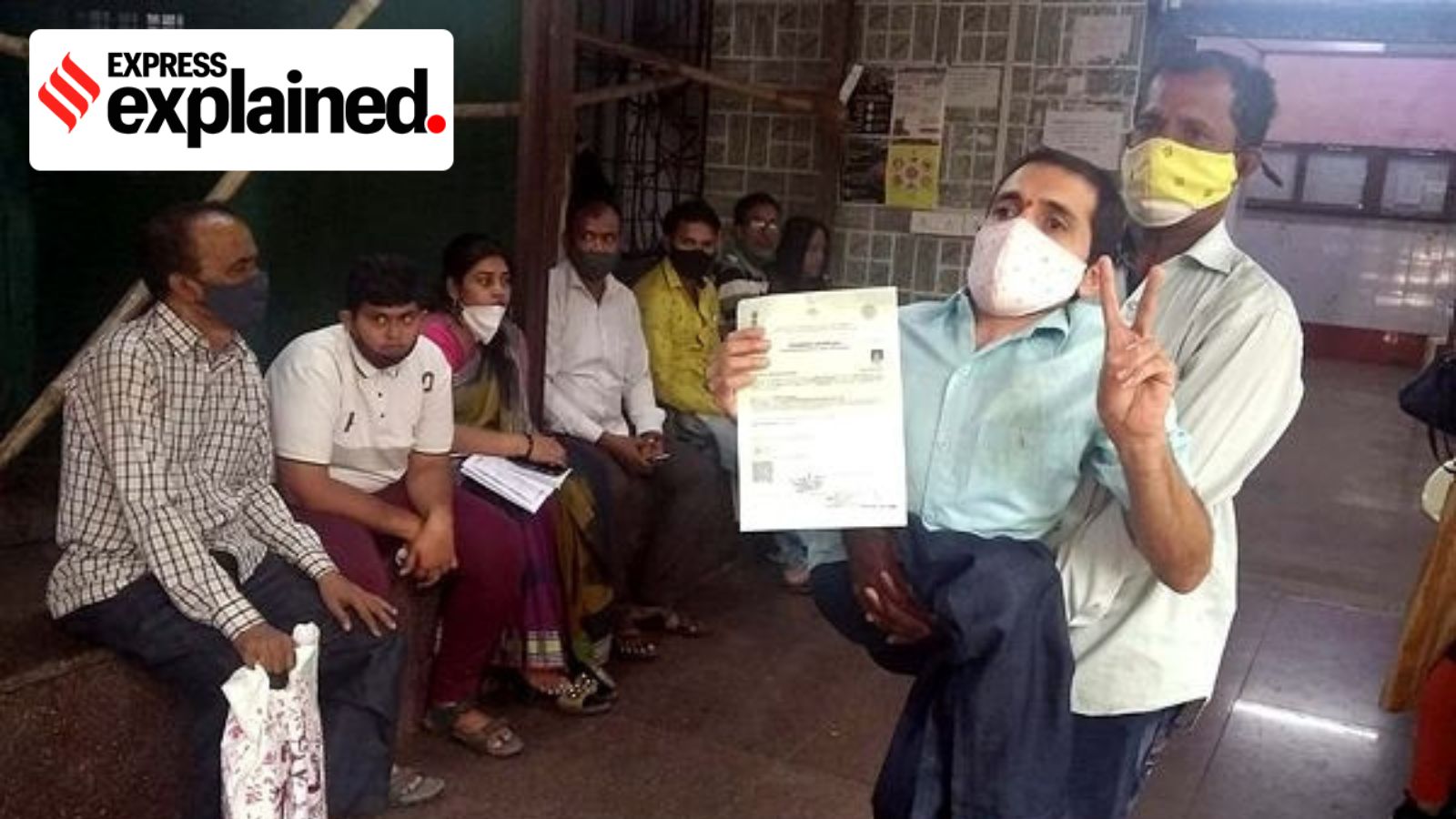 Certificates were distributed to persons with disabilities at Thane District Hospital on the occasion of World Disability Day, 2021. (Express File Photo - Deepak Joshi)
The government last week notified the Rights of Persons with Disabilities (Amendment) Rules, 2024 (RPwD Rules), introducing changes to the process of applying for and issuing disability certificates and unique disability identity cards (UDID).
The amendments have been made by the Department of Empowerment of Persons with Disabilities (DePWD) to tighten the application and vetting processes. Recently, IAS probationer Puja Khedkar was dismissed from service for allegedly forging her disability and caste certificate.
While government officials have said the changes in norms are to streamline the process, disability rights groups have called for their rollback, claiming they make the application process cumbersome.
The RPwD Amendment Rules have made changes in Rule 17 and Rule 18. Rule 17 relates to the mode of application, the authority to apply to, and the documents to be submitted. Rule 18 relates to the issuance of disability certificates and UDID cards once the applications are received, and the timeframe to issue them.
While the UDID portal already issues colour-coded cards on the basis of the extent of disability, the amended rules now specify that white, yellow and blue cards would be issued. White would for those with disability below 40 per cent, yellow for those with 40–80 per cent disability, and blue for those with disability of 80 per cent and above.
The severity of disability is examined using the government’s ‘assessment guidelines’, which were last updated in March. Twenty-one different kinds of disabilities and their extent or severity are assessed using these guidelines.
Under Rule 17 on the process of applications, one of the most important tweaks is that persons with disabilities have to submit their application through the UDID portal, and it has also given a statutory backing to UDID cards. In the earlier Rules, notified in 2017, there was no specific mention of submitting the applications only through the digital medium and also no specific mention of applications for UDID cards.
The application has to be made only to a “medical authority or any other notified competent medical authority” of the district where the applicant resides. The tweak is important, as the earlier version of the Rules did not stress the need to submit the application only to a “competent medical authority”.
Further, under Rule 17(2), the applicants have to now submit a proof of identity, and a photo not older than six months along with their Aadhaar number. Earlier, the applicant’s Aadhaar number along with proof of residence and two recent photographs was enough to make the application.
Under the rules on issuance, the certificate and UDID card can now be issued within three months as opposed to a month previously. Government officials have claimed that this change has been made following feedback from hospitals which examine persons with disabilities before issuing certificates.
Further, under the new rules, an application can be considered void if no decision is taken by the relevant medical authority for two years.
Various disability rights organisations and activists have criticised the amendments on the grounds that the tweaks put the onus of preventing forgeries on the applicants rather than the government.
For instance, the National Platform for the Rights of the Disabled (NPRD) pointed out that the insistence on submitting the applications only through the UDID portal is based on the assumption that the community is comfortable with digital media.
Regarding the requirement for a “notified competent medical authority”, activists said this takes away the assistance provided by independent medical experts associated with trusts and non-profits, who help medical boards during the process of certifying disability.
On the issue of giving a three-month period to authorities for issuing the certificates and UDID cards, activists said this would delay the process. Activists said there are instances when the certification is required on an urgent basis for educational applications or to seek reservation benefits. Providing a longer minimum window, they said, would stretch the process.
The NPRD said seeking additional supporting documents, such as photographs not older than six months, adds more burden on those with sensory and mobility issues and those who are in remote areas.