4 min read


© The Indian Express Pvt Ltd



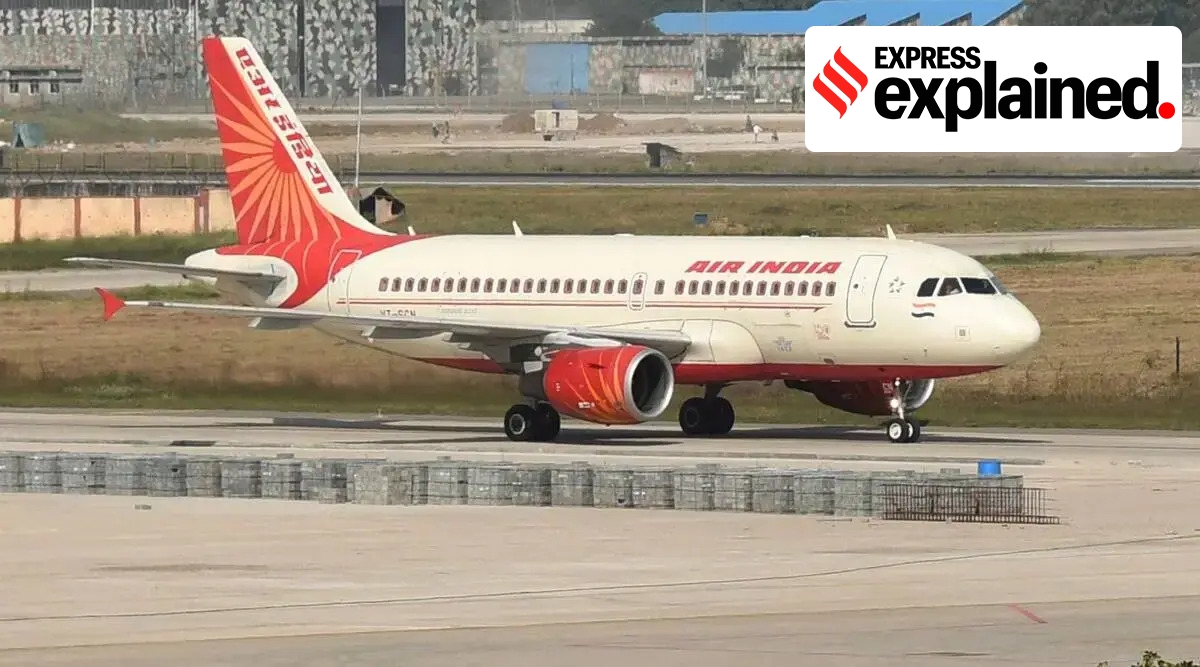 Over the past few months, there have been multiple cases of unruly behaviour on board aircraft due to inebriation, apart from incidents of mid-air brawls between passengers, physical assault on cabin crew members, and smoking on board, among others. (Express Photo/File)
 Aviation regulator Directorate General of Civil Aviation (DGCA) on Monday (April 10) issued an advisory to airlines highlighting their responsibilities and reiterating the provisions in place on the issue of dealing with unruly passengers. The advisory was issued on a day when an Air India Delhi-London flight had to return to Delhi airport shortly after take-off due to an errant passenger who allegedly assaulted to two members of the cabin crew.
The DGCA advisory comes amid a seemingly rising number of incidents of misbehaviour by passengers on board aircraft, which the regulator feels could potentially compromise safety of aircraft operations.
Over the past few months, there have been multiple cases of unruly behaviour on board aircraft due to inebriation, apart from incidents of mid-air brawls between passengers, physical assault on cabin crew members, and smoking on board, among others. The DGCA has been urging airlines to report such incidents and even penalised carriers and their concerned officials where it was found that incidents were not reported or facts were concealed.
The DGCA said that in the recent past, it has noticed incidents of smoking in aircraft, consumption of liquor resulting in unruly passenger behaviour, altercations between passengers, and also incidents of inappropriate touching or sexual harassment by passengers “wherein post holders, pilots and cabin crew members have failed to take appropriate actions”.
The regulator said that the responsibilities of airlines and their concerned officials, including pilots and cabin crew, are already specified under various provisions of Aircraft Rules 1937, DGCA regulations, and airlines’ circulars and manuals approved or accepted by the DGCA, and the norms should be followed.
The DGCA advised heads of operations of all airlines to sensitise pilots, cabin crew, and other concerned officials on handling unruly passengers. This should be done through means including but not limited to training programmes for ensuring “effective monitoring, maintenance of good order and discipline on board the aircraft so that safety of aircraft operations is not jeopardised in any manner”.
Firstly, airlines should inform passengers that in case their behaviour is deemed unruly as per guidelines, they could be arrested upon landing. The indicative classifications for unruly behaviour include: consuming liquor or drugs resulting in unruly behaviour, smoking, not obeying the pilot’s instructions, using threatening or abusive language against crew or other passengers, physically threatening and abusive behaviour, intentionally interfering with discharge of duties by the crew, and endangering the safety of the aircraft and those on board.
The regulator reiterated the protocols pilots, cabin crew, and other airline personnel should follow while handling such situations and the procedure to hand over the errant passenger to law enforcement agencies upon landing.
The DGCA said that airlines should categorise cases of unruly behaviour on board the aircraft into three categories for taking further action. These categories are:
Level 1: Unruly behaviour, including physical gestures, verbal harassment, and unruly inebriation.
Level 2: Physically abusive behaviour, including pushing, kicking, hitting, and grabbing or inappropriate touching or sexual harassment.
Level 3: Life-threatening behaviour, including damage to aircraft operating systems, physical violence such as choking, eye gouging, murderous assault, and attempted or actual breach of flight crew compartment.
On the basis of these classifications, the airline’s internal committee has to decide the duration for which the unruly passenger should be banned from flying.