2 min read
© The Indian Express Pvt Ltd



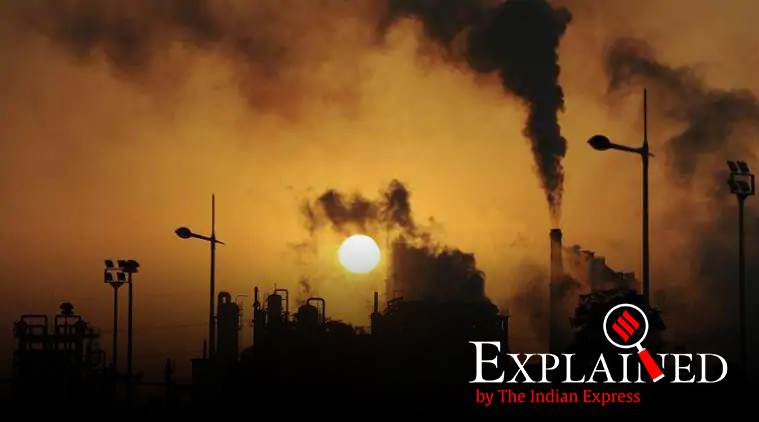 Lessons learned in containing Covid-19 — the need for early intervention, the curbing of some aspects of lifestyles — should also be at the heart of averting environmental catastrophe, they argue. (File Photo)
A new study argues that the spread of coronavirus shares common characteristics with two other crises — global heating and the impending “sixth mass extinction”. All three share features such as lagged impacts, feedback loops, and complex dynamics, scientists from the UK and US write in in the journal Current Biology.
The researchers make a case for learning lessons from Covid-19 and using these in fighting global heating and species extinction. Lessons learned in containing Covid-19 — the need for early intervention, the curbing of some aspects of lifestyles — should also be at the heart of averting environmental catastrophe, they argue.
Among the shared characteristics described, one is that each new Covid-19 case can spawn others and so lead to escalating infection rates — just as hotter climates alter ecosystems, increasing emissions of the greenhouse gases that cause warming. “Both are dangerous feedback loops,” the scientists argue.
The team also compares “lagged impacts”. For coronavirus, the duration or lag before symptoms materialise means that infected people spread the disease before they feel effects and change behaviour. The researchers equate this with the lag between our destruction of habitat and eventual species extinction, as well as lags between the emissions we pump out and the full effects of global heating, such as sea-level rise. As with viral infection, behaviour change may come too late, they note. —Source: University of Cambridge