


Stay updated with the latest - Click here to follow us on Instagram
Tags:


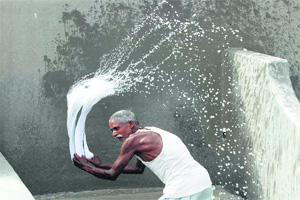
The once buzzing 150-year-old Ganjawala Dhobighaat at Malabar Hills now stands in a dilapidated state near the coastline with little hope of a renewed life. The 40 families of dhobis (washermen) who live in the adjoining Prakash Niwas,popularly known as Ganjawala Chawl,toil each day to make ends meet.
Now its mere existence for us until we wear out and our kids join a different profession, says 35-year-old Rakesh Pardesi whose five generations have been washermen in this Dhobighaat. For Pardesi,whose client list includes the Jindals and Ruias,working at Dhobighaat has been the only option since he was 14. I would not choose this for my kids, he says. We do not have much income. I cant spread my scale of business to bigger clients. All that needs investment which most of us cant afford, he adds. The competition is not helping either. I dont see for how long this can continue, says Ramesh,another resident. To have business on large scale we need to buy drier machines which cost Rs 40,000-50,000, he adds. In older days all the bigwigs would give them their clothes but now they have servants and machines,rues Pardesi.


While the washermen have a private well to wash clothes,the 40 families have to depend on the lone BMC tap available. We have been asking the BMC for another connection but to no avail. The one tap supplies water for two hours in the morning and we sometimes wash ourselves with the soapy water used for washing, says Ramesh.
But they have to work no matter what. We need to earn our everyday living however bad our condition may be,says a resident. No day is a holiday. Even if someone dies here they keep working, says Ranjit,another resident. At night may residents turn to alcohol to forget about lifes hassels.


Stay updated with the latest - Click here to follow us on Instagram


