Journalism of Courage



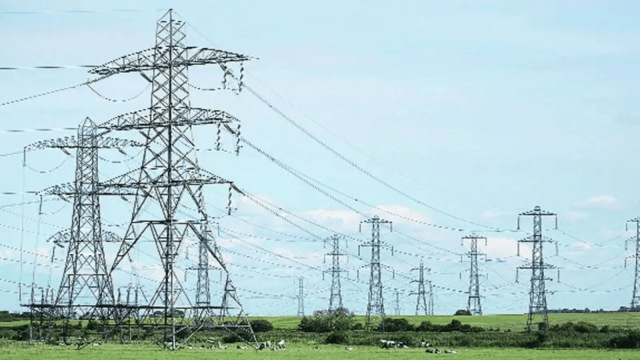 According to Desai, during the Ukraine-Russia war and change in royalty prices on coal in Indonesia, coal had become very costly and the state faced many difficulties. (File)
Electrification across rural India under the Rajiv Gandhi Grameen Vidyutikaran Yojana (RGGVY) led to a doubling of per capita monthly expenditure alongside a 10 per cent increase in the number of firms in large villages, a new study has found. However, in smaller villages of around 300 people, electrification under RGGVY launched in 2005 did not drive economic growth, according to the study conducted by the Energy Policy Institute at the University of Chicago.
In large villages with 2,000 or more people, electrification boosted per capita monthly expenditure by Rs 1,428 while the number of firms and firm employees increased by 10 and 9 per cent respectively. On the other hand, in small villages, electrification did not impact per capita expenditure nor the number of firms in any significant way.
Moreover, the study found that the benefits received from electrification far outweighed costs, with large villages recording a 33 per cent return on investment over 20 years. In contrast, no return on investment was registered in small villages.
The RGGVY was launched during UPA-1 to provide domestic and commercial access to electricity to below poverty line (BPL) families in more than 4 lakh rural villages across 27 states. Overall, the programme facilitated a 14 per cent increase in household grid connections, an 8 percent increase in electric lighting, and an 11 percent increase in electric fan adoption.
“It’s clear that electricity access boosts GDP at the national level, but does it necessarily improve the lives of those living in small communities? We found the answer to be ‘no,’” said co-author Fiona Burlig, an assistant professor at the University of Chicago.
“While we see large benefits to larger villages, bringing electricity access to the smallest, remote villages is expensive, and it doesn’t necessarily lift them out of poverty. It may well be much more cost-effective to do smaller solar home systems or minigrids in small, remote locations and expand the grid to the larger villages,” Burlig said.

 2 min read