


Stay updated with the latest - Click here to follow us on Instagram
Tags:


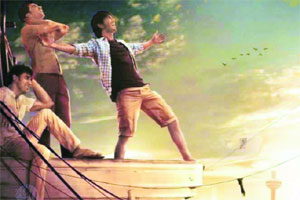
Chandigarh-born cinematographer Anay Goswami on how he landed behind the camera for Kai Po Che!
Growing up in Chandigarh,Anay Goswami was surrounded by art. Spools of world cinema,books on art,literature,history and culture,and cameras young Goswamis world was subconsciously being influenced and groomed. At 15,I knew I had to go to Film and Television Institute of India (FTII); it was on my agenda, says the award-winning cinematographer,who is being credited for giving Abhishek Kapoors Kai Po Che! a raw and rooted feel.


His fathers passion for photography rubbed off on him,but Goswamis greater goal was always to get into films. His short film Chabiwali Pocket Watch (directed by Vibhu Puri) won him his first award for cinematography in the Emerging Filmmakers section at the prestigious Cannes Film Festival. It was Indias official entry to student Oscars as well. In 2005,Chauras Chand,based on the life of poet Paash,made it to International Film Festival of India,Goa. While FTIIans would be looking for apprenticeship and struggling for work in Mumbai,Goswami says he was lucky as his short films got noticed,and before he knew it,filmmaker Aparna Sen brought him on board for The Japanese Wife. He bagged the Star Entertainment Award for Best Cinematography for the film,followed by No One Killed Jessica and Dil Kabbaddi.
Its been seven years now in the industry,and Goswamis eye for detail has been appreciated in Kai Po Che!. It took us several rounds of Gujarat to finalise locations,research the background and recreate the climax in a Rajasthan town called Sambhar, says Goswami. Not the first choice for Kai Po Che!,Goswami got the job when Kapoor realised that they both were on the same page. If the director is yin,cinematographer is yang in the relationship, he says.
It is difficult to give shape to someone elses vision,and while cinematography is hugely a technical process,Goswami enjoys it. Cinematography,he says,is not about beautiful images. It is storytelling through screenplay and camera,and cant distract you from the performances, he adds,comparing his profession to jazz. Cinematography is like jazz; it has to catch the rhythm of the actor and empower the performance.
He only wished that inematographers were better paid in India. In the meantime,there is a lot of work to look forward to.
Stay updated with the latest - Click here to follow us on Instagram


