Journalism of Courage



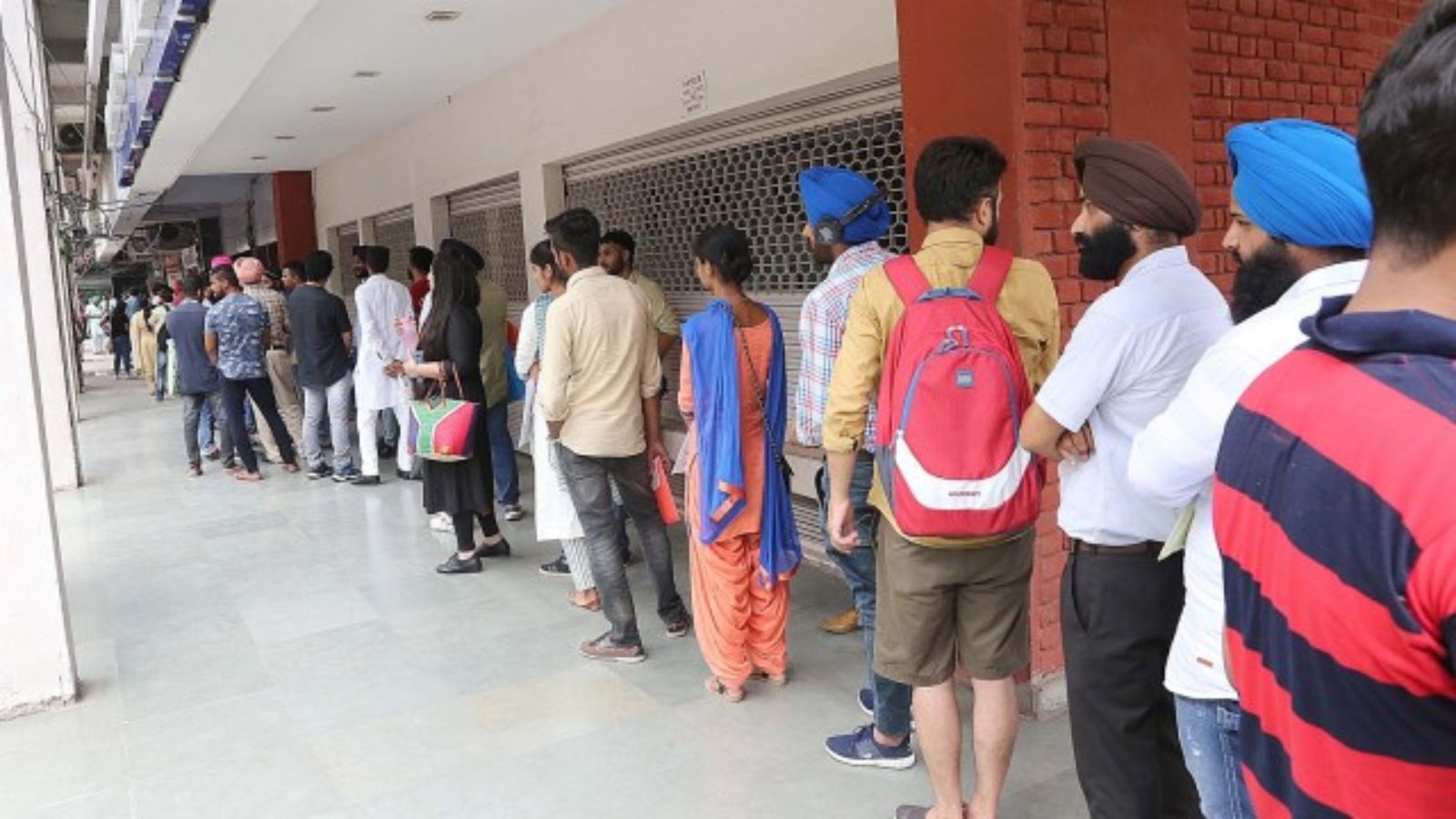 Experts attribute the practice of colleges issuing more offer letters than available seats to uncertainty about the number of students who will ultimately enroll. (Express File Image)
 Canada has announced to implementation of new measures to strengthen the country’s International Student Programme with an enhanced verification process aiming to protect prospective students from letter-of-acceptance (LOA) fraud. From December 1, 2023 onwards, the designated learning institutions (DLI) will be required to confirm every applicant’s LOA directly with the Immigration, Refugees and Citizenship Canada (IRCC) portal.
The measure is being implemented to avoid problems that some students faced earlier this year when after landing in Canada, they faced admission issues in the colleges (or DLIs) from where they had got the admission offer letters followed by LOA. Immigration and study visa experts says that problem can be avoided if students get enrolled in their preferred colleges or DLIs before leaving for Canada. Not doing so can lead to several potential complications, including deportation from the airport.
The process
Enrollment is critical to avoid harassment and uncertainty. Students who wish to study in Canada must follow a specific process. It begins with the issuance of an ‘offer letter’ followed by LOA by college after paying a token fee ranging from $100 to $250 — in some cases, a portion of the tuition fee, which can range from $2,500 to $5,000, is also required. Subsequently, students apply for a study visa. Upon obtaining the visa, students must inform their chosen institution and request enrollment in their intended intake, following their subject selection. If a student receives a visa in September or October and plans to commence studies in January, they should remain in regular contact with the institution until their January enrollment is confirmed. Only then should they book their travel tickets, according to experts.
LOA no guarantee of admission
It is vital to understand that an offer letter and LOA do not guarantee admission. Most of the institutions offer letters in excess of the available seats, and prioritize students who have officially enrolled. The first-come-first-serve principle is applicable here. Having an offer letter does not secure a place in the programme. Students can enter Canada on a study permit only up to four weeks before the start of their courses. Arriving without enrollment may complicate immigration procedure if they do not get admission in the coming intake. It renders them ineligible for employment, thereby creating financial challenges. Also they are treated akin to illegal immigrants if they wait for next intake, which would commence after four months.
The risk of deportation too is high. Canadian immigration authorities may scrutinize the intentions and eligibility of students students who arrive without confirmed enrollment, potentially leading to deportation or refusal of entry, experts say.
Tirath Singh of Pinnacle Education and Immigration, a visa consultancy firm, says, “Some of the students I assisted faced problems as some of them were deported from airport and those who arrived in Canada without enrollment faced refusal for the intended intake and ended up spending significant amount of money by enrolling in another college”.
Tirath Singh points out that approximately 10 per cent students, of around 2.25 to 2.26 lakh that go to Canada every year, face deferment of courses in the planned intake. If this deferment happens while they are still in India, they can wait for the next intake.
Why colleges defer courses, what next for students
Experts attribute the practice of colleges issuing more offer letters than available seats to uncertainty about the number of students who will ultimately enroll. Many students apply to multiple colleges where no tuition fee is demanded at the time of issuing LOA. Consequently, colleges follow a first-come, first-serve principle. Enrollment guarantees that a student’s seat in the college is confirmed.
If colleges defer courses, the students, who land in Canada without getting enrolled, are forced to seek admission in other colleges. This can lead to compromise in the quality of education and programme suitability for career goals, potentially impacting their academic experience and future prospects.
Furthermore, financial implications arise, including expenses for new courses in a different college, which can range from $10,000 to $15,000, placing a substantial burden on students and their families.
To avoid these potential problems, it is advisable for students to wait until they have received confirmed enrollment in their chosen institution. Students should diligently follow the guidelines provided by their institutions and Canadian immigration authorities for a successful and stress-free educational experience in Canada, say experts.

 4 min read