5 min read


© The Indian Express Pvt Ltd



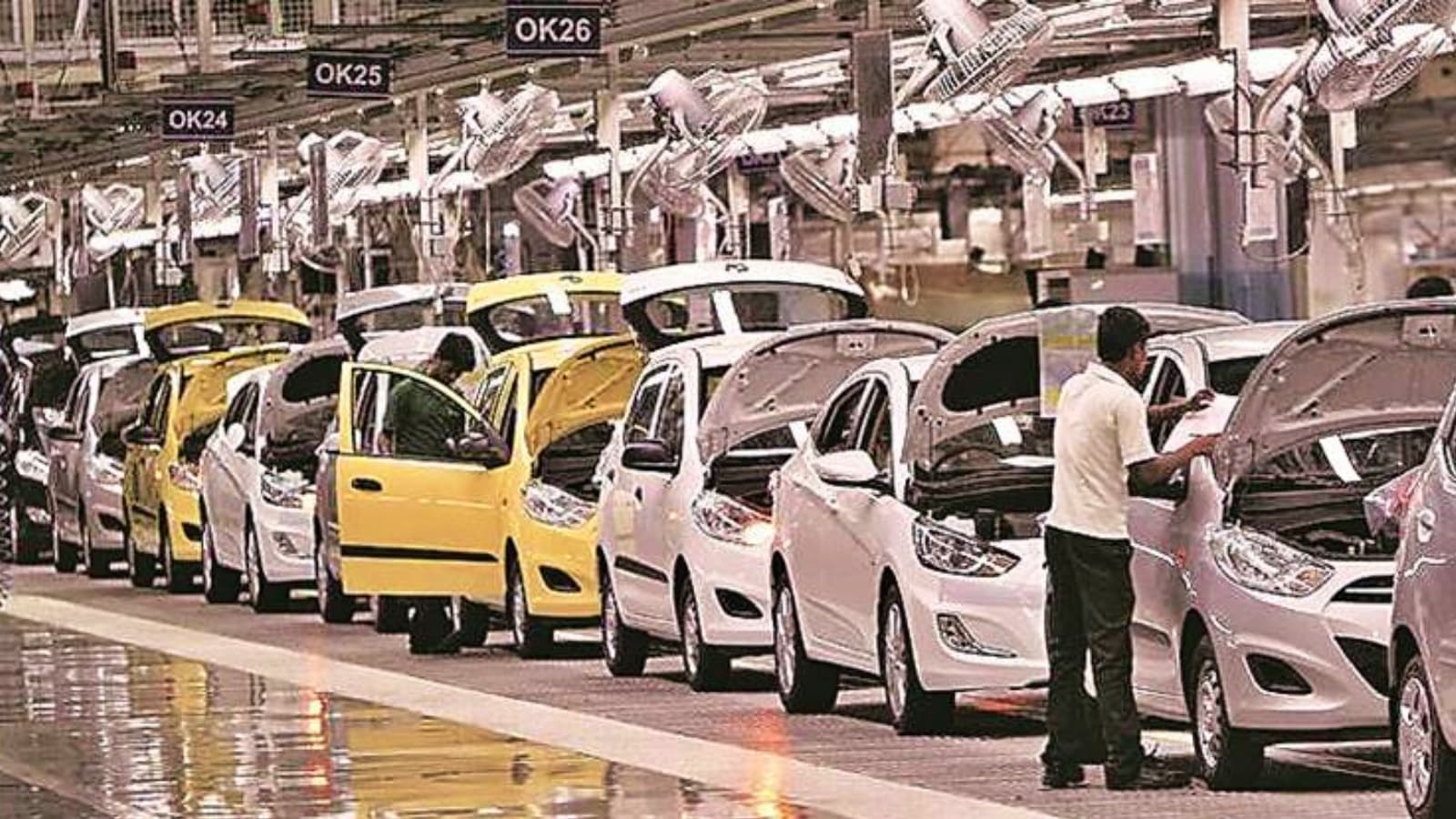 Until now, hybrid cars – which have a combination of an internal combustion engine and an electric motor – were subject to a GST of 28 per cent
GST Rate Cut For Cars and Bikes: Under the next-generation reforms to the Goods and Services Tax (GST) regime, cleared by the GST Council Wednesday, some of India’s best selling cars and motorcycles will see a reduction in tax incidence, which is expected to boost consumption in a sector which is seen as a crucial marker of the growth in the country’s economy.
The ‘GST 2,0’ reforms include a broad two-slab structure of 5 per cent and 18 per cent with a demerit rate of 40 per cent rate only for super luxury, sin and demerit goods. The aim is to lower tax burden on common people with sweeping rate cuts and reduction in GST slabs, ease blocked working capital, and facilitate ease of doing business with automated refunds and registration process.
Small cars, mini SUVs gain; bigger cars largely neutral
Small cars with engine capacity not exceeding 1200 cc (petrol) and 1500 cc (diesel) and with length not over 4 metres will now be in the 18 per cent slab, as opposed to the earlier 28 per cent slab. This means that popular hatchbacks like the Maruti Suzuki Wagon R, and mini SUVs like the Maruti Suzuki Fronx, Tata Punch and Skoda Kylaq will now be taxed at a lower rate. There is also going to be tax relief for motorcycles with engine capacity less than 350 cc and all automotive parts that will now be taxed at 18 per cent.
For petrol cars that have an engine capacity of more than 1200 cc, and diesel cars with an engine capacity of more than 1500 cc, and a length of over 4 metres, the GST rate now would be 40 per cent as against 28 per cent earlier. This segment includes some of the most popular cars in India, such as the Hyundai Creta and Toyota Fortuner.
Although, it is worth noting that while the GST on these cars will increase, the overall tax burden could be moderate because so far, these cars were subject to an additional compensation cess of 17-22 per cent, taking the total tax to 50 per cent in some cases. With the GST changes including removal of the compensation cess, the hike in base GST rate to 40 per cent will actually imply similar or slightly lower tax incidence for bigger SUVs.
“This decision will not only make vehicles more affordable across all segments, thereby boosting consumer demand, but it will also simplify the classification disputes that have long been a source of ambiguity for the industry. The discontinuance of the cess, in particular, will provide crucial support to a sector that is a vital engine of our nation’s economic growth,” said Saurabh Agarwal, Partner and Automotive Tax Leader, EY India.
Hybrids to get cheaper too
Until now, hybrid cars – which have a combination of an internal combustion engine and an electric motor – were subject to a GST of 28 per cent and compensation cess of 15 per cent, which makes the total applicable tax rate on these vehicles 43 per cent. But, with the rationalisation process, hybrid cars with an engine capacity of less than 1200 cc and a length shorter than 4 metres will attract a GST of 18 per cent, with the ones bigger than this category attracting a tax of 40 per cent.
In effect, this could push manufacturers to build smaller hybrid vehicles to take advantage of the tax benefits, and consumers are likely to purchase them due to the added advantage they offer on fuel savings. Maruti Suzuki, for instance, is learnt to be working on a hybrid version of its popular compact SUV Fronx.
In EVs, no differentiation between premium and common
The GST Council has decided to retain the concessional 5 per cent GST rate on electric vehicles (EVs), against earlier speculation that luxury end EVs could see an increase in taxes. This means domestic launches like Tata’s Harrier EV and Mahindra’s XEV 9e would be able to avoid price hikes, while imported models from companies like Tesla, Mercedes-Benz, Audi, BMW, and BYD will also stay within the same concessional bracket.
“The GST Council’s move to retain a low rate for EVs is a welcome step; this brings much-needed clarity and makes our portfolio more accessible to our discerning buyers. Such reforms help stabilise the business environment and help devise strategies that benefit all stakeholders in the best possible manner,” Balbir Singh Dhillon, Head of Audi India said in a statement to The Indian Express.
Due to initial expectation that luxury end EVs could be taxed under a higher bracket following the new reforms, EV sales in August registered a 155 per cent increase over last year, as people moved to buy the vehicles anticipating an increase in prices. Internal combustion engine powered passenger vehicle sales in August declined by over 7 per cent compared to last year, as people waited for the new rates to kick in, given that there was anticipation that such cars could be taxed lower.