2 min read
© IE Online Media Services Pvt Ltd



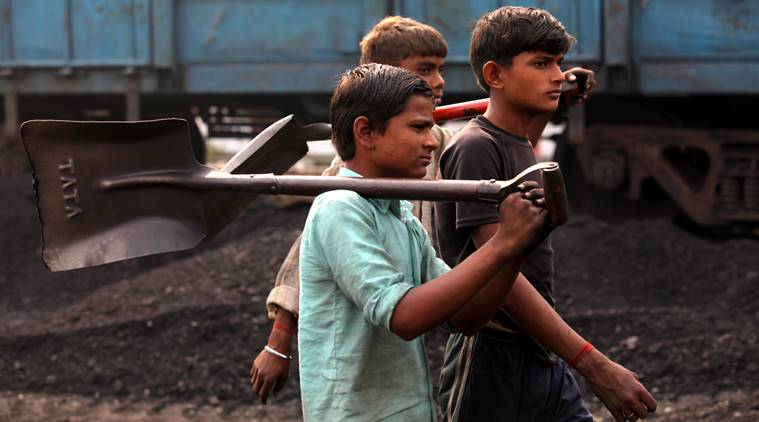 India will soon lead the third wave of economic growth in Asia, according to a report in Deloitte. (Express Photo/Ravi Kanojia/Representational)
After Japan and China, India is poised to lead the third wave of economic growth in Asia, according to a report published by Deloitte. The “three big levers of economic potential”, namely population, participation and productivity are set to surge in India ensuring that it “cements” Asia at the centre of the world’s economy and its growth. The first wave was led by Japan in the 1990s, and the second by China at the start of the century.
Today, India’s potential workforce consists of 885 million people. Over the next decade alone, India’s working age population will increase by 115 million people, accounting for more than half of the 225 million expected across the continent.
By 2050, the number will surge to 1.08 billion people — Japan’s was 90 million when it led the first wave of growth and China’s around a billion. India’s workforce will remain above a billion people for half a century, according to the report, while Japan’s will shrink by over 5 million people, and China’s by at least 21 million. Further, India’s workforce will be better trained and educated, will see an increased share of women, and the ability and interest in working longer, the report adds.
The report, however, noted that India’s growth will not determine its wealth. “‘Getting richer’ isn’t guaranteed. India needs the right institutional set-up to promote and sustain its growth. Otherwise its rising population could cause increasing unemployment and consequent social unrest,” it stated.
The Deloitte report also stated that it is important to ensure more women join the labour market. Over the last decade, participation by women has fallen from 37 to 27 per cent, a trend that has been witnessed in China, Indonesia, Korea, Thailand, the Philippines and Japan as well. “However, female participation in India is significantly below the rates in all these countries, meaning there is far greater economic potential that could be unlocked,” the report said.