6 min read
© IE Online Media Services Pvt Ltd



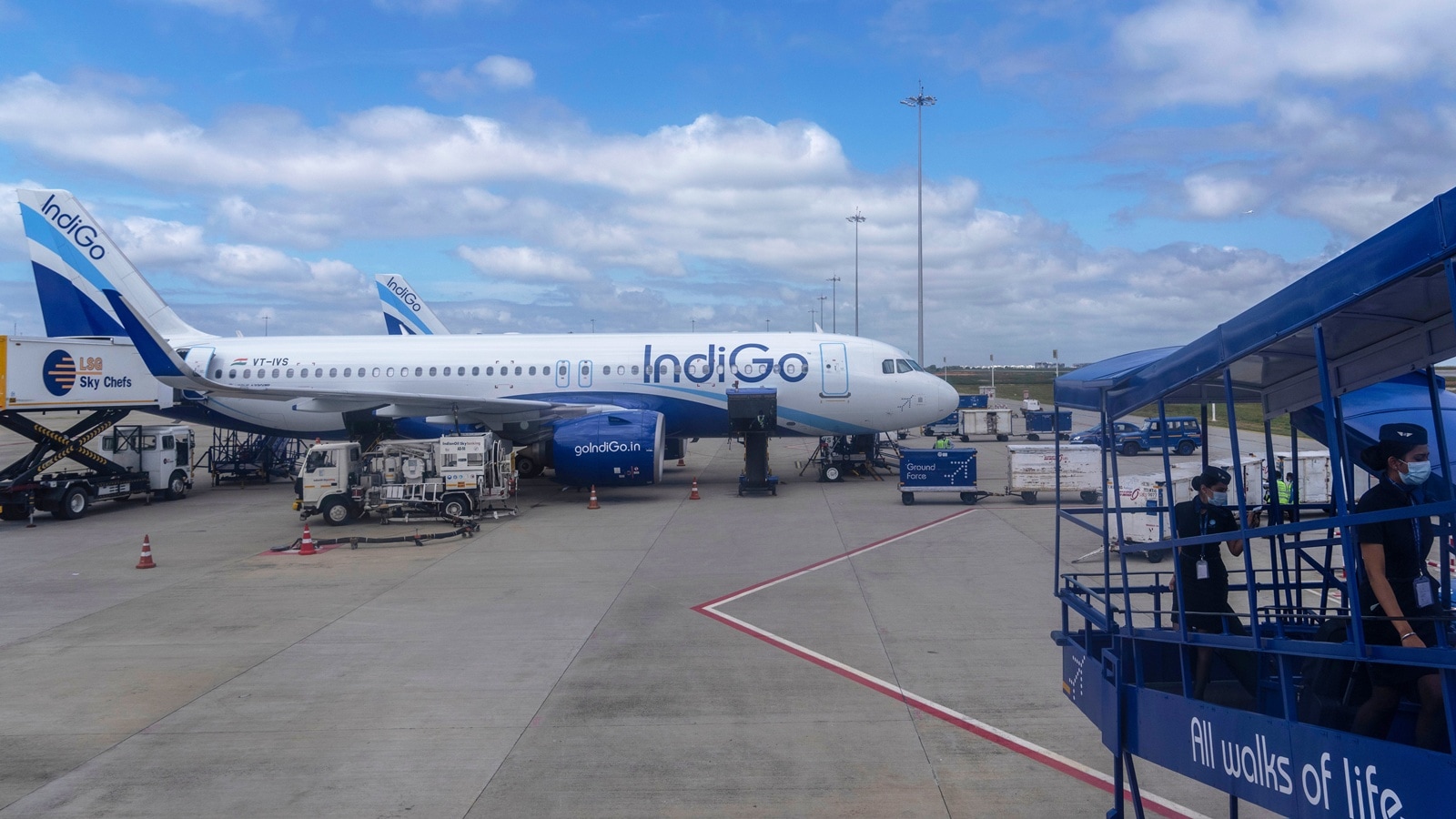 IndiGo was hit by a massive staff crunch after the DGCA had issued its order regulating working hours (Representative image).
The Directorate General of Civil Aviation (DGCA) Friday withdrew its instructions to all operators regarding the weekly rest for crew members. The fresh notification comes amid the pilot and crew crunch that has left thousands of IndiGo passengers stranded. The DGCA notification reads: “In view of the ongoing operational disruptions and representations received from various airlines regarding the need to ensure continuity and stability of operations…the instruction contained in the referenced paragraph that no leave shall be substituted for weekly rest is hereby withdrawn with immediate effect.”
The DGCA’s relief came after IndiGo sought relaxations for two months.
IndiGo has been grappling with a wave of cancellations and delays. Thousands of passengers have been left stranded or facing long waits. The disruption at India’s largest carrier — which commands over 60% of the domestic market — stems mainly from crew shortages triggered by the rollout of the new Flight Duty Time Limitation (FDTL) norms.
On Friday, too, nearly 500 scheduled flights were estimated to have been cancelled. Additionally, all domestic departures till midnight from Delhi — IndiGo’s largest hub — were cancelled.
IndiGo said its operations will be fully normal by February 10. The DGCA also said IndiGo is working to improve crew rostering in line with the rules, strengthen coordination with ATC and airports, and enhance its turnaround processes and disruption-handling mechanisms.
The second and final stage of these revised duty and rest rules took effect last month, and the airline appears to have been caught off guard.
Check updates on the disruptions and flight delays in the aviation sector here.
On Wednesday, December 3, only 19.7% of IndiGo’s flights departed on time, down from 35% the previous day and roughly 50% on Monday.
Airports across the country have borne the brunt of the chaos. Social media has been flooded with complaints as passengers reported extended delays, abrupt cancellations, and last-minute switches to costlier flights on other airlines.
IndiGo issued an apology and began “calibrated adjustments” to its network, which include selectively rescheduling and cancelling flights to stabilise operations in line with available crew. The Directorate General of Civil Aviation (DGCA) also intervened, asking the airline to submit details explaining the disruption and outline the steps being taken to fix it.
Although the new FDTL norms are applicable to all carriers, IndiGo has been far more heavily affected. Industry sources attribute this to its vast scale, dense flight network, large number of late-night services, and a business model built around high utilisation of aircraft and crew.
Other Indian airlines are currently operating below optimal aircraft utilisation levels due to issues such as delays in new aircraft deliveries and grounded planes undergoing modifications. As a result, they have relatively greater flexibility in crew rostering.
The revised norms increase pilots’ weekly rest requirement from 36 hours to 48 and reduce the number of permitted night landings from six to two. The expanded definition of night hours has added further constraints. These changes, introduced to address pilot fatigue and improve safety, have had a significant impact on IndiGo’s scheduling.
The rules were initially slated for implementation in June 2024, but airlines, including IndiGo, sought a delay, arguing that they needed more time to hire additional crew. After the Delhi High Court directed the DGCA to go ahead, the norms were introduced in two phases in July and November.
IndiGo navigated the first phase with minimal disruption. However, the second phase, which curtails crew utilisation on overnight flights, has hit the carrier particularly hard. IndiGo’s reliance on high-frequency operations, lean staffing, and a large volume of night flights has left little room for error.
With over 400 aircraft operating more than 2,300 flights a day across 90 domestic and 45 international destinations, even a 10% cancellation rate translates to more than 230 scrapped flights — a scale unmatched by any other Indian airline. For comparison, the Air India group operates fewer than half as many flights.
According to the DGCA, the airline recorded 1,232 cancellations in November. Of these, 755 were linked to crew and FDTL constraints, 258 stemmed from airspace and airport restrictions, 92 were caused by air traffic control system failures, and 127 were due to other operational issues. IndiGo’s on-time performance dropped to 67.7% in November from 84.1% in October, and has fallen sharply again in early December.
The airline said on Wednesday that a mix of “unforeseen operational challenges” had disrupted operations. These include minor technology issues, winter schedule adjustments, weather-related constraints, increased congestion in the aviation system, and the complete enforcement of the new duty-time norms.
Pilot unions have alleged that the carrier failed to prepare adequately for the new FDTL norms despite having ample lead time. The Airline Pilots’ Association of India (ALPA) said the flight disruptions highlight poor planning by major airlines and hinted that the situation may be used to pressure regulators into softening the rules.
The Federation of Indian Pilots (FIP) said the turmoil stems from IndiGo’s “prolonged and unorthodox lean manpower strategy”, particularly in flight operations. The organisation also suggested that delays and cancellations could be exploited to influence regulatory decisions.
According to the FIP, IndiGo imposed a hiring freeze, entered non-poaching agreements, and maintained pilot pay freezes despite a two-year window to prepare for the transition. It claimed that the airline reduced pilot leave after the first phase rollout in July and attempted to buy back leave after the second phase, further damaging morale — even as senior executives received significant pay hikes.
Both unions have urged the DGCA to approve seasonal schedules only after airlines demonstrate adequate pilot strength under the new norms, rather than relying on historical slot usage.
The FIP added that if IndiGo continues to face operational issues due to staffing choices, the regulator should consider reallocating its airport slots to carriers such as Air India and Akasa Air, which can operate without disruption during the peak travel and fog season.