© The Indian Express Pvt Ltd
 4 min read


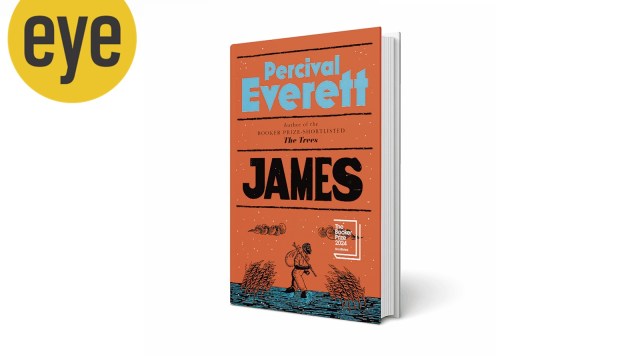 James is different from Twain’s novel because the world we see is now from a different pair of eyes: that of a Black man who feels socially inferior and desperately seeks freedom from it. (Source: Amazon)
James is the second Percival Everett novel to find a place in the Booker Prize shortlists. The first, The Trees, an intelligently crafted crime novel about murders in a small Mississippi town, made it in 2022. Provocative and humourous, The Trees’s exploration of racism and lynching in American society, in more than 100 short chapters, is an outstanding literary achievement.
James is a reimagining of Mark Twain’s 19th-century classic Adventures of Huckleberry Finn, arguably considered one of the greatest American novels ever written. Ernest Hemingway famously said in 1935 that all “modern American literature comes from one book by Mark Twain called Huckleberry Finn… It’s the best book we’ve had.” James, the outcome of Everett’s gutsy decision to retell the story, is eminently readable, with a new perspective.
James is different from Twain’s novel because the world we see is now from a different pair of eyes: that of a Black man who feels socially inferior and desperately seeks freedom from it. Everett’s approach lets him examine racism, slavery and the unfair gift of freedom to one privileged section of society. The author’s prose is simple but delightfully descriptive and his picturesque characterisation makes the story come alive.
James, or Jim, is at the centre of the book. He is a caring father and husband, and he reads books by sneaking into a library when its owner, Judge Thatcher, is “out at work or hunting ducks.” After all, a man like him is not expected to read and write. He lives in a racist society where the Blacks cannot let go of their fear — of getting whipped, sold as slaves, or even killed. They speak in incorrect English in front of their White tormentors. A fellow Black’s act of stealing a pencil has a shocking consequence. Everett’s unsettling portrayal of the Black experience is a reminder that racism is a continuing reality. Equality is necessary but an unfulfilled dream.
James escapes after overhearing that he will be sold soon, so he undertakes an eventful journey with Huckleberry Finn, a white boy with a drunkard father who has faked his death. The duo meet on Jackson Island, comes across con artists the King and the Duke and many other characters and situations — and even a steamboat, a reminder of Twain’s life as a steamboat pilot.
James has read a lot secretly — and seriously. There is a clever nod to Truman Capote’s novella Breakfast at Tiffany’s. James says the surname he’d choose for himself is Golightly, which is also the surname of Holly, the protagonist of Capote’s work. French philosophers also make an appearance. Voltaire, in a delirious state, tells James, “Like Montesquieu, I think we are all equal, regardless of color, language or habit.” Strangely, however, he also believes that there is “the presence” of “the devil” in “African humans,” a contradiction that annoys James. He has an imaginary conversation with English philosopher John Locke when he is in danger. James says, “When does the war end?” Locke replies, “Does it end? That’s the question. Who gets to say that it’s over? A war continues until the victor says it is over.” When a White man discovers James is well-read, he exclaims, “My God, what in the world is going on?” James replies, “Call it progress.”
The protagonist is a Twain creation but acquires a brilliantly developed identity in Everett’s novel. A curious White boy, Huck is present, no doubt, but the story is about the enslaved man. Long after James ends, we remember who he is.