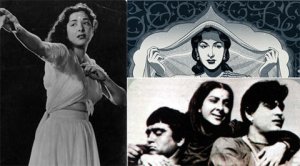
Nargis Dutt: A Cinematic Icon and Humanitarian Nargis Dutt (1929-1981), née Fatima Rashid, remains an iconic figure in Indian cinema, celebrated for her versatility and powerful portrayals of sophisticated, independent women. Her career, spanning three decades, showcased her range across genres, from screwball comedies to literary dramas. While her screen debut was a minor role in Talash-E-Haq (1935), her journey to stardom began with Tamanna (1942) and solidified with leading roles in Taqdeer (1943), Andaz (1949), and Barsaat (1949). Her breakthrough came with Raj Kapoor's Awaara (1951), a critical and commercial triumph. Following a brief period of fewer prominent roles, Nargis returned with memorable performances in Shree 420 (1955) and Chori Chori (1956). Her portrayal of Radha in Mehboob Khan's Mother India (1957), then the highest-grossing Indian film, earned her the Filmfare Best Actress Award and cemented her legendary status. This role is widely considered her most iconic. She won the inaugural National Film Award for Best Actress for her final film, Raat Aur Din (1967). Beyond acting, Nargis's legacy extends to her humanitarian work. She was the first patron of The Spastic Society of India and received a
Rajya Sabha nomination in 1980. Her marriage to Sunil Dutt, her co-star in Mother India, resulted in three children, including actor Sanjay Dutt. Post her death from pancreatic cancer in 1981, the Nargis Dutt Memorial Cancer Foundation was established, and the annual Nargis Dutt Award for Best Feature Film on National Integration commemorates her enduring contributions to Indian society and cinema. Numerous polls and publications have consistently ranked her among the greatest Indian actresses of all time.


 Image Source : Wikipedia